IT cost reduction strategies are becoming essential as IT costs climb, driven by cloud expansion, rising security needs, and endless SaaS tools. Cutting spend isn’t about slashing budgets blindly; it’s about making systems leaner, smarter, and more efficient. Done right, IT cost reduction frees resources for innovation and fuels sustainable growth.
Open with a relatable pain point: skyrocketing IT costs, wasted resources, and pressure to “do more with less.” Then pivot to the solution, strategic IT cost reduction that fuels sustainable business growth rather than just cutting expenses.
Key Takeaways
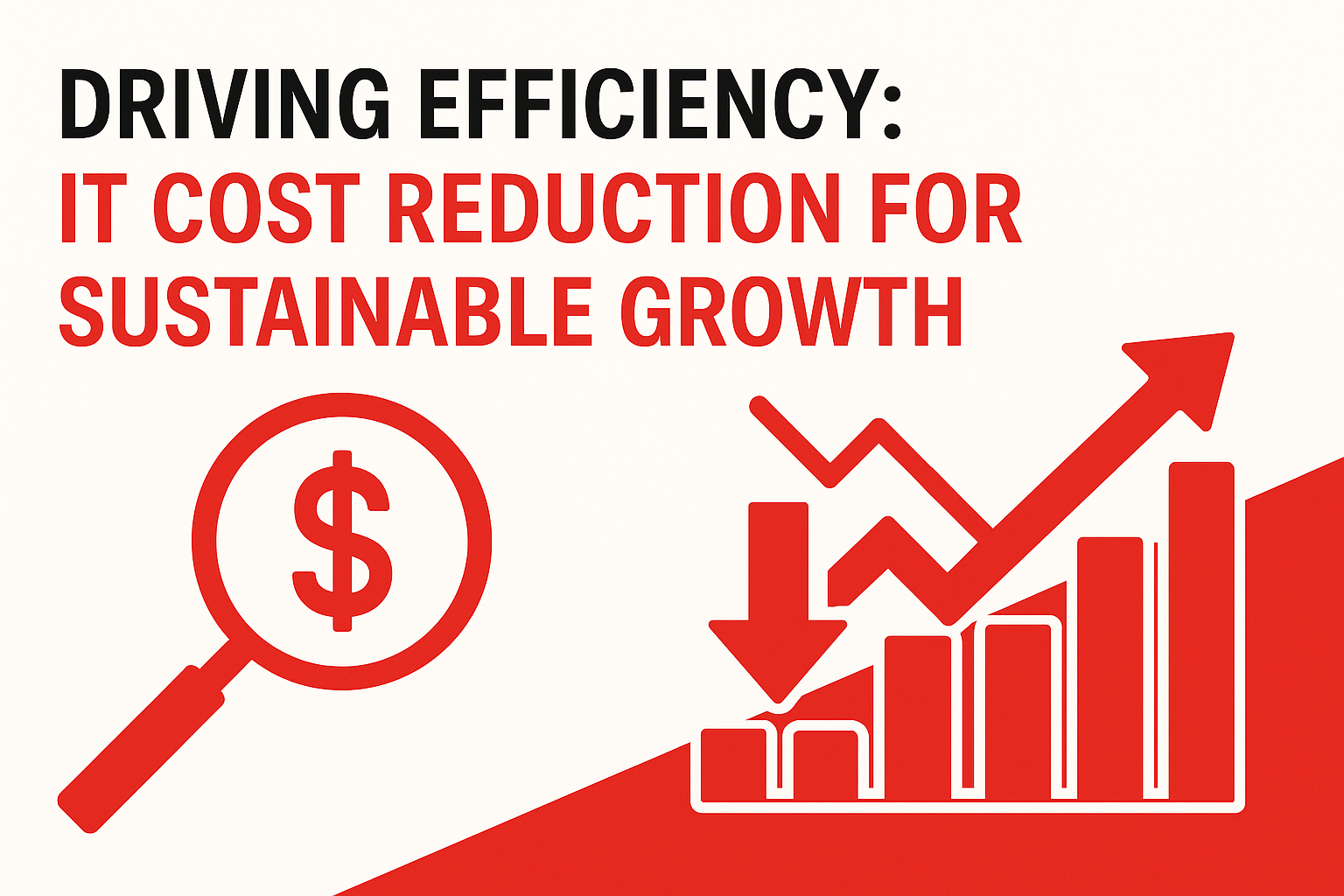
- Efficiency over cuts – IT cost reduction isn’t about doing less, it’s about streamlining systems to do more with fewer resources.
- Cloud optimization is crucial – Rightsizing and automating cloud usage can eliminate waste and significantly reduce spend.
- Consolidation drives clarity – Removing redundant tools and vendors simplifies operations and lowers costs.
- Security saves money – Proactive cybersecurity prevents costly breaches and compliance penalties.
- Sustainability supports growth – Smart IT savings free capital that can be reinvested in innovation and long-term business expansion.
Why IT Cost Reduction Matters in 2025 and Beyond
- Rising IT spend on cloud, security, and SaaS subscriptions.
- The balance between cost-cutting and innovation.
- Sustainable growth: freeing up capital for innovation, not just saving money.
Common IT Cost Drains That Hurt Growth
- Overprovisioned cloud resources – paying for unused capacity.
- Redundant SaaS tools – multiple platforms doing the same job.
- Legacy systems – high maintenance costs, low efficiency.
- Inefficient licensing – unused or mismanaged software licenses.
- Reactive IT support – downtime and unplanned fixes adding up.
Core Principles of Smart IT Cost Reduction
Visibility First: Knowing Where the Money Goes
- Importance of IT spend audits.
- Using analytics tools to identify waste.
Consolidation Without Compromise
- Streamlining vendors and SaaS platforms.
- Moving toward integrated ecosystems.
Automation and Cloud Optimization
- Scaling cloud resources up/down with demand.
- Automating manual processes for productivity gains.
Security-First Savings
- How proactive cybersecurity prevents costly breaches.
- Compliance as a cost saver, not an expense.
IT Cost Reduction Strategies That Drive Growth
- Cloud FinOps (Financial Operations) – monitoring usage to align spend with value.
- IT Asset Management (ITAM) – lifecycle management for hardware/software.
- Hybrid Work Optimization – secure, cost-effective remote collaboration tools.
- Outsourced IT Support / Managed Services – predictable costs, expert help.
- Green IT Practices – energy-efficient infrastructure that reduces bills and supports ESG goals.
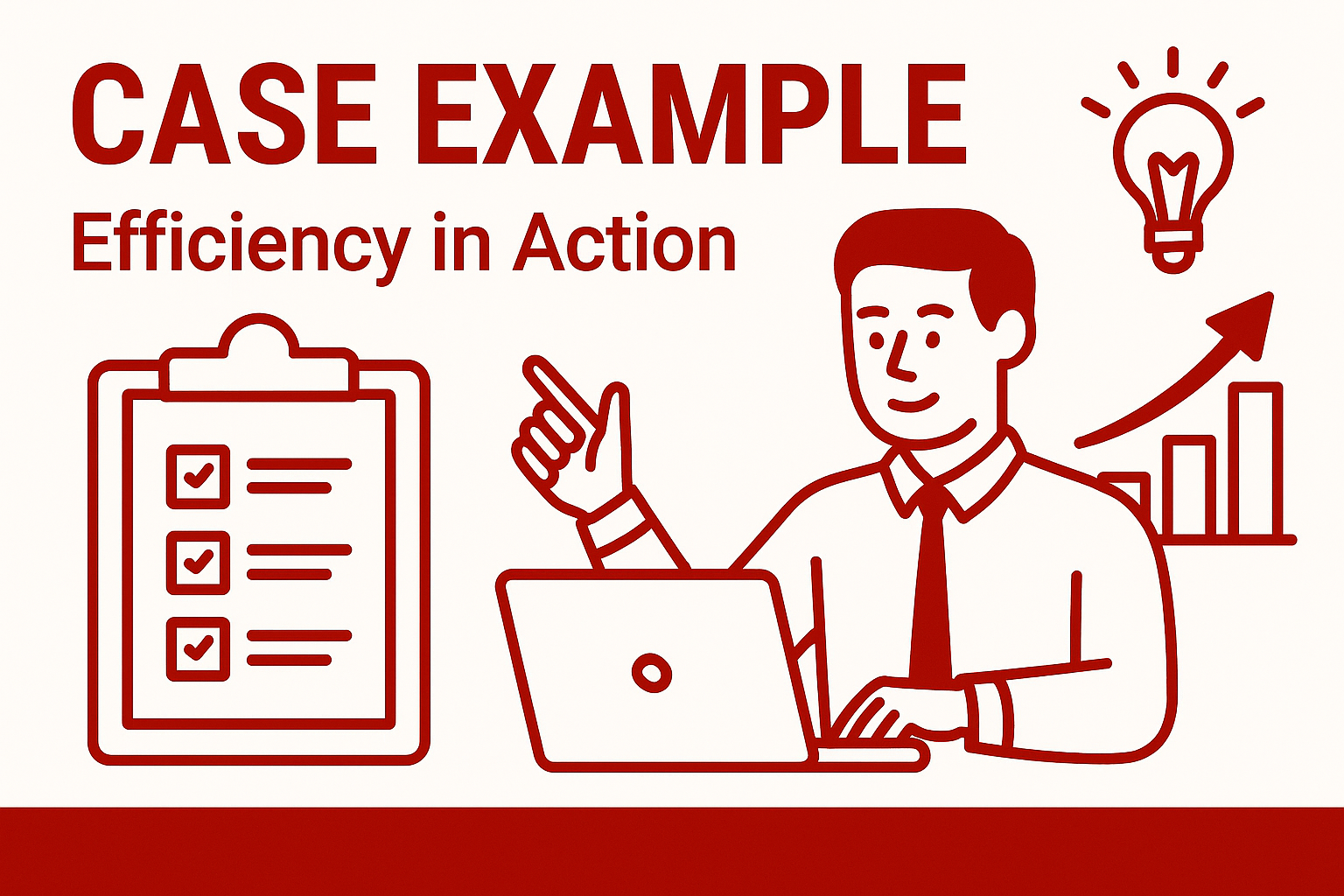
Case Example: Efficiency in Action
A short story/example: “A mid-sized retailer cut cloud costs by 30% while improving system performance by implementing automation and consolidating SaaS platforms.”
Measuring the ROI of IT Cost Reduction
- Financial impact: reduced operating expenses.
- Productivity gains: faster systems, fewer delays.
- Innovation opportunities: reinvesting savings into new tech.
- Long-term sustainability: growth that doesn’t rely on overspending.
Pitfalls to Avoid in IT Cost Reduction
- Cutting essential cybersecurity budgets.
- Sacrificing innovation for short-term savings.
- Vendor lock-in with “too-good-to-be-true” pricing.
The Future of IT Efficiency
- AI-driven IT cost optimization.
- Cloud-native cost governance.
- Rise of pay-per-use IT models.
- Sustainable IT as a differentiator.
Conclusion
Wrap up by emphasizing that IT cost reduction is not about doing less, but doing better. Efficiency frees resources to invest in innovation, security, and scalability, paving the way for sustainable growth. Learn more about IT cost reduction services that can help your business achieve these goals.
FAQ
What does IT cost reduction really mean?
IT cost reduction is not just about cutting budgets; it starts with IT cost reduction strategies that remove waste. It’s about eliminating waste, streamlining systems, and making IT investments deliver more value for the business.
How can IT cost reduction support business growth?
By lowering unnecessary spend on tools, infrastructure, or licenses, businesses free up resources that can be reinvested into innovation, security, and scalability—fueling long-term growth.
What are the most common sources of IT overspending?
Typical cost drains include unused cloud capacity, redundant SaaS tools, legacy system maintenance, and underutilized software licenses.