Healthcare technology has come a long way, transforming the way medical professionals deliver care and how patients experience it. From basic diagnostic tools to advanced artificial intelligence, the journey of innovation has reshaped the healthcare landscape.
In today’s fast-paced world, keeping up with the latest healthcare technology trends is no longer optional. It’s essential for improving patient care, streamlining operations, and staying ahead in a competitive industry.
Ready to discover how these trends can enhance your healthcare services? Let’s dive in!
The Rise of Telemedicine
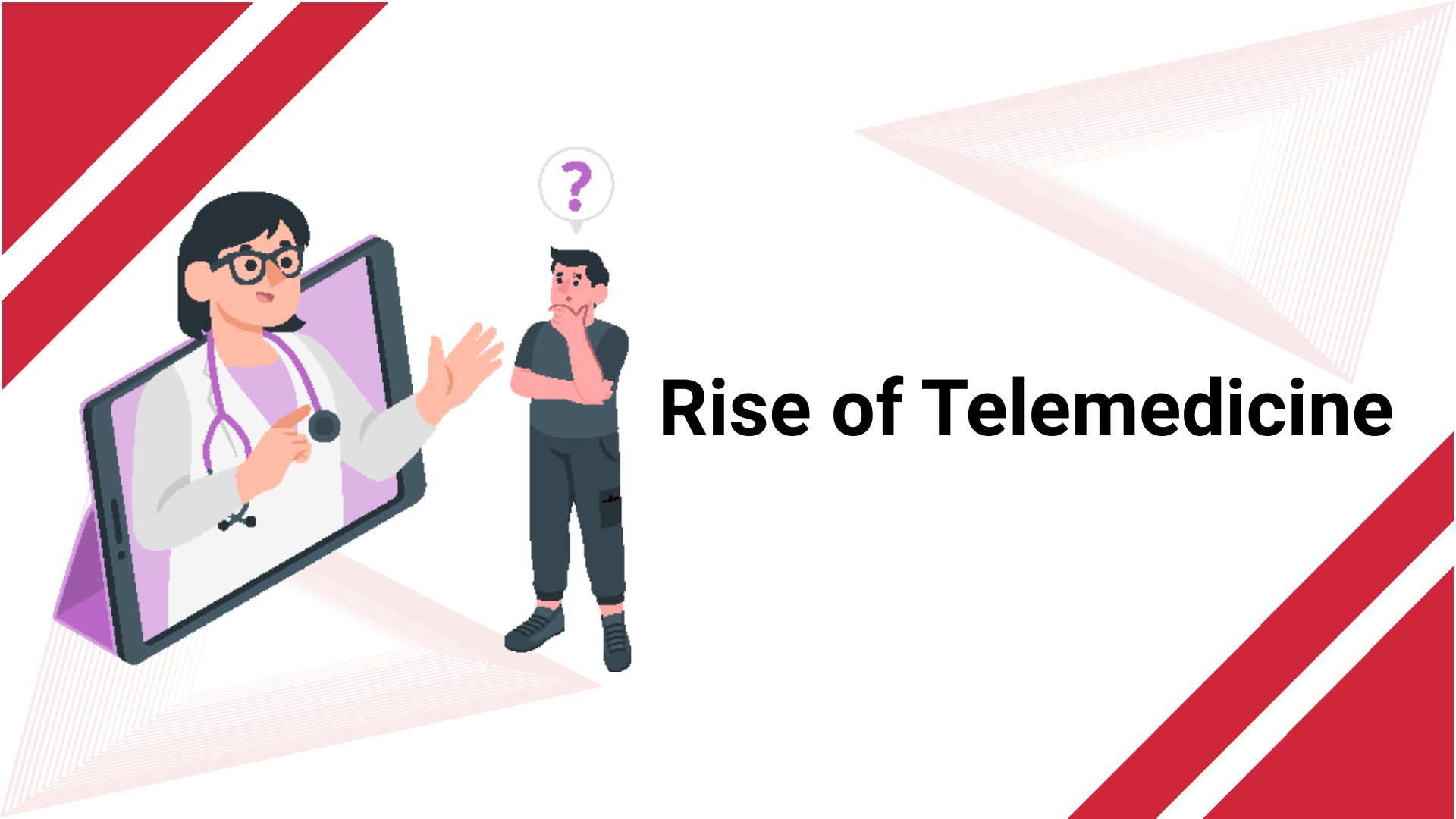
Telemedicine, simply put, is the use of technology to deliver healthcare remotely. It enables doctors and patients to connect through video calls, apps, or online platforms, making healthcare accessible without needing a physical visit.
Since the COVID-19 pandemic, telemedicine has seen unprecedented growth. According to a report by McKinsey, telehealth usage surged by 38 times compared to pre-pandemic levels. In fact, in 2023, 76% of U.S. hospitals now use telemedicine in some capacity, showcasing its widespread adoption.
The benefits of telemedicine are significant for both patients and healthcare providers:
- For patients: It reduces travel time, lowers healthcare costs, and makes expert consultations accessible to those in remote areas.
- For healthcare providers: It minimizes overhead costs, allows for more flexible scheduling, and ensures continuity of care even during emergencies.
Telemedicine isn’t just a convenience—it’s a transformative shift in the way healthcare is delivered.
AI and Machine Learning in Diagnosis and Treatment
Artificial intelligence (AI) and machine learning are revolutionizing healthcare, making diagnosis and treatment faster and more precise. These technologies analyze vast amounts of medical data, identifying patterns that even skilled professionals might miss.
AI in Diagnosing Diseases
AI-powered tools like imaging analysis software can detect conditions like cancer, heart disease, and neurological disorders with incredible accuracy. For instance, AI algorithms can identify early-stage breast cancer in mammograms with a higher precision rate than traditional methods, potentially saving countless lives through early intervention.
Machine Learning and Personalized Medicine
Machine learning goes a step further by enabling personalized treatment plans. By analyzing a patient’s genetic makeup, lifestyle, and medical history, machine learning systems recommend tailored therapies, ensuring better outcomes with fewer side effects. For example, in oncology, machine learning can suggest the most effective drug combinations for a specific type of cancer.
Wearable Health Technology

Wearable health technology has become a game-changer in personal healthcare management. Devices like fitness trackers, smartwatches, and medical-grade wearables are helping individuals monitor their health in real-time, offering valuable insights into their overall well-being.
Current Technologies
Today’s market features a range of devices that measure vital signs like heart rate, blood pressure, and blood oxygen levels. Advanced wearables, such as continuous glucose monitors for diabetes or ECG-enabled smartwatches, have taken this technology to new heights, enabling early detection of potential health issues.
Impact on Patient Outcomes
Research shows that wearable technology significantly improves patient outcomes. According to a study by Deloitte, wearables can lead to a 20% reduction in hospital readmissions for patients with chronic diseases. By providing continuous monitoring and instant alerts for anomalies, these devices empower patients to take proactive steps, reducing complications and improving quality of life.
Blockchain for Health Data Security
Blockchain technology is reshaping how medical data is stored and shared, offering unparalleled security and transparency. At its core, blockchain is a decentralized digital ledger that records transactions across multiple systems, ensuring that the data is secure, immutable, and accessible only to authorized users.
How Blockchain Works in Healthcare
In healthcare, blockchain creates a secure environment for storing sensitive medical records. Every data entry is encrypted, time-stamped, and added to a block, which is then linked to the previous one, forming a secure chain. This eliminates risks of data breaches and unauthorized access, a significant concern in today’s digital age.
Advantages of Blockchain in Medical Records
- Enhanced Security: Blockchain ensures data cannot be altered or deleted, making it highly secure against cyberattacks.
- Improved Interoperability: Patients and providers can securely share medical data across systems, reducing duplication and streamlining care coordination.
- Patient Empowerment: Blockchain allows patients to control who can access their medical information, fostering transparency and trust.
3D Printing in Medical Devices and Prosthetics
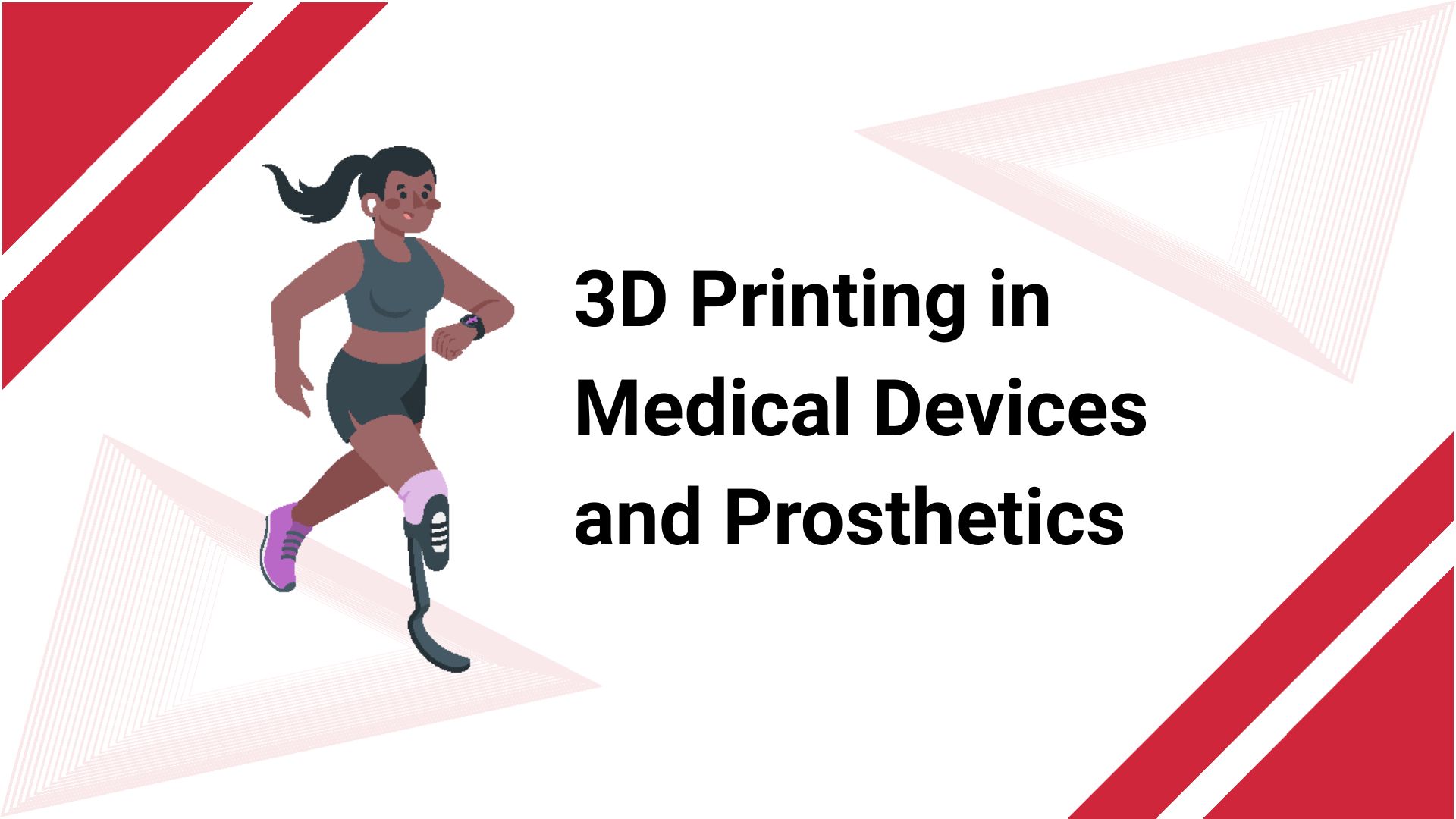
D printing is transforming healthcare by enabling the creation of customized medical devices, implants, and prosthetics. This technology uses digital designs to produce physical objects layer by layer, offering precision and personalization previously unimaginable.
Current Applications in Healthcare
- Prosthetics: 3D printing creates tailored prosthetic limbs that perfectly fit a patient’s unique anatomy, improving comfort and functionality.
- Medical Implants: Surgeons use 3D-printed implants, such as dental crowns or hip joints, designed to match a patient’s specifications.
- Surgical Models: Doctors print replicas of organs or tumors for pre-surgery planning, enhancing precision and reducing risks.
Benefits of Customizing Patient Care
3D printing is a game-changer for personalized medicine. It allows healthcare providers to:
- Tailor treatments: Devices and implants are customized to the patient’s size, shape, and needs.
- Reduce costs: Printing on demand minimizes waste and lowers production expenses compared to traditional manufacturing.
- Speed up production: Critical devices can be printed quickly, reducing waiting times for patients.
Virtual Reality (VR) and Augmented Reality (AR) in Training and Treatment
Virtual Reality (VR) and Augmented Reality (AR) are redefining how medical professionals train and treat patients. By creating immersive and interactive experiences, these technologies enhance learning, improve patient outcomes, and unlock new possibilities in healthcare.
VR/AR in Medical Training and Patient Education
- Medical Training: VR allows surgeons to practice complex procedures in a risk-free virtual environment. AR overlays digital information onto real-world settings, helping doctors visualize anatomy during surgeries or consultations.
- Patient Education: AR apps help patients understand their conditions by displaying 3D models of their organs or treatment plans, making medical information more accessible and easier to grasp.
Examples of VR/AR in Treatment
- PTSD Treatment: VR exposure therapy recreates traumatic scenarios in a controlled environment, helping patients gradually desensitize and heal from post-traumatic stress disorder.
- Surgery Rehabilitation: VR-based games encourage movement and exercise for patients recovering from surgeries or injuries, making therapy engaging and effective.
- Pain Management: VR experiences distract patients from pain during procedures or chronic pain management, reducing reliance on medication.
Integration of IoT with Healthcare
The Internet of Things (IoT) is revolutionizing healthcare by connecting devices, systems, and people to enable smarter, data-driven care. IoT refers to a network of interconnected devices that collect, transmit, and analyze data in real time, making it highly relevant for improving healthcare efficiency and patient outcomes.
IoT in Healthcare: How It Works
IoT enables continuous data collection from devices like wearable sensors, home monitoring systems, and hospital equipment. This data is then analyzed to provide insights, predict health trends, and facilitate timely interventions.
Examples of IoT Devices Improving Patient Care
- Wearable Health Monitors: Devices like smartwatches and fitness trackers measure vital signs such as heart rate, blood pressure, and sleep patterns. They alert patients and healthcare providers about potential health issues before they escalate.
- Smart Medication Dispensers: IoT-enabled dispensers remind patients to take their medication and notify caregivers if doses are missed.
- Remote Patient Monitoring Systems: IoT sensors in homes or hospitals track chronic conditions like diabetes or heart disease, reducing the need for frequent in-person visits.
- Connected Hospital Equipment: IoT ensures hospital devices like ventilators and infusion pumps are monitored and maintained for optimal performance, reducing downtime and errors.
Challenges and Future Prospects
While IoT holds great promise, it also faces challenges:
- Data Security and Privacy: The large-scale collection of sensitive health data raises concerns about cybersecurity and unauthorized access.
- Interoperability: Ensuring that different IoT devices and systems can communicate seamlessly remains a challenge.
- Cost: Implementing IoT infrastructure can be expensive for smaller healthcare providers.
Looking ahead, the future of IoT in healthcare is bright. Advancements in AI and 5G technology will enhance the speed and accuracy of data transmission, enabling more precise and proactive care. With improved security measures and standardized protocols, IoT could transform healthcare, making it more connected, efficient, and patient-centered.
Conclusion
As we venture into the future of healthcare, embracing cutting-edge technologies becomes crucial for enhancing patient care and operational efficiency. Telemedicine expands access to healthcare, AI and machine learning revolutionize diagnosis and treatment, while wearable technologies empower individuals with real-time health monitoring.
Moreover, blockchain offers unmatched data security, 3D printing customizes medical solutions, and virtual/augmented reality transforms medical training and patient interaction. Integrating the Internet of Things (IoT) further refines data-driven healthcare.
By addressing the challenges of data security, interoperability, and costs, these innovations promise to redefine the healthcare landscape, making it more accessible, personalized, and efficient.
Take the next step in revolutionizing your healthcare approach. Explore how Adivi can help you integrate these technologies seamlessly into your operations.
FAQs
What role does blockchain technology play in healthcare?
Explain how blockchain is enhancing data security, patient privacy, and interoperability of health records.
How is big data analytics transforming healthcare?
Look at how big data is used to analyze large sets of health data to improve treatment methods, predict epidemics, and enhance quality of life.
What are the advancements in robotic surgery and their benefits?
Discuss the latest developments in robotic surgery, including increased precision and reduced recovery times for patients.
How is the Internet of Medical Things (IoMT) being integrated into healthcare services?
Provide insights into how IoMT devices are connected to healthcare systems to improve the efficiency and effectiveness of medical care.
What are the ethical concerns with emerging healthcare technologies?
Explore the ethical implications, such as privacy concerns and data security, associated with the adoption of new technologies in healthcare.
How are virtual reality (VR) and augmented reality (AR) used in healthcare training and treatment?
Detail the applications of VR and AR in medical training and patient treatment plans, such as surgical simulation and pain management.