File sharing keeps modern teams connected, but doing it incorrectly can be costly. With rising cyber threats and increasingly stringent regulations, even a single misstep could result in data loss or legal consequences. That’s why secure file sharing is no longer optional.
Whether you’re scaling fast or managing global teams, the best secure file sharing for businesses should protect sensitive files and control access.
In this guide, we’ll cover the must-have features, top platforms, and how to choose the right fit for your business.
Partner with Adivi to implement secure, scalable file sharing solutions tailored to your business.
Key Takeaways
- Security Is Essential
Use tools with encryption, access controls, and audit logs to protect sensitive data. - Stay Compliant
Select platforms that comply with GDPR, HIPAA, and CPRA requirements to avoid potential penalties. - Support Remote Access
Your team needs secure, fast access from anywhere, without delays. - Integrate with Existing Tools
Pick solutions that work with what you already use (Google, Microsoft, Slack, etc.). - Keep It Simple
The best tools are easy to use, scalable, and adopted by your whole team.
Why Secure File Sharing Is Critical in Today’s Business Landscape
Rising cyber threats, stricter data laws, and remote teams becoming the norm mean that secure file sharing is no longer optional; it’s essential for protecting sensitive data, staying compliant, and keeping work flowing safely across your organisation.
Escalating Cybersecurity Threats
Professional cybersecurity services can help businesses protect shared files from ransomware, phishing, unauthorised access, and other evolving threats. Without secure file sharing, a single mistake, such as clicking a malicious link, can expose sensitive data and cause your business significant harm.
Data Privacy and Regulatory Compliance
Laws like GDPR, HIPAA, and CPRA require strict control over how data is shared and stored. Using insecure platforms can lead to fines, even if there’s no breach. Secure file sharing helps you stay compliant by encrypting data and tracking every file action.
The Rise of Remote and Hybrid Teams
In teams work from anywhere, and they need file access that’s both fast and secure. Professional cloud computing services can give remote and hybrid teams secure access to shared files across devices and locations. It keeps data safe without slowing anyone down.
Key Features Every Secure File Sharing Solution Should Have

End-to-End Encryption
This protects your files by encrypting them before they are transmitted from your device. Only the intended recipient can open them, no one else, not even the platform provider.
Granular Access Controls
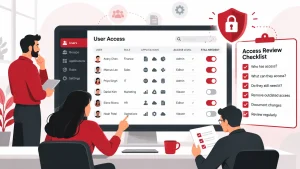
You control who can view, edit, or share each file. Set passwords, expiration dates, or revoke access at any time to avoid leaks or mistakes.
File Tracking & Version History
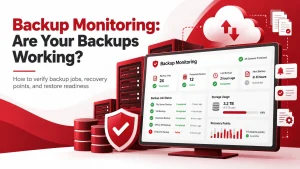
See who opened or changed a file, when it happened, and restore previous versions if needed. It’s key for security and team accountability.
Tool Integration
Choose a platform that works with tools your team already uses, like Google Workspace, Microsoft 365, Slack, Salesforce, or Trello. It keeps workflows smooth.
Scalability & Simplicity
Security is useless if your team won’t use it. Pick a platform that’s easy to learn, mobile-friendly, and flexible enough to grow with your business.
Top Secure File Sharing Platforms to Consider
| Platform | Strengths | Limitations |
| Dropbox Business | Intuitive interface, fast sync, excellent integrations | Expensive for small teams |
| Google Drive (Business) | Deep Gmail integration, secure sharing links, 2FA | Privacy concerns in some sectors |
| Microsoft OneDrive for Business | Built for enterprise, compliance-ready, great for Microsoft users | Less intuitive for non-Microsoft users |
| Box for Business | Strong collaboration tools, admin control, flexible APIs | Can be overly complex for smaller businesses |
| Tresorit / Citrix ShareFile / Egnyte | Security-first, strong compliance (HIPAA, GDPR), zero-knowledge encryption | Higher learning curve, cost, or limited brand recognition |
How to Choose the Right Platform for Your Business

Identify Your Team’s Workflow Needs
Do your teams collaborate on live documents, share large files with clients, or simply store records?
- Collaborative workflows benefit from real-time editing and comments.
- Transactional file sharing needs strong link protection and delivery tracking.
- Archival needs require long-term secure storage with easy retrieval.
Match Security Features to Compliance Risks
If your business operates in regulated industries (like healthcare, finance, or legal), choose platforms with verified compliance certifications.
Zero-knowledge encryption, audit logs, and policy enforcement tools are essential in these environments.
Balance Budget, Scale, and IT Resources
Some platforms offer free or low-cost plans that work well for small teams. Other platforms are designed for enterprise-level security and may require professional managed IT services.
Choose a solution that meets your current needs but can grow with you, without forcing a migration down the road.
Final Thoughts
In a data-driven world, secure file sharing is a business essential. It protects your sensitive information, keeps you compliant, and empowers your team to work efficiently from anywhere.
Whether you’re tightening your security posture or building systems for scale, choosing the right platform is a wise investment in your business’s future.
Looking to enhance your file-sharing security? Explore Adivi’s Cybersecurity Services to protect your data, ensure compliance, and support secure collaboration across your organization.
FAQ
What is secure file sharing?
Secure file sharing involves using tools that encrypt data, manage access, and log activity to protect sensitive files during transfer and storage.
Why can’t we just use email to share files?
Email lacks end-to-end encryption, audit logs, and access controls—making it easy for files to be intercepted, forwarded, or accessed by the wrong people.
What features should a secure file sharing platform have?
Look for end-to-end encryption, access controls, file tracking, integration with business tools, and an easy-to-use interface that your team will adopt.
How does secure file sharing support compliance?
Platforms that follow standards like GDPR, HIPAA, or CPRA provide audit logs, data encryption, and user controls to help meet legal data handling requirements.
What’s the best solution for remote or hybrid teams?
Choose cloud-based platforms that offer encrypted access across devices and locations, without slowing down collaboration or requiring complex setup.