Phishing is a scam where attackers trick people into sharing private data, usually through emails or fake websites. While this tactic is common in big companies, law firms are now being hit more often.
Your firm holds valuable information, and attackers are getting smarter about how they access it. These scams aren’t random; they’re specific and targeted.
This article will walk you through how phishing works, the types of attacks that target law firms, the risks they carry, and how you can stop them. Learning these steps now means fewer surprises later.
Why Phishing in Law Firms Is a Major Cybersecurity Risk
Your firm holds a goldmine of information. Consider client records, bank details, settlement discussions, IP documentation, and internal case strategies. If someone gains access, it could cost you money, time, and client trust.
Many small and mid-sized law firms don’t have dedicated IT teams, and even firms that often lack cybersecurity specialists. Phishing emails rely on human error more than system flaws. One click is enough to open the door.
Legal work is high-stakes and time-sensitive. That urgency is exactly what phishing emails rely on. You’re likely juggling multiple deadlines and client communications, making it easier to miss minor warning signs.
Real Incidents: What Happens When Law Firms Get Phished
In August 2024, a client of Hastings, Cohan & Walsh, LLP in Connecticut lost approximately $597,000 during a real estate transaction. Hackers breached the firm’s email system and sent fraudulent wire instructions to the client. Believing the email was legitimate, the client transferred the funds to the attacker. This case highlights the importance of verifying wire instructions and using secure communication channels.
Another case involved MBC Law, a mid-sized litigation firm in Ottawa. In December 2023, their network was compromised after brute-force access attempts. The attacker gained unauthorized access and exfiltrated data from the firm’s server. This incident shows how persistent attackers can breach systems when proper safeguards aren’t in place.
Both firms had basic security, but lacked robust phishing protection and staff training. The consequences included major financial loss, legal exposure, and reputational damage.
How Phishing in Law Firms Typically Happens
Spear Phishing
These are highly targeted attacks. The scammer studies your firm, learns who handles which clients, and creates convincing emails. You might get a message about a real case or deadline. It sounds familiar because they’ve done their homework. The goal is to get you to click a malicious link or download a fake file.
Business Email Compromise (BEC)
This involves impersonation. You receive an email from someone you trust, or at least, it looks that way. It might come from a spoofed domain that mimics a partner, client, or even another lawyer in your firm. The attacker may request a wire transfer, login details, or document approval. These emails are hard to spot because they often follow your usual communication style.
Credential Harvesting
These attacks use fake login pages that look just like your email portal, case system, or cloud drive. You’re asked to log in, often through a link in an urgent-sounding email. Once you enter your credentials, the attacker uses them to access your account and everything in it.
Fake Invoices and Document Links
You might receive what appears to be a court filing, discovery request, or invoice from a known client. The document looks real but contains malware. Just opening the file can install software that lets the attacker monitor your system, steal information, or encrypt files for ransom.
Red Flags: How to Spot a Phishing Attempt

- The email address doesn’t match the sender’s name or organization
- Messages create a false sense of urgency or threat
- Links redirect to unfamiliar or misspelled domains
- Attachments are unexpected or out of context
- The message asks you to share sensitive information or approve a wire transfer quickly
Pay close attention to tone, grammar, and formatting. Phishing emails are getting better, but minor inconsistencies often remain.
The Fallout: Consequences of Phishing in Law Firms
If phishing hits your firm, the damage can be immediate and long-lasting.
- You could lose tens or hundreds of thousands through direct financial fraud
- Clients may sue if their information is exposed
- Regulators can impose fines for violating privacy laws like GDPR or HIPAA
- Your firm’s reputation may suffer, leading to lost business and negative media coverage
- Cyber insurance may not cover damages if your prevention measures were weak or outdated
Ways to Prevent Phishing in Law Firms
Train Everyone Quarterly
Don’t assume people remember what phishing looks like. Run training sessions every few months and include phishing simulations. These help staff learn how to spot threats and strengthen phishing attack prevention before an incident occurs.
Use Multi-Factor Authentication (MFA)
MFA adds a second step to your logins, usually a phone confirmation or a code. Even if a hacker gets your password, they won’t be able to log in without that extra step.
Filter and Scan Emails
Use software that filters out suspicious messages and scans attachments for malware. This can prevent many phishing attempts from reaching your inbox.
Control Access
Not every staff member needs access to everything. Limit user access by role. The fewer people who can reach sensitive information, the lower your risk.
Avoid Public Wi-Fi
Public Wi-Fi isn’t safe for legal work. Use a virtual private network (VPN) to secure your connection if remote access is needed.
Have a Response Plan
Ensure everyone in the firm knows what to do if they receive a suspicious email or think they clicked something unsafe. A quick response limits damage.
Use Secure Client Portals
Sending legal documents by email can expose sensitive data. Instead, use secure, encrypted client portals to share case files and contracts.
Back Up Data Regularly
Schedule backups daily or more often, depending on your workload. Store these backups in a secure location not connected to your network in real time. This makes recovery easier if a phishing attack leads to ransomware.
Compliance Obligations for Legal Firms
Failing to stop phishing attacks isn’t just a tech issue; it’s legal.
- The American Bar Association (ABA) outlines specific duties to safeguard client information in Formal Opinion 483
- Many state bar associations expect similar or stronger cybersecurity practices
- Cyber liability insurers often require you to demonstrate proactive security steps, including training and MFA
Neglecting these obligations can result in ethics violations and professional discipline.
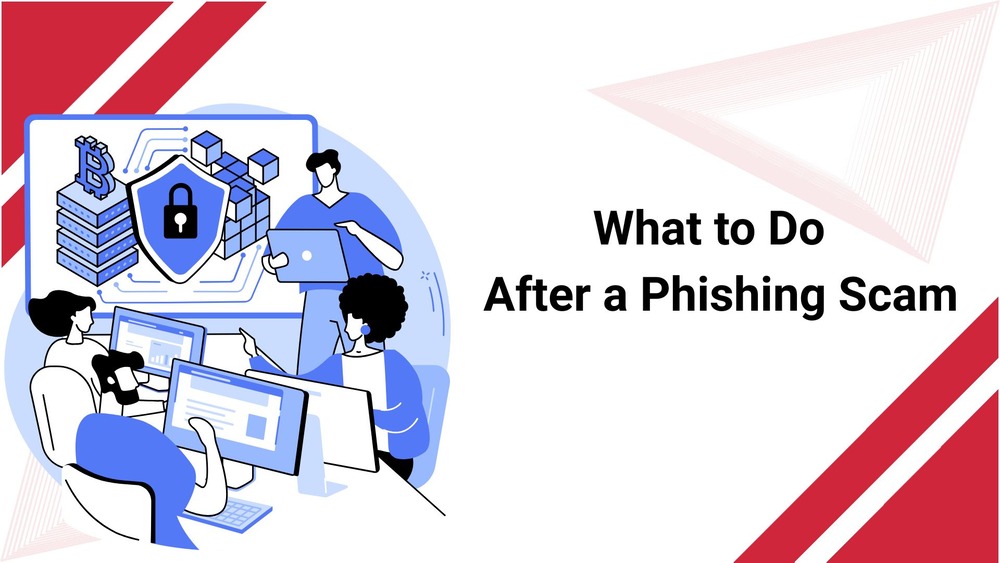
What to Do After a Phishing Incident
1. Disconnect the Device or Account Immediately
The first step is to limit exposure. If a phishing attack is suspected, disconnect the affected computer or user account from the internet and internal systems. This prevents the attacker from gaining deeper access to your network.
2. Notify Your Cybersecurity Provider
Whether you have an in-house team or work with a third-party provider like Adivi, alert them immediately. Quick notification allows them to begin tracing the source of the attack and blocking further attempts.
3. Contact Affected Clients
If there’s any chance client data was compromised, you may be legally required to inform them. Timely and transparent communication helps maintain trust and shows that you take the matter seriously.
4. Conduct a Forensic Investigation
A cybersecurity expert will review logs, emails, and system activity to determine what the attacker accessed. This step is crucial for understanding the scope of the breach and preparing a proper response.
5. Patch the Gaps and Re-Train Your Team
Once the source is found, fix any vulnerabilities in your system. Then, re-educate your staff on what went wrong and how similar attacks can be avoided. Regular updates and practice reduce the chances of repeat incidents.
A fast, organized response can help your firm limit financial damage and regain control with minimal downtime.
Building a Proactive Cybersecurity Culture in Your Firm
- Hold regular security check-ins to share new threats and tips
- Designate a cybersecurity lead or hire an outside specialist for ongoing support
- Run mock phishing tests to keep awareness high and spot weak spots
- Update software and systems consistently, including antivirus tools, apps, and plugins
Final Thoughts
Phishing in law firms is no longer a rare event. A daily threat can impact your finances, clients, and reputation. Cybersecurity isn’t a one-time fix. It requires consistent effort and the right partner.
Adivi supports law firms like yours with hands-on strategies, real-time monitoring, and expert advice. Whether handling sensitive cases or managing a growing practice, Adivi helps keep your operations safe and compliant.
Stay ahead of cyber threats. Schedule a cybersecurity consultation with Adivi today. Get expert support to protect your law firm’s data, clients, and future.
FAQs
Does encryption slow down my network?
Not significantly. Most modern systems handle encryption efficiently.
Can phishing emails bypass spam filters?
Yes. That’s why staff training and layered security are both essential.
Is multi-factor authentication really necessary?
Yes. It blocks most unauthorized login attempts, even with a stolen password.
How often should we back up our data?
At least daily. More often, if your work changes quickly or involves sensitive information.
What should I do if I clicked on a phishing link?
Report it immediately, disconnect your device, and alert IT for further steps.
Do small firms face the same risks as large ones?
Yes. Attackers often assume small firms have weaker defenses.
What’s the best first step if we have no cybersecurity plan?
Start with a cybersecurity assessment. Adivi can walk you through the process.