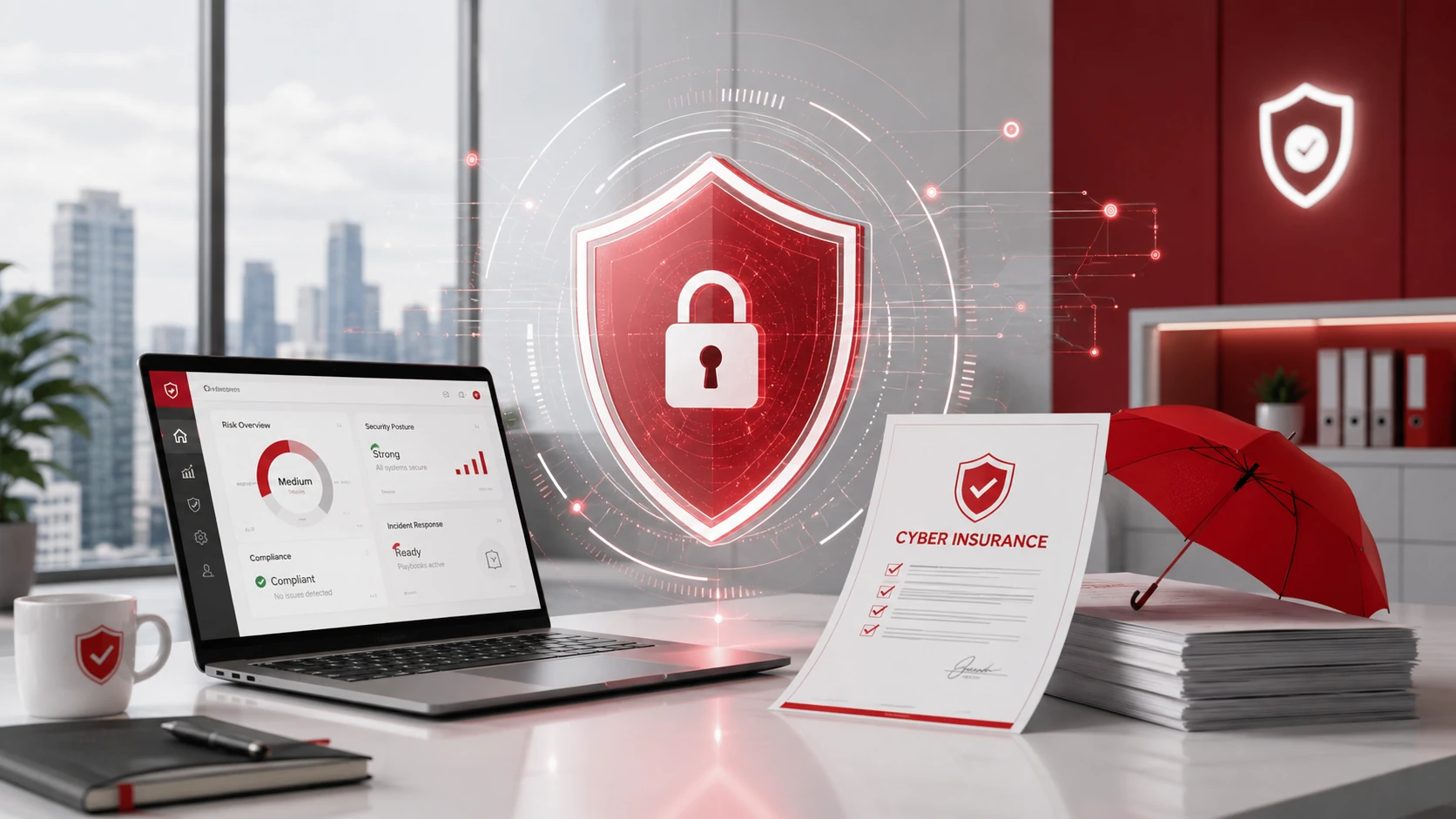
Cyber insurance has become an important part of many businesses’ cybersecurity strategies. However, getting coverage is no longer as simple as completing an application.
Many insurance providers now require businesses to demonstrate that they have effective cybersecurity measures in place before approving a policy. These requirements help insurers evaluate whether an organization is taking reasonable steps to protect its systems, data, and customers.
Understanding cyber insurance requirements can help your business strengthen security, reduce risks, and improve your chances of qualifying for coverage.
Key Takeaways
- Cyber insurance requires businesses to have strong security controls in place.
- Cyber insurance requirements include MFA, backups, endpoint protection, and employee training.
- Regular risk assessments and monitoring help reduce cybersecurity risks.
- A proactive cybersecurity strategy can improve insurance readiness and protect business operations.
What Are Cyber Insurance Requirements?
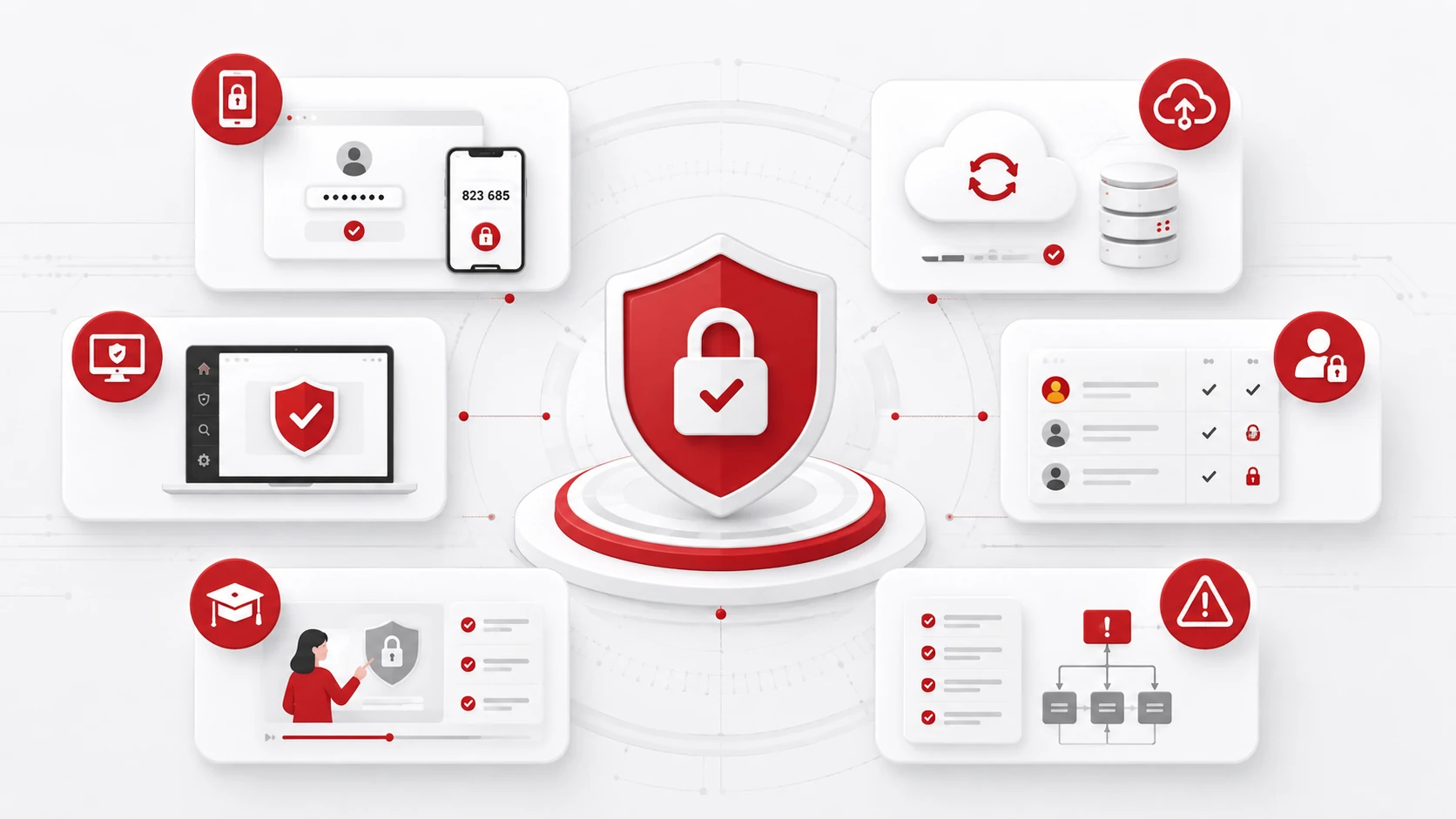
Cyber insurance requirements are the security practices, policies, and controls that insurance providers expect businesses to have before providing coverage.
These requirements help insurers assess how prepared an organization is to prevent, detect, and recover from cyber incidents.
While requirements vary between insurance providers, many businesses are expected to have protections such as:
- Multi-factor authentication (MFA)
- Data backup and recovery processes
- Endpoint security solutions
- Employee cybersecurity training
- Access controls
- Incident response plans
- Security monitoring
- Vulnerability management
Meeting these requirements does not eliminate cyber risks, but it demonstrates that your business is actively working to reduce potential threats.
Because cyber incidents can create significant financial losses, insurance providers want businesses to have strong security practices before offering coverage.
Multi-Factor Authentication (MFA)
Multi-factor authentication (MFA) is one of the most common cyber insurance requirements. It adds an extra layer of protection by requiring users to verify their identity beyond a password.
Many insurers require MFA for important systems such as email accounts, remote access tools, cloud applications, and administrative accounts. This helps prevent unauthorized access even if login credentials are compromised.
Data Backup and Recovery
Reliable backups help businesses recover from ransomware, accidental deletion, hardware failures, and other disruptions.
Insurance providers often review whether businesses have secure backup processes, regular backup schedules, and tested recovery procedures. A strong data backup and disaster recovery strategy can help minimize downtime and restore critical operations after a cyber incident.
Endpoint Security
Business devices such as computers, laptops, and mobile devices are common targets for cybercriminals. Endpoint security solutions help detect threats, monitor devices, and prevent malware or other attacks from spreading across your network.
Common protections include antivirus software, endpoint detection and response (EDR), security updates, and device monitoring.
Employee Cybersecurity Training
Employees play an important role in preventing cyber threats. Many insurers require businesses to provide security awareness training that helps employees identify phishing attempts, suspicious links, social engineering attacks, and unsafe data practices.
Regular training can reduce security risks caused by human error and improve overall cybersecurity awareness.
Access Controls and User Permissions
Cyber insurance providers may review how businesses manage access to sensitive systems and information.
Organizations should have strong password policies, limit user permissions based on job responsibilities, regularly review accounts, and restrict administrative access. Proper access management reduces the potential damage caused by compromised accounts.
Incident Response Planning
A documented incident response plan helps businesses respond quickly when a cyberattack occurs.
Insurance providers may look for procedures that explain how the organization will identify threats, contain incidents, recover systems, and communicate with affected parties. Having a clear response plan can reduce confusion and limit downtime during a security event.
Security Monitoring and Risk Assessments
Regular security monitoring and risk assessments help businesses identify vulnerabilities before attackers exploit them.
Organizations should continuously monitor suspicious activity, review security weaknesses, apply updates, and improve existing security controls. Taking a proactive approach can strengthen cybersecurity readiness and improve eligibility for cyber insurance coverage.
Meeting these requirements can help your organization improve security and prepare for the cyber insurance process.
How Cybersecurity Helps Businesses Meet Insurance Requirements
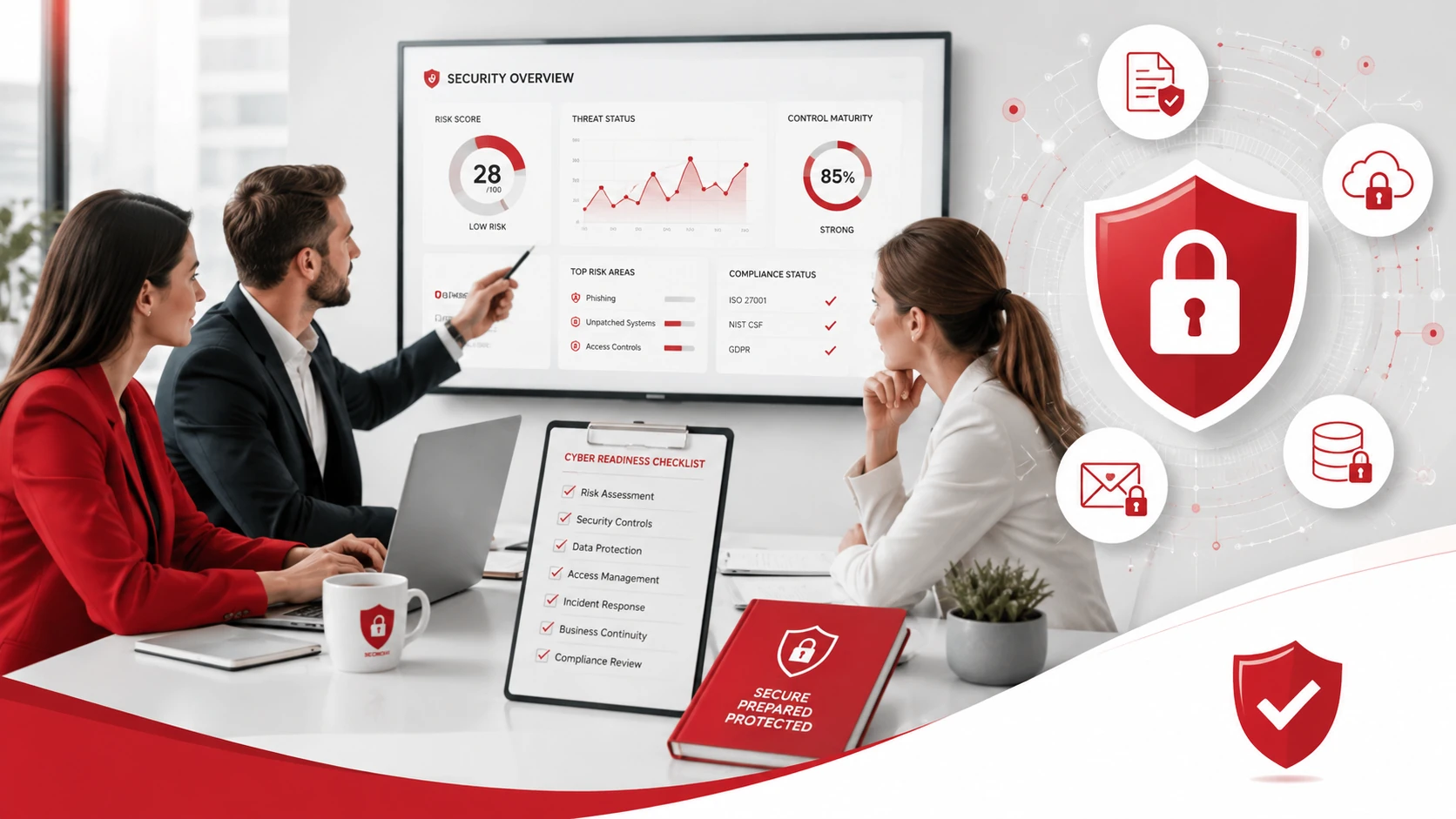
Cyber insurance requirements are closely connected to cybersecurity best practices.
Businesses with strong security foundations are generally better prepared to demonstrate their cybersecurity readiness to insurers.
A comprehensive cybersecurity strategy can help organizations:
- Reduce security risks
- Protect sensitive information
- Improve compliance readiness
- Respond faster to incidents
- Maintain business operations
Adivi helps businesses strengthen their security posture through proactive cybersecurity solutions, risk management, and ongoing IT support.
Key Benefits of Partnering With Adivi for Cybersecurity
Partnering with Adivi helps businesses improve their cybersecurity strategy and prepare for changing security requirements.
Key benefits include:
- Security assessments: Identify weaknesses and areas for improvement.
- Proactive protection: Detect and address threats before they disrupt operations.
- Cybersecurity planning: Build a security strategy aligned with business goals.
- Data protection: Improve backup, recovery, and information security practices.
- Ongoing support: Maintain stronger security through continuous monitoring and guidance.
With Adivi’s cybersecurity services, businesses can strengthen their cybersecurity defenses and better prepare for cyber threats and insurance requirements.
Prepare Your Business for Cyber Insurance Requirements with Adivi
Cyber insurance can provide valuable financial protection, but strong cybersecurity practices are the foundation of effective coverage.
Meeting cyber insurance requirements requires more than completing an application. Businesses need the right security controls, policies, and processes to reduce risks and protect critical operations.
Adivi helps organizations improve their cybersecurity posture through strategic planning, security solutions, and ongoing IT support.
Schedule a free assessment with Adivi today to identify security improvements that can help protect your business.
Frequently Asked Questions
What are cyber insurance requirements?
Cyber insurance requirements are the cybersecurity practices and controls businesses may need to implement before receiving coverage from an insurance provider.
Why do businesses need to meet cyber insurance requirements?
Insurance providers use these requirements to evaluate cybersecurity risks and determine whether a business has adequate protections against cyber threats.
Does cyber insurance require multi-factor authentication?
Many cyber insurance providers require multi-factor authentication, especially for email accounts, remote access systems, and administrative accounts.
Can cybersecurity help businesses qualify for cyber insurance?
Yes. Strong cybersecurity practices such as backups, security monitoring, access controls, and employee training can help businesses meet insurance requirements.
What happens if a business does not meet cyber insurance requirements?
Businesses that do not meet requirements may face higher premiums, limited coverage options, or difficulty obtaining a cyber insurance policy.