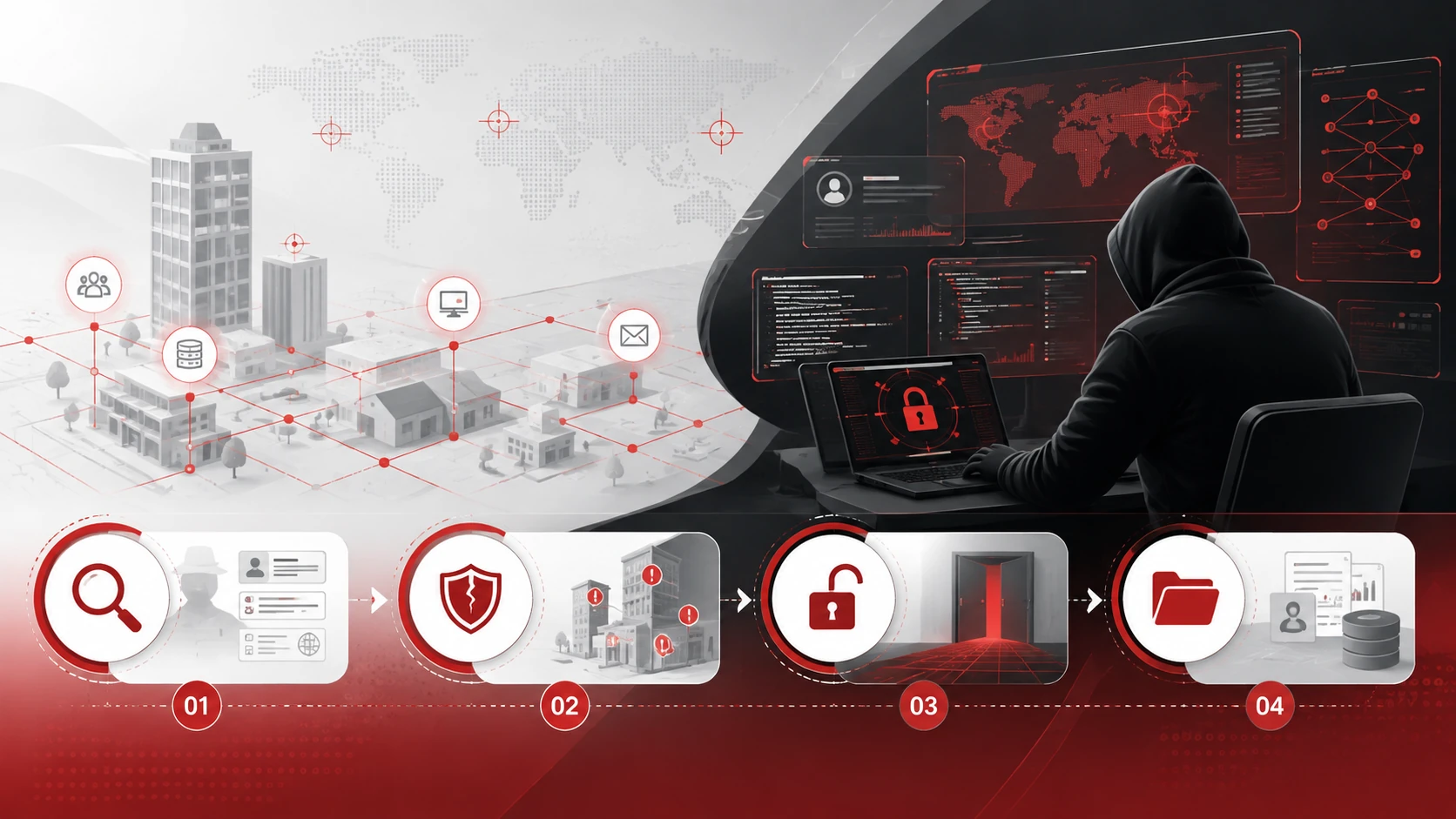
Cybercriminals plan attacks by identifying targets, finding weaknesses, gaining access, and attempting to achieve a specific goal such as stealing information, disrupting operations, or causing financial damage.
While every cyberattack is different, many follow a similar process. Attackers often spend time researching organizations, identifying security gaps, and choosing methods that increase their chances of success.
Understanding how cybercriminals plan attacks helps businesses recognize potential risks and strengthen their cybersecurity approach.
Key Takeaways
- Cybercriminals often research businesses, identify weaknesses, and choose methods to gain access.
- Many attacks follow stages such as reconnaissance, exploitation, and data theft.
- Businesses are targeted because they store valuable information and rely heavily on technology.
- Strong cybersecurity practices can reduce risks and limit the impact of attacks.
Why Do Cybercriminals Target Businesses?
Businesses are attractive targets because they often store valuable information and depend on technology systems for daily operations.
Common targets include:
- Customer information
- Financial records
- Employee data
- Intellectual property
- Business applications
- Internal systems
Attackers may target businesses for financial gain, data theft, disruption, or unauthorized access to valuable resources.
Small and medium-sized businesses can also be targeted because they may have fewer cybersecurity resources while still managing valuable information.
How Cybercriminals Plan Their Attacks
Although attack methods vary, many cybercriminals follow a similar process when planning and carrying out attacks.
Research and Identify Targets
Before attempting an attack, cybercriminals often gather information about a business and its technology environment.
This stage is commonly known as reconnaissance. During this phase, attackers collect information that may help them identify possible entry points.
They may look for:
- Public company information
- Employee details
- Exposed online accounts
- Software and systems in use
- Weak security practices
Attackers use this information to understand a target’s environment and identify potential opportunities.
Businesses can reduce exposure by limiting unnecessary public information, reviewing online accounts, and maintaining strong security controls.
Find Security Weaknesses
After researching a target, attackers look for weaknesses that may allow unauthorized access.
Common weaknesses include:
- Outdated software
- Weak or reused passwords
- Poor access controls
- Misconfigured systems
- Missing security updates
Attackers often take advantage of known vulnerabilities that have not been addressed.
Regular updates, security reviews, and vulnerability assessments can help businesses identify and reduce these risks.
Gain Initial Access
Cybercriminals use different methods to access business systems, accounts, or networks.
Common entry points include:
- Phishing emails
- Stolen login credentials
- Exploited software vulnerabilities
- Compromised accounts
Once attackers gain access, they may attempt to move through the environment, access sensitive information, or prepare for further actions.
Strong authentication, employee awareness, and proper access controls can help reduce unauthorized access risks.
Attempt to Achieve Their Goal
After gaining access, cybercriminals attempt to complete their objective.
Depending on their motivation, they may:
- Steal sensitive information
- Disrupt business operations
- Deploy malicious software
- Demand payment
- Maintain unauthorized access
Early detection is important because identifying suspicious activity quickly can help limit the damage caused by an attack.
Common Attack Methods Cybercriminals Use
Phishing and Social Engineering
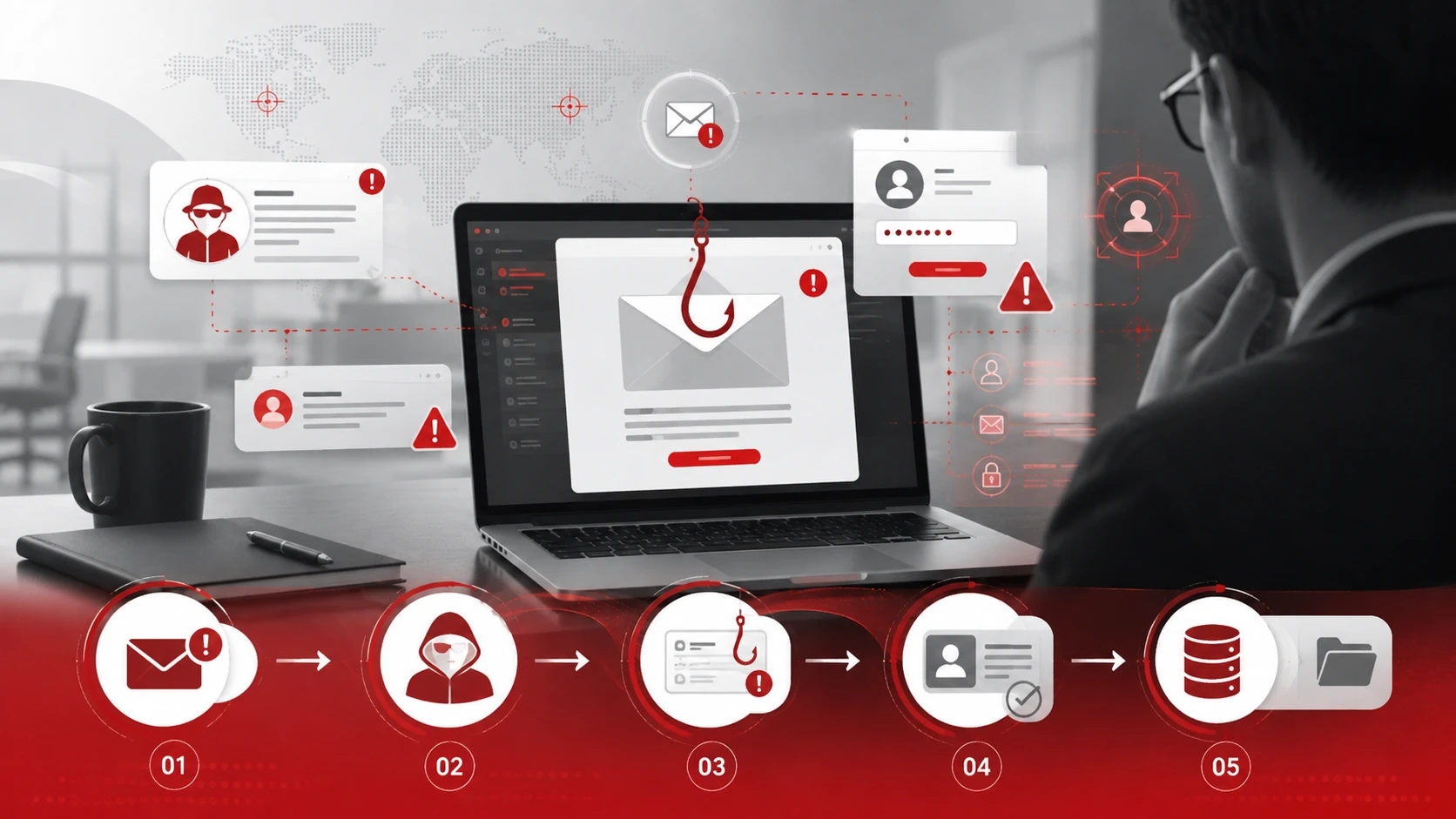
Phishing uses deceptive messages designed to convince employees to reveal information, open harmful files, or visit unsafe websites.
Attackers often make these messages appear to come from trusted sources, such as colleagues, suppliers, or familiar companies.
Employee awareness training and email security tools can help businesses reduce phishing-related risks.
Stolen Credentials
Compromised usernames and passwords are a common way attackers gain access to business systems.
Risks increase when employees:
- Reuse passwords across accounts
- Share login information
- Use weak passwords
- Do not enable multi-factor authentication
Strong password policies and access controls can help protect business accounts.
Exploiting Vulnerabilities
Attackers may take advantage of weaknesses in software, applications, or systems that have not been updated or properly configured.
Regular patch management and vulnerability assessments help businesses identify security gaps before attackers can exploit them.
Businesses may use vulnerability assessment services to identify weaknesses across their technology environment.
Malware and Ransomware
Malware is malicious software designed to disrupt systems, steal information, or provide unauthorized access.
Ransomware is a type of malware that can encrypt files and prevent users from accessing systems until a demand is met.
Regular backups, security monitoring, and access controls can help reduce the impact of these attacks.
Warning Signs of a Potential Cyberattack
Businesses should pay attention to unusual activity that may indicate a security issue.
Warning signs may include:
- Unexpected login attempts
- Unusual account activity
- Slow or unstable systems
- Unknown software installations
- Suspicious emails or messages
- Unexplained file changes
- Unusual network activity
Early detection allows businesses to investigate potential threats before they become larger incidents.
How Businesses Can Reduce Their Cybersecurity Risk
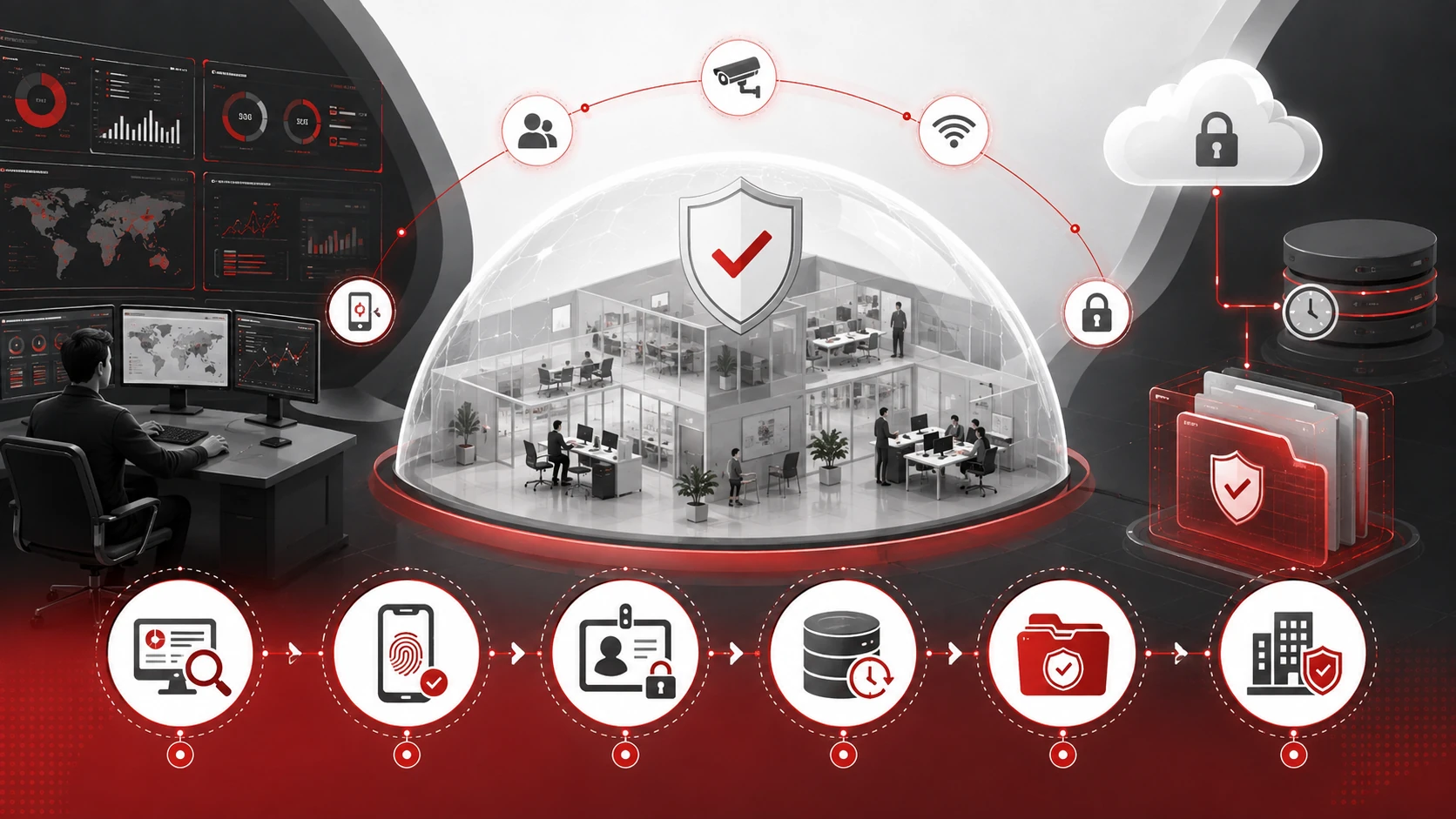
Understanding how cybercriminals operate is one part of building stronger security defenses.
Businesses can reduce risk by:
Keeping Systems Updated
Installing security updates helps address known vulnerabilities and improves protection against attacks.
Limiting User Access
Employees should only have access to the systems and information required for their role.
Proper access management reduces the risk of unauthorized users accessing sensitive data.
Protecting Important Data
Businesses should maintain reliable backups and recovery plans to reduce disruption after data loss, ransomware, or system failures.
A strong data backup and disaster recovery strategy can help businesses recover important files and systems after an incident.
Monitoring Systems Regularly
Security monitoring helps identify unusual activity and potential threats earlier.
Businesses may use managed IT services to monitor systems, maintain security tools, and support ongoing technology management.
Strengthening Security Controls
A complete cybersecurity strategy should protect devices, networks, applications, and user accounts.
Businesses should regularly assess vulnerabilities, review security controls, and monitor systems to identify weaknesses before attackers exploit them.
Professional cybersecurity services can help businesses improve protection, identify risks, and respond to potential threats.
Strengthen Your Business Cybersecurity
Cybercriminals continue to adapt their methods, making proactive security practices important for businesses of all sizes.
Understanding how attackers plan and execute campaigns helps organizations make better decisions about security awareness, access controls, monitoring, and data protection.
Adivi helps businesses strengthen their IT environments through cybersecurity solutions, managed IT support, monitoring, and technology guidance.
Contact Adivi to discuss your cybersecurity requirements.
Conclusion
Understanding how cybercriminals plan attacks allows businesses to prepare stronger defenses.
By improving security awareness, protecting accounts, monitoring systems, and maintaining recovery plans, organizations can reduce their exposure to cyber threats and limit the impact of potential incidents.
A strong cybersecurity strategy combines people, processes, and technology to protect important business systems and information.
Frequently Asked Questions
How Do Cybercriminals Choose Their Targets?
Cybercriminals often target businesses that store valuable information, rely on important technology systems, or have security weaknesses that can be exploited.
What Are the Common Stages of a Cyberattack?
Many attacks follow stages such as researching a target, identifying weaknesses, gaining access, exploiting systems, and attempting to achieve a specific objective.
Why Are Businesses Targeted by Cybercriminals?
Businesses are targeted because they often store valuable data, manage financial information, and depend on technology for daily operations.
Can Businesses Prevent All Cyberattacks?
No security strategy can guarantee that every attack will be prevented. However, strong cybersecurity practices can reduce risks and limit the impact when incidents occur.
What Is the Best Way to Protect Against Cyberattacks?
Businesses should combine regular updates, employee awareness, strong access controls, backups, monitoring, and professional cybersecurity support to improve protection.