Database Activity Monitoring (DAM) is a cybersecurity technology that tracks, analyzes, and records activity within databases. It helps businesses understand who is accessing sensitive information, identify suspicious behavior, and protect important data.
Databases often store valuable business information, including customer records, financial details, employee information, and operational data. Without proper visibility, unauthorized access or unusual activity may go unnoticed.
DAM gives organizations greater insight into database usage by monitoring user actions, detecting potential risks, and creating records that support security investigations and compliance requirements.
Key Takeaways
- Database Activity Monitoring tracks and analyzes database activity to improve security visibility.
- DAM helps detect suspicious access, unusual behavior, and potential security threats.
- It provides records of who accessed data and what actions were performed.
- Businesses use DAM to strengthen cybersecurity, compliance, and incident response.
What Is Database Activity Monitoring?
Database Activity Monitoring is a security solution that monitors activity within databases in real time or near real time.
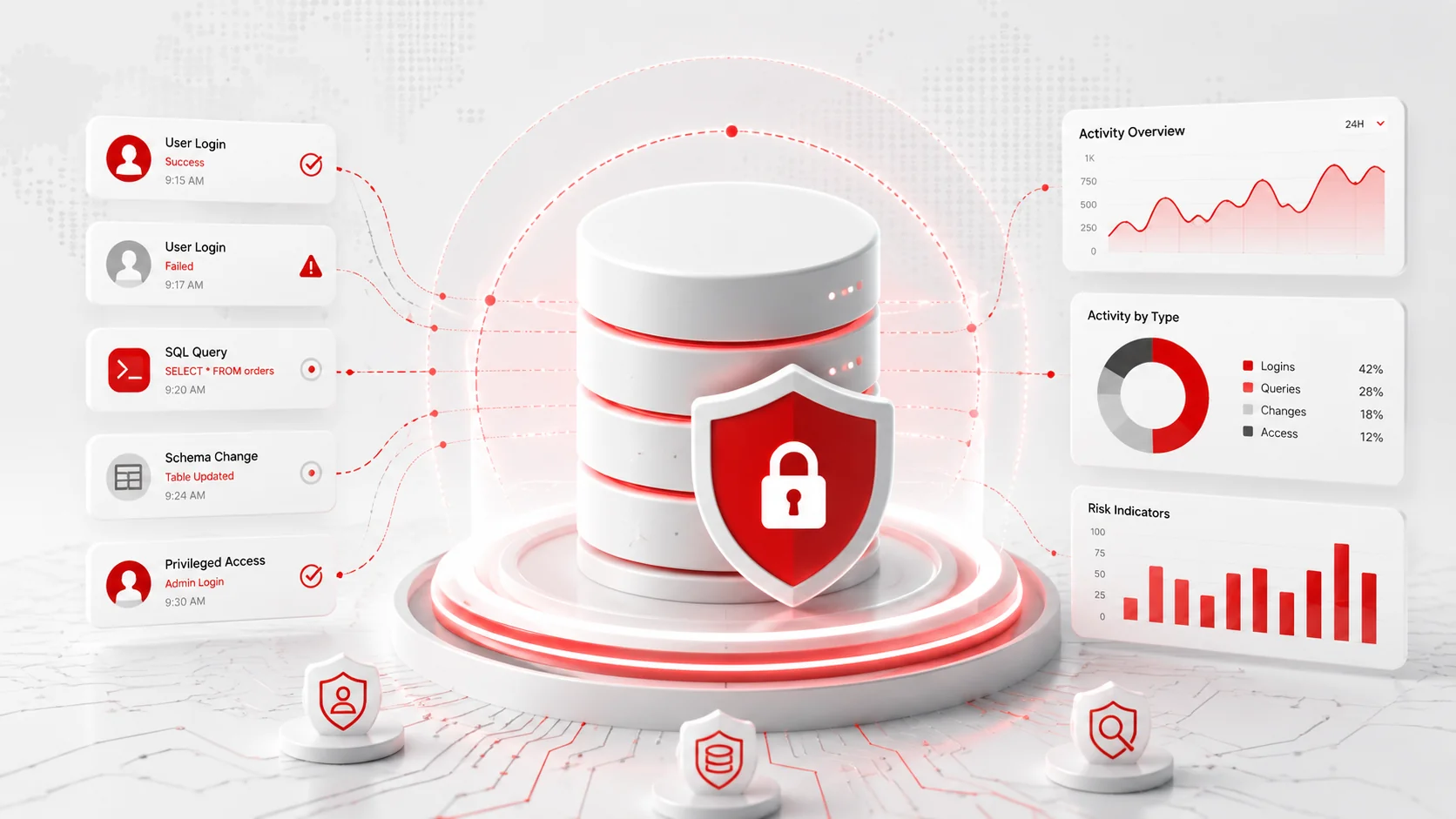
It records actions such as:
- User logins and access attempts
- Database queries
- Changes made to stored information
- Unusual access patterns
- Privileged user activity
By monitoring these actions, businesses can identify potential threats, investigate suspicious events, and better understand how sensitive information is accessed and used.
Unlike traditional database management tools that focus on performance and availability, DAM focuses on security visibility and user behavior.
How Does Database Activity Monitoring Work?
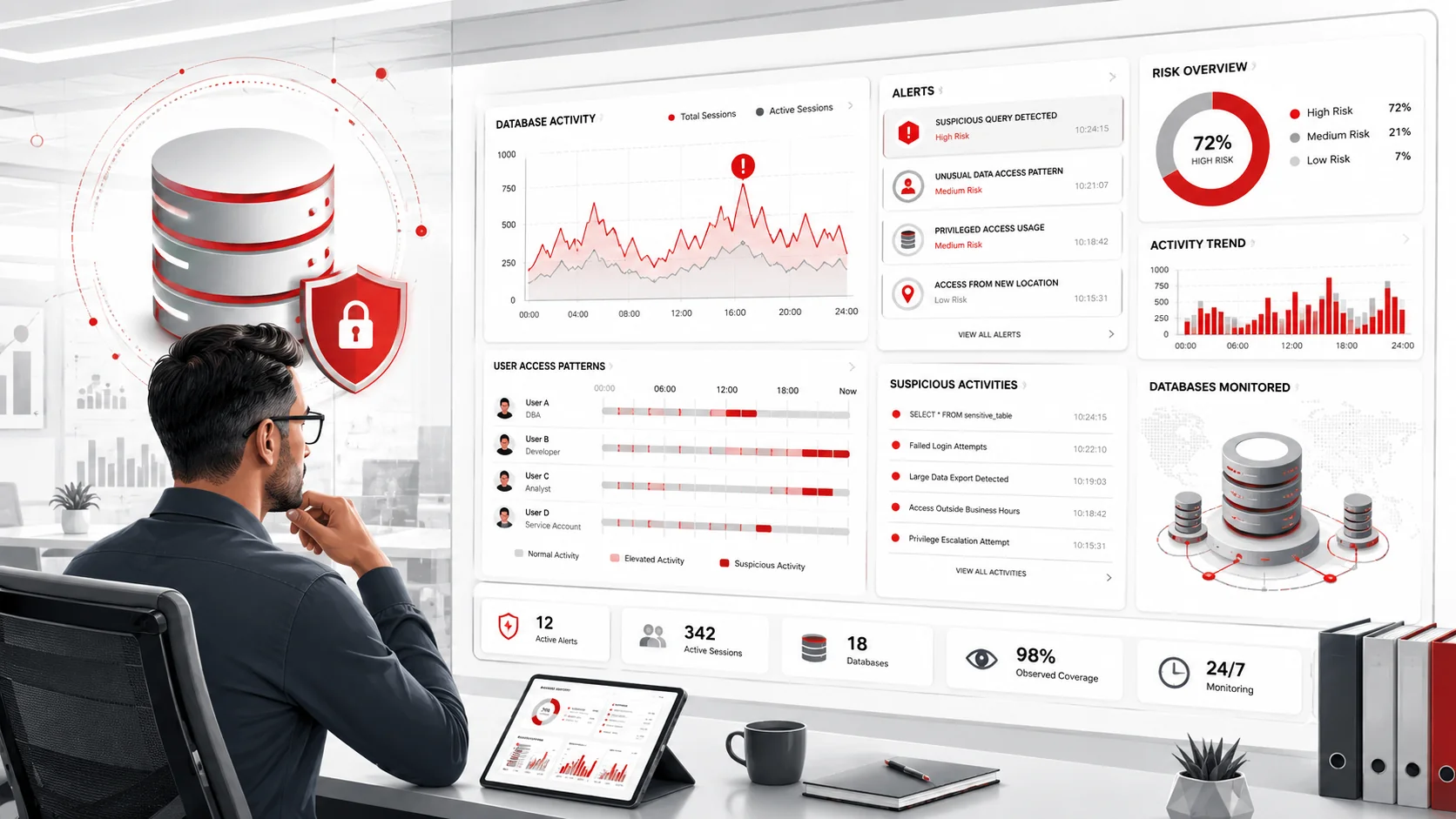
DAM works by collecting and analyzing database activity to identify potential security risks.
The process typically includes four steps:
1. Collect Database Activity Data
DAM tools monitor activity from databases, applications, and users. This may include login attempts, data access, queries, and changes made within the database environment.
2. Analyze User Behavior
The system reviews activity patterns to identify unusual actions, such as unexpected access locations, unusual query activity, or attempts to access sensitive information.
For example, if an employee suddenly downloads thousands of customer records or accesses databases they do not normally use, DAM can flag the activity for investigation.
3. Generate Alerts
When suspicious activity is detected, DAM can notify security teams so they can investigate and respond quickly.
Examples include:
- A user accessing large amounts of sensitive data
- Repeated failed login attempts
- Unusual activity outside normal working hours
- Unauthorized changes to database records
4. Create Reports and Audit Records
DAM creates activity records that help businesses investigate incidents, review user actions, and support compliance reporting.
Database Monitoring vs Database Activity Monitoring
Database monitoring and Database Activity Monitoring serve different purposes.
|
Database Monitoring |
Database Activity Monitoring |
|
Focuses on performance and availability |
Focuses on security and user activity |
|
Tracks system health, speed, and resource usage |
Tracks access, queries, and data changes |
|
Helps prevent performance issues |
Helps detect security risks |
|
Mainly used by IT teams |
Used by IT, security, and compliance teams |
A database can operate efficiently while still having security issues. DAM provides additional visibility into who is accessing information and whether that activity is appropriate.
Benefits of Database Activity Monitoring
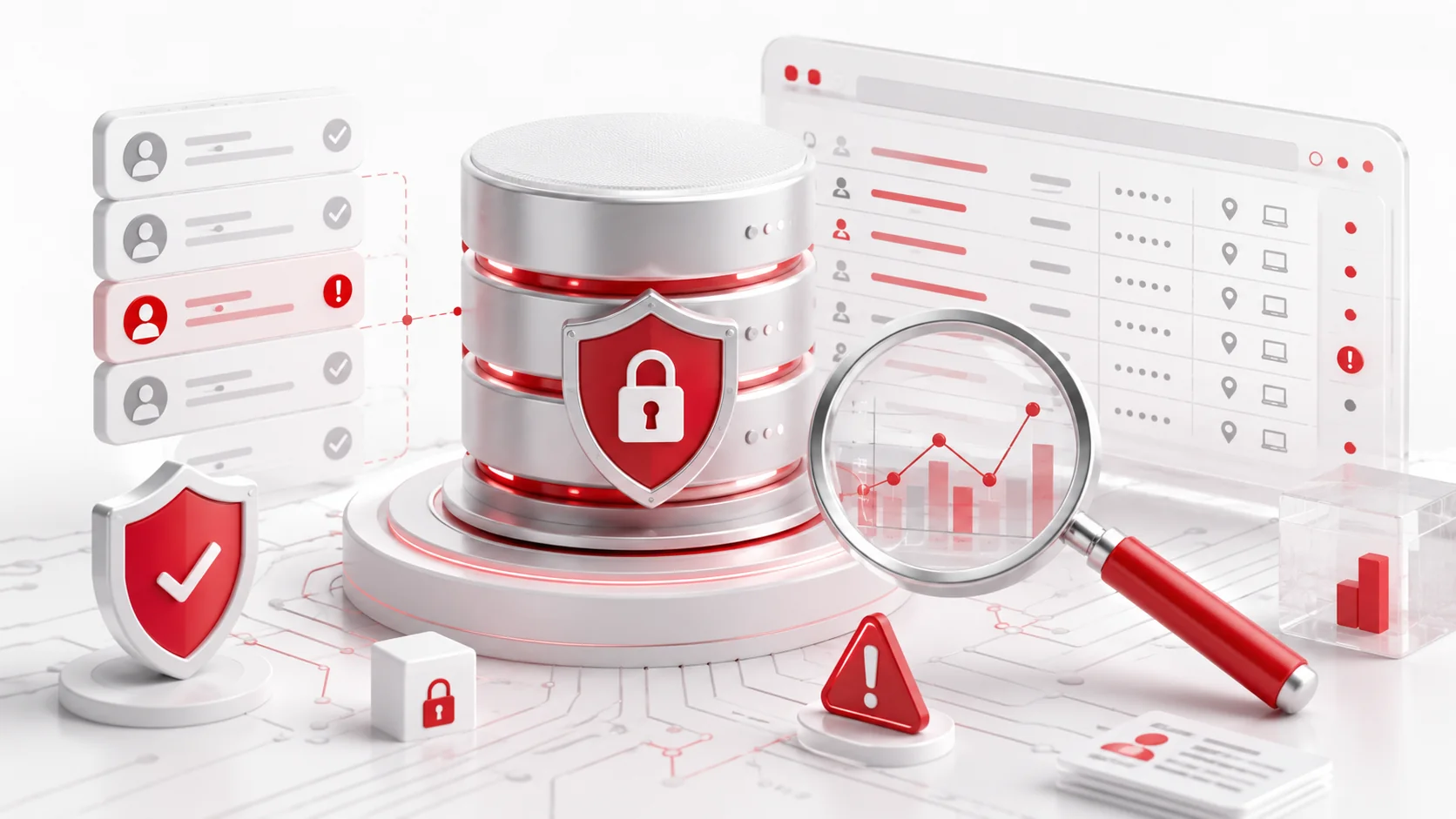
Detect Suspicious Database Activity
DAM helps businesses identify unusual behavior that may indicate unauthorized access, misuse, or a potential security incident.
For example, if a user suddenly accesses large amounts of sensitive data they do not normally use, DAM can help security teams review the activity.
Protect Sensitive Information
Many businesses store valuable information in databases, including customer details, financial records, and internal documents.
Monitoring database activity helps organizations understand how information is accessed and identify risks before they become larger security issues.
Support Compliance Requirements
Organizations in regulated industries may need records showing who accessed certain information and when changes were made.
DAM provides activity logs and reports that can support security reviews, audits, and compliance processes.
Improve Incident Response
When a security incident occurs, database activity records can help teams investigate what happened, identify affected information, and determine the appropriate response.
Increase Database Visibility
Without monitoring, businesses may have limited insight into how employees, applications, and administrators interact with sensitive data.
DAM provides a clearer view of database usage and helps organizations make better security decisions.
Who Needs Database Activity Monitoring?
DAM can be useful for businesses that:
- Store customer or employee information
- Process financial transactions
- Manage sensitive business records
- Need stronger database security controls
- Have multiple users accessing important systems
- Must maintain security records for audits
Small and medium-sized businesses may benefit from DAM when they store sensitive customer information, manage regulated data, or have multiple users accessing business databases.
Industries such as finance, healthcare, technology, and professional services often use database monitoring because they manage large amounts of sensitive information.
Database Activity Monitoring and Cybersecurity
Database security should be part of a wider cybersecurity strategy.
DAM helps businesses monitor database activity, but organizations also need protection across devices, networks, applications, and user accounts.
Combining DAM with cybersecurity services can help businesses identify vulnerabilities, protect sensitive information, and respond to potential threats more effectively.
Businesses may also use managed IT services to monitor systems, manage security tools, and support ongoing technology operations.
Best Practices for Database Activity Monitoring
Monitor Sensitive Data
Focus monitoring efforts on databases containing valuable or confidential information. Not every system requires the same level of monitoring.
Review User Access
Regularly review permissions to ensure users only have access to the information they need for their role.
Investigate Alerts
Alerts are only useful when they are reviewed and investigated. Establish processes for responding to suspicious activity.
Maintain Security Logs
Keep database activity records for investigations, audits, and security reviews.
Combine DAM With Other Security Controls
DAM should work alongside access management, vulnerability assessments, backups, and other security measures.
Regular vulnerability assessments can help identify weaknesses across business systems before attackers exploit them.
Strengthen Your Database Security
Protecting business databases requires visibility into how information is accessed and used.
Database Activity Monitoring helps organizations identify risks, investigate incidents, and strengthen their overall security strategy by providing insight into database activity.
Adivi helps businesses improve their IT security through cybersecurity solutions, monitoring, and managed IT support.
Contact Adivi to discuss your database security and IT requirements.
Conclusion
Database Activity Monitoring provides businesses with greater visibility into database access, user behavior, and potential security risks.
While traditional database monitoring focuses on performance and availability, DAM focuses on protecting sensitive information and identifying suspicious activity.
For businesses managing important data, DAM can support a stronger cybersecurity strategy and help teams respond more effectively to security incidents.
Frequently Asked Questions
What Is Database Activity Monitoring?
Database Activity Monitoring is a security technology that tracks, analyzes, and records activity within databases to identify potential risks and protect sensitive information.
Why Is Database Activity Monitoring Important?
DAM helps businesses detect unauthorized access, protect sensitive information, support compliance requirements, and investigate security incidents.
Is Database Activity Monitoring the Same as Database Monitoring?
No. Database monitoring focuses on system performance and availability, while Database Activity Monitoring focuses on security, user activity, and data access behavior.
What Is the Difference Between DAM and Database Auditing?
Database auditing focuses on recording and reviewing database events, while DAM provides continuous monitoring, threat detection, and alerts to help identify suspicious activity in real time.
Can DAM Prevent Data Breaches?
DAM can help detect suspicious activity and reduce security risks, but it should be combined with other cybersecurity controls such as access management, monitoring, backups, and vulnerability management.