Law firms deal with incredibly sensitive information every single day. Client records, strategic legal plans, confidential contracts, and financial documents are constant targets in today’s digital world. Just one weak point in how you share files could lead to damaging data leaks, hefty fines, or a complete loss of client trust. This guide will show you exactly what secure file sharing looks like in legal practice, why it’s non-negotiable, and how to protect confidential data efficiently.
We’ll also dive into specialized tools for law firms, highlighting the features that truly matter. If you’re handling case files, private communications, or large amounts of client data, it’s time to seriously consider if your current sharing methods are truly secure.
Key Takeaways
- Law firms are high-value targets for data breaches
- Secure file sharing uses encryption, access control, and monitoring
- Common tools like email or free cloud services are not secure enough
- Legal-specific platforms offer better safeguards and audit trails
- Training and workflow planning are just as important as the software you choose
Why Law Firms Are Prime Targets for Cyberattacks
Law firms are goldmines for cybercriminals. You hold immensely valuable information that can directly impact major business deals, court outcomes, and public reputations. Hackers are well aware of this.
Beyond external threats, you also face serious risks from inside: accidental leaks by employees, or sensitive data falling into the wrong hands due to a lost device. This makes secure file sharing far more than just a convenience; it’s a fundamental legal and ethical duty.
What Secure File Sharing Really Means
True secure file sharing goes way beyond a simple password. It’s a comprehensive system built on multiple layers: strong encryption, strict access controls, vigilant monitoring, and robust storage safeguards.
For law firms, this also means ensuring compliance with crucial regulations like GDPR, HIPAA, and your regional bar guidelines. A truly secure system guarantees that only the right people can access the right files, every single time, without fail.
Risks of Using Common Sharing Tools
Using free cloud services or sending documents as email attachments might seem easy, but they rarely meet the rigorous security standards necessary for legal data. Most lack essential end-to-end encryption.
A breach through these informal channels could expose client files to unauthorized eyes. What’s worse, you might not even realize a breach has occurred until it’s far too late, causing significant damage.
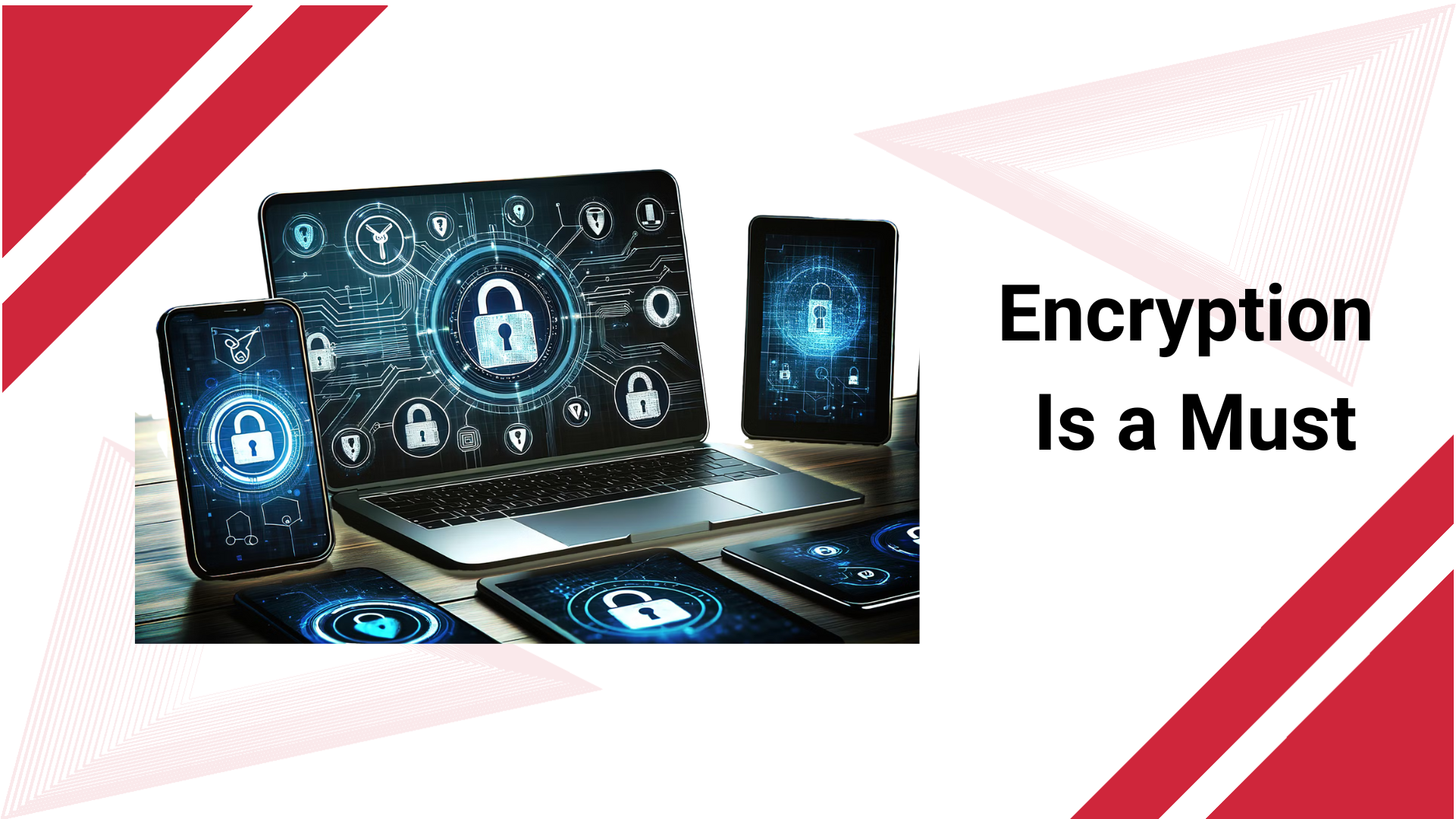
Encryption Is a Must
Encryption is like an unbreakable lock for your files, ensuring only approved users can open them. The best tools encrypt files not just while they are stored on servers, but also during transit.
Always seek services that employ strong encryption standards like AES-256 or better. This level of protection means your files remain secure even if someone manages to intercept them while they are being sent.
Control Who Gets Access
You absolutely need precise control over who can see each file, what actions they can perform (like viewing, editing, or downloading), and when their access automatically expires.
This granular control dramatically limits potential data exposure. Opt for platforms that offer role-based permissions and detailed access logs, which provide invaluable accountability for your entire file-sharing process.
Legal-Specific Features You Should Look For
Some platforms are specifically designed with the unique needs of legal firms in mind. These often come equipped with secure client portals, which offer a safe, dedicated space for client communication and document exchange.
Features like comprehensive activity tracking and immutable audit trails are also crucial, helping you meet stringent legal standards and providing a clear record for compliance. These specialized features make sharing seamless and secure for both your team and your clients.
Cloud Sharing with the Right Safeguards
Cloud sharing can be incredibly secure and efficient for law firms, but only if implemented correctly. Choose cloud providers with an established track record in legal technology or those known for enterprise-grade data protection.
Critically, ensure your chosen provider offers data residency options, allowing you to guarantee your data is stored in specific geographical locations, and can unequivocally confirm compliance with all relevant local privacy laws.
Train Your Team on Safe Sharing Habits
Even the most advanced security software is only as strong as its weakest link: the human element. It’s imperative that all staff thoroughly understand safe sharing rules and how to identify potential risks.
Your training program should cover common threats like phishing, best practices for securing devices, and the correct, consistent use of your chosen secure file sharing platform. Regular refreshers are key to keeping everyone sharp and protected.

Build Secure Workflows, Not Just Tools
Your firm’s entire file process, from initial upload to sharing and eventual archiving, must be built on a foundation of security. Powerful technology needs to be supported by strong, clearly defined policies.
Outline precise steps for document approval, access permissions, and sharing limits. Never rely on informal habits, like casually emailing sensitive files, as this introduces unacceptable risk.
Make Secure Sharing Part of Your Firm’s Reputation
Clients entrust you with their most sensitive matters, and they rightfully expect the highest level of discretion and protection. Being able to confidently state that your firm utilizes top-tier secure file sharing isn’t just about compliance; it’s a powerful selling point.
It underscores your professionalism, solidifies client trust, and significantly reduces your firm’s overall risk in an era where data breaches are unfortunately becoming increasingly common.
Conclusion
For any law firm, handling legal documents means secure file sharing isn’t just a suggestion; it’s a critical foundation. It’s how you protect your clients’ deepest confidences, fulfill your professional and legal duties, and ultimately strengthen your firm’s reputation. You simply cannot afford to take chances with tools that don’t offer complete control and robust protection.
Adivi understands the unique security and compliance needs of law firms. They specialize in helping legal practices like yours choose and implement file sharing solutions built specifically for this demanding environment.
FAQs
Why is file sharing risky for law firms?
Because legal files often include sensitive client information that can be misused if leaked.
Is using email for file sharing secure enough?
No. Email lacks strong encryption and access controls. It’s easy to intercept or send to the wrong person.
What is end-to-end encryption?
It means files are encrypted from the moment you send them until the moment the approved user opens them.
Can I use Google Drive or Dropbox for legal files?
Only if configured properly with encryption and access control. Many firms prefer tools built specifically for legal work.
What features should legal file-sharing tools include?
Encryption, access control, audit trails, and secure client portals.
How do I know if my system is compliant with legal standards?
Check if your sharing tools align with data privacy laws and your region’s bar guidelines.
What is a secure client portal?
A portal is a private space where clients can upload and access documents without using email or public cloud links.
How can I limit who sees a file?
Use tools with role-based permissions. You can allow read-only access or set expiration dates for links.
What happens if someone shares a file by mistake?
Good platforms let you revoke access immediately. Always review access logs and train staff to report incidents quickly.
Does secure sharing slow down my workflow?
Not if you use the right tools. Many platforms are built to make sharing easy and secure at the same time.