Technology plays a crucial role in helping non-profit organizations become more efficient and make a bigger impact. This article explores how non-profits are harnessing the power of digital tools to enhance their operations, reach more people, and achieve their goals more effectively.
We will look at the various ways technology is being used by non-profits and why it’s so important in our increasingly digital society. Whether it’s through social media, data management systems, or online fundraising platforms, technology is a game-changer for many organizations working for a good cause.
Join us as we dive into the world of non-profits and technology, and discover how digital tools are not just optional extras but essential components for growth and success in the sector.
Let’s get inspired to think about how technology can elevate the work of non-profits and drive meaningful change.
Understanding the Digital Landscape for Non-Profits
Non-profit organizations face several technological challenges that can impact their ability to operate effectively in the digital world. One common issue is limited resources.
Many non-profits struggle with tight budgets, which can make it difficult to invest in new technology or even maintain existing systems. This lack of funding can prevent these organizations from accessing the latest tools that could improve their efficiency and reach.
Another significant challenge is the skill gap. Non-profits often rely on volunteers and may not have the personnel with the necessary tech skills to manage complex digital systems.
This can hinder their ability to implement sophisticated data management or analytics solutions that could enhance decision-making and strategy development. The digital divide between different types and sizes of non-profits is also notable.
Larger organizations typically have more resources to dedicate to technology, which allows them to leverage advanced tools for data analysis, online fundraising, and community engagement. In contrast, smaller non-profits may lack the capacity to utilize these technologies, limiting their growth and impact.
This disparity creates an uneven playing field in the non-profit sector, where well-resourced organizations can benefit more from digital advancements while smaller entities may fall further behind. Addressing these challenges is crucial for leveling the field, and the right IT services for nonprofits can help organizations use technology more effectively to expand their impact.
Key Technologies Powering Non-Profit Growth
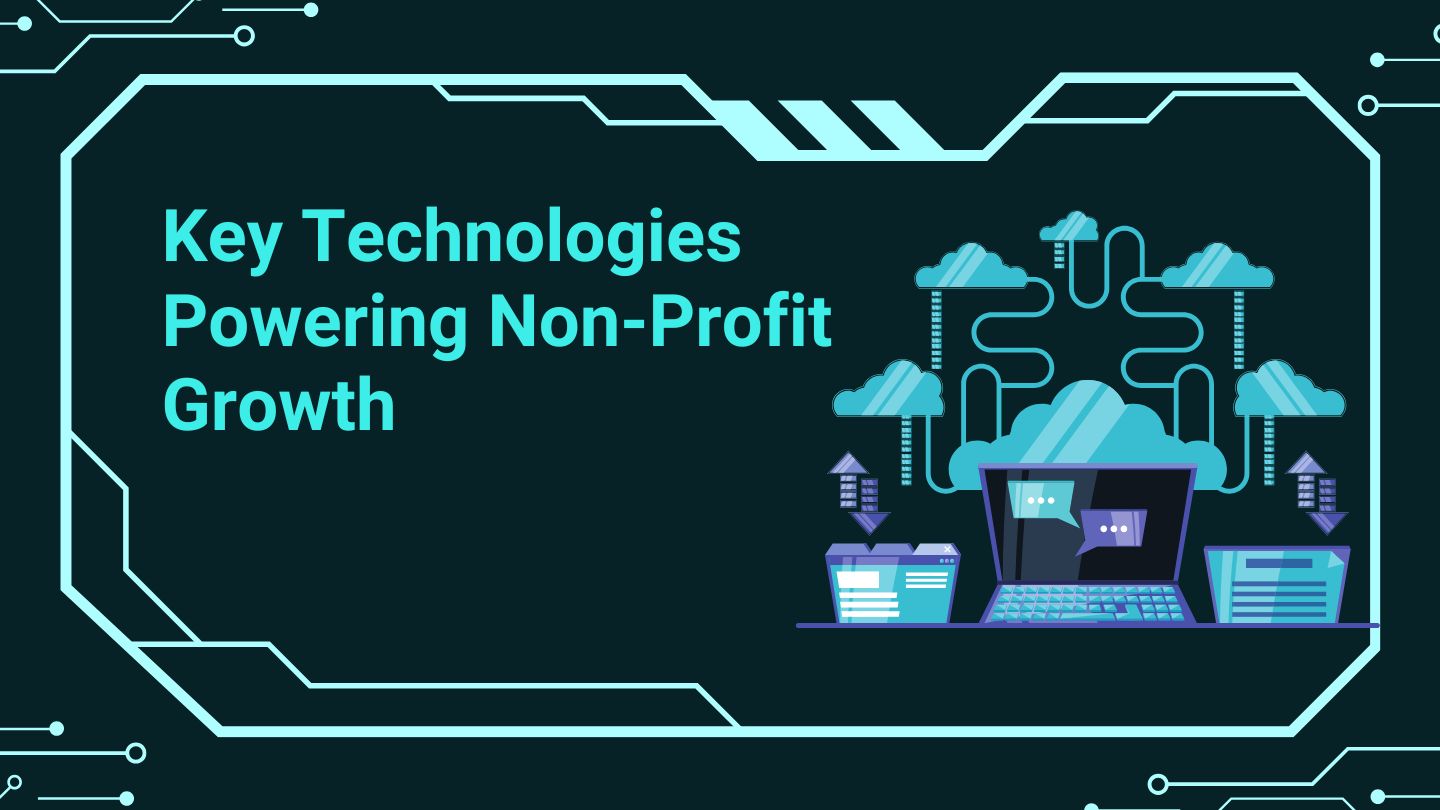
For non-profit organizations aiming to expand their impact and streamline their operations, embracing key technologies is crucial. Here are some of the essential technologies that are pivotal in the functioning of non-profits today:
Cloud Computing for Data Management
Cloud computing has revolutionized the way non-profits manage their data. By utilizing cloud computing services, organizations can store vast amounts of information securely online, allowing for easy access from anywhere at any time.
This flexibility is particularly beneficial for non-profits that operate across multiple locations or rely on remote staff and volunteers. Cloud solutions also offer scalable storage options, making them cost-effective and adaptable to the organization’s changing needs.
Mobile Technology for Outreach and Engagement
Mobile technology has become a cornerstone for effective outreach and engagement strategies within the non-profit sector. With the widespread use of smartphones, non-profits can reach a broader audience through mobile-optimized websites, apps, and social media campaigns.
This technology enables organizations to disseminate information quickly, gather instant feedback, and mobilize support during critical moments. Additionally, mobile platforms facilitate direct communication with stakeholders, enhancing relationship-building efforts.
Analytics for Tracking Donations and Engagement Metrics
Analytics tools are vital for non-profits to monitor and evaluate their operations and campaigns. By analyzing data on donations and engagement metrics, non-profits can gain insights into donor behaviors, identify trends, and optimize their fundraising strategies.
Analytics also help organizations measure the effectiveness of their outreach efforts, allowing them to tailor their approaches based on concrete data and thus improve engagement and increase support.
How Non-Profits Use Technology for Fundraising
Technology has dramatically transformed the landscape of fundraising for non-profit organizations, introducing more innovative and effective methods to garner support. Here’s how technology is being leveraged to enhance fundraising efforts:
Crowdfunding Platforms
Crowdfunding platforms like Kickstarter, GoFundMe, and Indiegogo have opened new avenues for non-profits to raise funds by reaching out to a larger, more diverse audience.
These platforms allow non-profits to create compelling campaigns, share their stories, and attract small donations from a large number of people worldwide. They also provide tools for sharing these campaigns on social media and tracking the progress of fundraising efforts, making it easier to build momentum and engage supporters.
Mobile Payment Solutions
The rise of mobile payment solutions such as PayPal, Venmo, and Apple Pay has made it convenient for donors to support causes they care about with just a few taps on their smartphones. For non-profits, adopting these mobile-friendly payment options means they can cater to a tech-savvy donor base, facilitating spontaneous donations during events or through direct appeals sent via email or social media.
Social Media and Digital Marketing
Social media platforms and digital marketing strategies play a crucial role in non-profit fundraising. By utilizing social media, organizations can engage with followers, share impactful stories, and publicize fundraising events to a vast audience.
Tools like Facebook’s “Donate Now” button or Instagram’s donation stickers make it straightforward for users to contribute without leaving the platform. Digital marketing techniques such as email campaigns, targeted ads, and SEO also help non-profits reach potential donors who are likely to be interested in their cause, thus maximizing the effectiveness of their fundraising efforts.
Leveraging Technology for Better Donor Engagement
Technology plays a crucial role in enhancing donor engagement for non-profit organizations. By utilizing sophisticated tools and systems, non-profits can maintain and strengthen relationships with their donors, ensuring long-term support and involvement.
Here’s how technology is employed to foster better donor engagement:
CRM Systems
Customer Relationship Management (CRM) systems are indispensable for non-profits looking to manage their donor interactions effectively. These systems store valuable data on donors, including their donation history, communication preferences, and personal details such as birthdays or anniversaries.
With this information, non-profits can segment their donor base, tailor their outreach, and ensure that communication is timely and relevant. CRM systems also enable organizations to track donor engagement activities, set reminders for follow-ups, and analyze the effectiveness of their engagement strategies.
Engagement Tools
Various digital tools can enhance donor engagement by facilitating more interactive and responsive communication. Tools like email marketing software and social media management platforms help non-profits to execute targeted campaigns, share updates, and acknowledge donor contributions publicly.
Automated messaging and chatbots can provide instant responses to donor inquiries, making interactions smooth and efficient. Additionally, virtual event platforms can engage donors through webinars, live streams, and online galas, keeping them connected and involved even from afar.
Personalized Communication Powered by Technology
Personalization is key in building strong relationships with donors, and technology significantly amplifies this capability. By harnessing data from CRM systems, non-profits can craft personalized messages that resonate with individual donors.
For example, acknowledging a donor’s previous contributions in an appeal, suggesting donation amounts based on past behavior, or customizing updates based on the donor’s interests can make communication feel more thoughtful and directed. Moreover, technology enables A/B testing of messages to determine which approaches are most effective, allowing for continuous improvement in engagement strategies.
Making Technology Accessible for All Non-Profits
While technology can vastly enhance the capabilities of non-profit organizations, common barriers such as budget constraints, lack of technical expertise, and resistance to change often hinder its adoption. Addressing these challenges is crucial to enable more non-profits to harness the benefits of technology. Here are practical strategies for overcoming these barriers:
Addressing Budget Constraints
Leverage Free and Open Source Software (FOSS)
Numerous technology solutions are available for free or at a reduced cost for non-profits. Tools like Google for Nonprofits offer access to a suite of products that can help organizations operate efficiently without the high costs.
Seek Technology Grants and Partnerships
Many foundations and tech companies offer grants specifically designed to help non-profits acquire and implement technology. Partnerships with local universities or tech firms can also provide access to technology resources and expertise.
Overcoming Lack of Expertise:
Invest in Training and Development
Allocating budget towards training staff and volunteers can build the internal expertise needed to manage and leverage technology effectively. Online courses and webinars offer affordable ways to improve tech skills across the organization.
Utilize Volunteer Tech Experts
Many tech professionals are willing to volunteer their skills for a good cause. Platforms like Catchafire or Taproot provide a means for non-profits to connect with such volunteers who can help with specific technology projects or training.
Combating Resistance to Change:
Demonstrate the Value of Technology
Sharing case studies and success stories from similar organizations can illustrate the tangible benefits of adopting new technologies. This can help to change perspectives and foster a more receptive culture.
Start Small and Scale Gradually
Implementing technology in small, manageable phases can reduce the fear and resistance often associated with major changes. Starting with tools that are easy to use and clearly benefit the organization can help to build confidence and buy-in from all stakeholders.
Implementing Practical Steps:
Conduct a Needs Assessment
Identify the most pressing needs and challenges that technology can solve. This will help prioritize technology investments that offer the highest returns in terms of efficiency and impact.
Develop a Technology Plan
Outline a clear plan that includes goals, budget, training needs, and timelines. A structured approach helps ensure the successful implementation and integration of technology within the organization.
Conclusion
Throughout our discussion, we’ve explored how non-profits use technology for growth, enhancing their operations, fundraising capabilities, donor engagement, and overall impact. From cloud computing and mobile technologies to CRM systems and digital marketing, the right technological tools can transform the way non-profits function, making them more efficient and effective in achieving their missions.
We’ve addressed the common barriers to technology adoption, such as budget constraints, lack of expertise, and resistance to change, and offered practical strategies for overcoming these obstacles. By leveraging free and open-source software, seeking technology grants, investing in training, and tapping into volunteer tech expertise, non-profits can make technology more accessible and integrated into their daily operations.
The transformative power of technology is unmistakable when non-profits harness its potential effectively. It not only streamlines processes and enhances communication but also amplifies fundraising efforts and strengthens donor relationships.
As such, technology should be considered not just as a supplementary tool but as a crucial component of strategy for growth and impact. In embracing this digital evolution, non-profits can discover new opportunities to expand their reach and effectiveness.
Organizations like Adivi exemplify the successful integration of technology in non-profit strategies, serving as a model for others in the sector. By considering technology as an essential ally, non-profits can unlock significant advancements and ensure a sustainable, impactful future.
FAQs
How can technology enhance donor management for non-profits?
Non-profits are increasingly using Customer Relationship Management (CRM) systems to track donor interactions, manage relationships, and streamline fundraising campaigns, ensuring more personalized donor engagement.
What technology solutions support non-profit scalability?
As non-profits grow, scalable technology solutions like cloud-based services help manage increased workloads without the need for additional hires, preventing operational bottlenecks.
How does technology improve fundraising efforts?
Technology platforms that offer easy-to-use donation pages, peer-to-peer fundraising, and mobile giving options can significantly enhance a non-profit’s ability to engage donors and secure funds.
What role does technology play in nonprofit financial management?
Non-profits utilize technology such as financial management and accounting software to support growth, enhance efficiency, and ensure accurate budgeting and financial reporting.
Why is a technology roadmap essential for non-profits?
A technology roadmap aligns technological goals with the broader organizational objectives, ensuring that technology investments directly contribute to achieving the non-profit’s goals and adapting to changes effectively.
How does technology impact communication and marketing for non-profits?
Email marketing and communication platforms enable non-profits to create personalized campaigns, send targeted appeals, and keep supporters informed about their impact, improving donor retention and engagement.
What are the benefits of using project management tools in non-profits?
Project management tools help non-profits ensure smooth collaboration and workflow tracking, especially for those with remote teams or multiple initiatives.
How do non-profits use technology to ensure cybersecurity?
Non-profits can use cybersecurity services to protect donor data and organizational trust while strengthening the security of their digital platforms.
What is the significance of data analytics in non-profit operations?
Data analytics allow non-profits to track outcome metrics, which are crucial for demonstrating accountability and transparency about their financial results and program effectiveness.
How can non-profits make strategic IT investments?
Non-profits need to focus on strategic IT planning which includes regular hardware upgrades, managed IT services, and cloud-based solutions that align with their mission and long-term goals, providing a predictable budget and reducing unplanned costs.