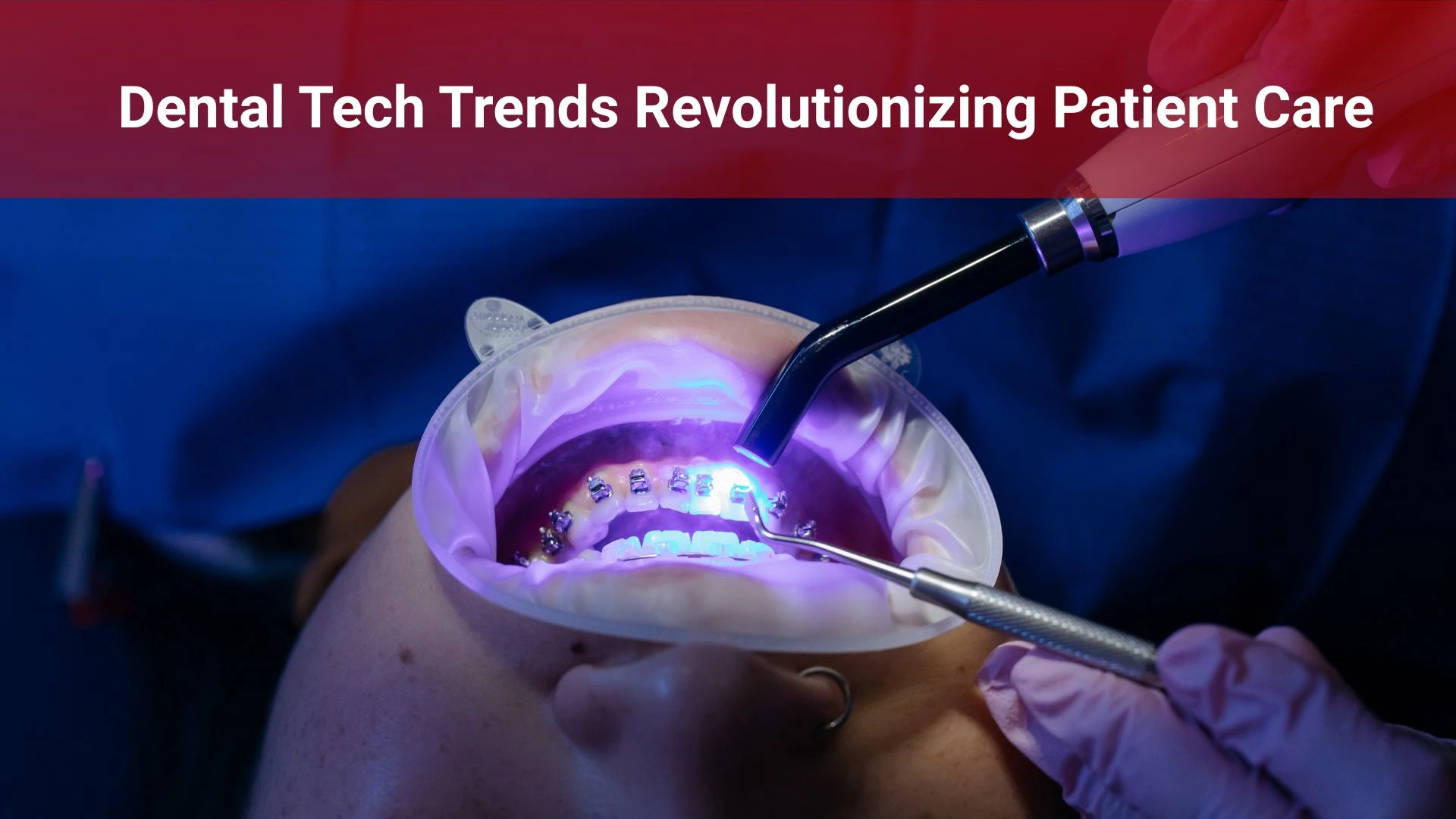
Dental technology has come a long way in just a few years. From high-tech tools that make diagnosis faster to new methods that keep patients more comfortable, the changes are significant.
It’s important for dental professionals to stay informed about these advancements. By doing so, they can provide better care, making treatments more effective and less painful for their patients.
In this article, we’ll explore some of the most exciting dental tech trends that are transforming the way dentists work and enhancing patient care. We’ll look at the tools and techniques that are making a big difference in dental clinics around the world.
Stay tuned to discover how these innovations can benefit both dental professionals and patients, ensuring everyone gets the best possible outcomes from dental care.
Artificial Intelligence and Machine Learning in Dentistry
Artificial Intelligence (AI) and Machine Learning (ML) are transforming the field of dentistry by enhancing the way diseases are diagnosed, treatments are planned, and patient records are managed. These technologies provide tools that help dentists make more accurate diagnoses and more effective treatment plans, often with the added benefit of doing so in less time than traditional methods.
Diagnosis and Treatment Planning
AI algorithms are now able to analyze dental images with precision, identifying issues such as cavities, gum disease, and even early signs of oral cancer that might be missed by the human eye.
For instance, software like Dent.AI uses AI to analyze dental X-rays and scans to spot abnormalities. This software can help dentists in making quicker and more accurate diagnoses.
Efficient Management of Patient Records
AI also plays a crucial role in managing patient data. With the help of AI-powered systems, dental clinics can organize and process large volumes of patient information, including treatment histories and diagnostic records, more efficiently.
Tools like Tab32 and Dentrix Ascend leverage AI to streamline administrative tasks such as scheduling, billing, and record-keeping, making clinics more efficient and reducing the likelihood of human error.
Predictive Analytics
Another emerging application of AI in dentistry is in predictive analytics. Platforms like Pearl utilize AI to predict future oral health issues based on historical data.
This can guide dentists in recommending preventive measures to patients before problems become severe.
The Rise of Teledentistry
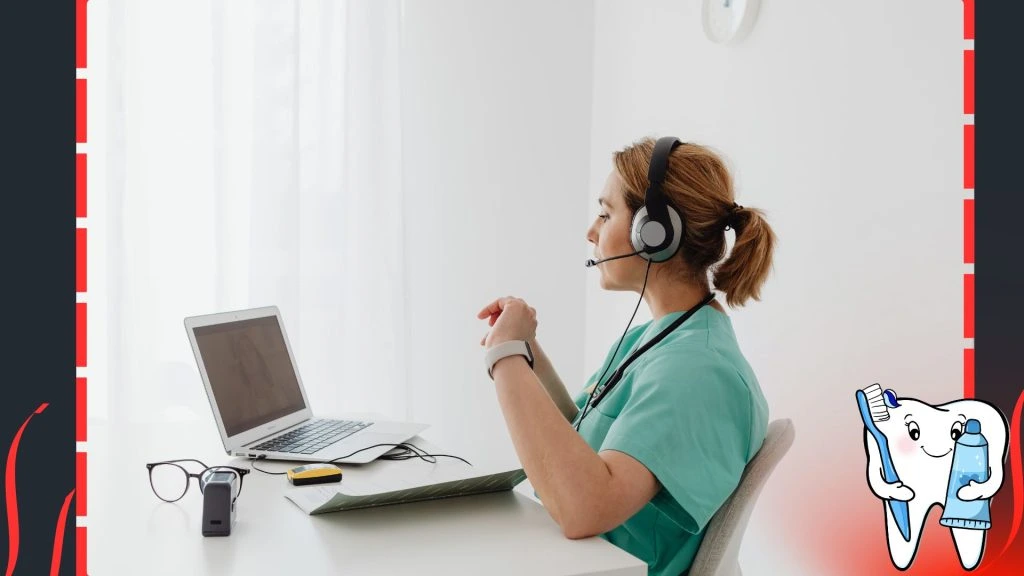
Teledentistry refers to the practice of using digital communication tools to deliver dental care and consultations remotely. This approach gained significant traction during the COVID-19 pandemic as it provided a safe way for patients to access dental advice without needing to visit a clinic in person.
The benefits of teledentistry extend beyond the pandemic, offering convenient and flexible dental care solutions for patients and dentists alike.
Benefits of Teledentistry:
- Accessibility: Teledentistry makes dental care more accessible, especially for people in remote or underserved areas who may not have easy access to dental clinics.
- Convenience: Patients can receive consultations at times that suit them, without the need for travel. This is particularly beneficial for those with mobility issues or those who have busy schedules.
- Preventive Care: Regular virtual check-ups can help catch dental issues before they become severe, reducing the need for more complex treatments later on.
- Cost-Effectiveness: By reducing the need for physical office visits, teledentistry can lower the costs associated with dental care.
Examples of Teledentistry Platforms:
- Denteractive: This platform allows patients to receive immediate dental advice through video consultations, helping them address urgent dental concerns quickly.
- Teledentix: An innovative solution that integrates with existing dental practice software, Teledentix facilitates not only consultations but also comprehensive practice management, including scheduling, record management, and billing, all tailored for remote dental care.
- SmileDirectClub: Well-known for its at-home teeth straightening solutions, SmileDirectClub also offers remote dental assessments, making orthodontic care more accessible without frequent in-office visits.
Advancements in 3D Printing for Dental Use
3D printing technology has revolutionized several industries, and dentistry is no exception. In the dental field, 3D printing is used to create highly precise and custom-fit dental implants, crowns, bridges, and even full dentures.
This technology allows dental professionals to design and manufacture prosthetics that are tailored exactly to the unique contours of a patient’s mouth, enhancing comfort and functionality.
Precision and Customization
The main advantage of using 3D printing in dentistry is its ability to produce dental prosthetics with extreme accuracy.
Using digital scans of a patient’s teeth and gums, dentists can create a detailed 3D model that can then be used to print the dental appliance. This ensures a perfect fit, reducing the discomfort and adjustment period typically associated with traditional prosthetics.
Reduction in Costs and Time
Traditional methods of crafting dental prosthetics are labor-intensive and time-consuming, often requiring multiple appointments. With 3D printing, the production time is drastically reduced.
A prosthetic that might have taken weeks to make can now be ready in a matter of hours or days. Additionally, because the process is mostly automated and uses less material, the costs are significantly lower.
This makes advanced dental treatments more accessible to a broader range of patients, not just those who can afford traditional methods.
Improving Accessibility and Customization
3D printing also allows for greater customization of dental products. Dentists can easily modify the design of a prosthetic to better meet the specific needs or aesthetic preferences of their patients.
This level of customization was difficult to achieve with older methods that were not only slower but also less flexible.
Examples of 3D Printing in Dental Practices:
- Implants and Crowns: Companies like Formlabs offer dental 3D printers that produce implants and crowns tailored to individual patient requirements.
- Orthodontic Devices: Invisalign and other clear aligners are another example of products that benefit from 3D printing, allowing for each aligner to be custom-fitted to the patient’s teeth, facilitating a more efficient and comfortable treatment process.
Enhanced Imaging Technology
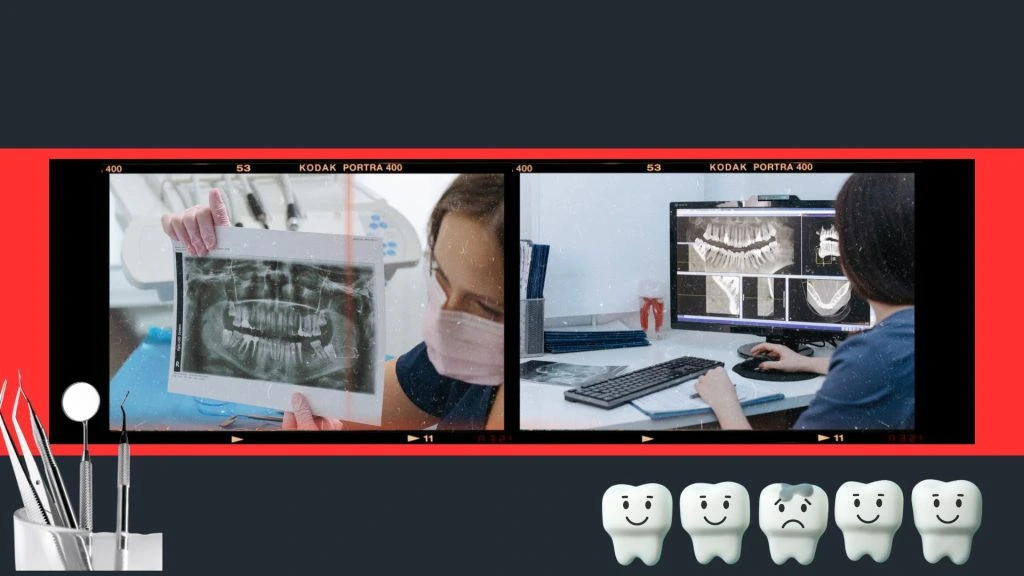
Recent developments in dental imaging technology, such as digital X-rays and intraoral cameras, have significantly improved the quality and safety of dental diagnostics. These advancements offer clearer images, faster results, and lower radiation exposure, enhancing both the diagnostic process and the overall patient experience.
Digital X-rays
Digital X-rays represent a major advancement over traditional film-based X-rays. They use less radiation, which makes them safer for patients, especially those who require frequent imaging.
The digital format also allows for instant image processing, so dentists can quickly assess and diagnose any dental issues during the patient’s visit. Furthermore, digital X-rays provide higher resolution images that can be easily enhanced and zoomed in on, allowing for a more accurate diagnosis of conditions such as cavities, root infections, and bone loss.
Intraoral Cameras
Intraoral cameras are small, pen-like devices that dentists use to take high-definition photos inside a patient’s mouth. These images help in educating patients about their oral health conditions by showing them exactly what is happening in their mouths.
They also assist dentists in monitoring ongoing issues and verifying that treatments are effective. The detailed images captured can be crucial for complex procedures like cosmetic surgeries, where precision is essential.
Benefits of Advanced Imaging Technologies:
- Improved Diagnostic Accuracy: Enhanced imaging technology provides clearer, more detailed views of the teeth and supporting structures, leading to better diagnosis and treatment planning.
- Increased Patient Safety: With lower radiation doses required and non-invasive imaging techniques, these technologies prioritize patient safety.
- Efficiency and Convenience: Faster image processing speeds up the consultation, making dental visits more efficient. Digital files can also be easily stored and shared with other specialists if needed, improving the continuity of care.
- Educational Value: Intraoral cameras, in particular, play an educational role, helping patients understand their diagnoses and treatment options more clearly, which can lead to better patient engagement and compliance with treatment plans.
Smart Dental Devices
Smart dental devices, including advanced toothbrushes and other technologies, are transforming the way we manage oral health at home.
These devices often connect to mobile apps, providing users with real-time feedback on their brushing habits, tips for improvement, and even reminders to floss and rinse. This integration with technology not only enhances the effectiveness of daily oral care routines but also boosts patient engagement and preventive care.
Smart Toothbrushes
Smart toothbrushes are equipped with sensors that monitor the way they are used — tracking the duration, frequency, and thoroughness of brushing. Many models connect to a mobile app via Bluetooth, which analyzes the data to offer personalized feedback and guidance.
For instance, the Oral-B Genius X uses artificial intelligence to recognize your brushing style and guide you to perfect your technique, ensuring that every area of your mouth gets the proper attention.
Other Home Dental Care Technologies
Besides toothbrushes, there are other innovative technologies designed to improve oral health. For example, smart floss dispensers remind users to floss daily and track flossing patterns, encouraging a more consistent routine.
Smart water flossers, like the Waterpik smart flosser, adjust the pressure and timing to suit individual needs, improving gum health effectively. There are also devices like Philips Sonicare’s smart mouthwash dispenser, which provides the right amount of mouthwash for optimal oral hygiene.
Final Thoughts
The rapid advancements in dental technology are reshaping the way we approach oral health, benefiting both dental professionals and patients.
From AI-driven diagnostics to 3D-printed prosthetics, teledentistry platforms, and smart dental devices, these innovations are making dental care more efficient, personalized, and accessible. By embracing these trends, dental practitioners can elevate the quality of their services and ensure patients receive the best care possible.
If you’re looking to integrate cutting-edge dental technology into your practice or stay updated on the latest trends, Adivi can help you navigate the future of dentistry with confidence.
FAQs
How is AI enhancing dental diagnostics?
Artificial Intelligence (AI) is revolutionizing dental diagnostics by increasing accuracy, reducing patient wait times, and enabling early detection of oral health issues.
What benefits does CAD/CAM technology offer in dental practices?
CAD/CAM technology allows for same-day dental restorations, improving patient satisfaction by offering quick, custom-fitted, and visually appealing solutions.
How is teledentistry improving patient care?
Teledentistry facilitates remote dental consultations and follow-ups, enhancing access to dental services, especially in underserved areas, and providing convenience and safety for patients.
What advancements are being made in laser dentistry?
Laser technology is used for various dental procedures such as treating gum disease and preparing cavities, offering benefits like reduced discomfort, faster healing, and minimal bleeding.
Why is there a growing focus on preventive dental care?
Preventive dental care is emphasized to reduce the risk of complex treatments later on, with services like cleanings and fluoride treatments helping to save costs and improve long-term oral health.
What role does digital dentistry play in modern practices?
Digital dentistry streamlines dental processes and improves diagnostic accuracy, significantly enhancing operational efficiency and the overall treatment experience.
How are eco-friendly practices being integrated into dentistry?
Dental practices are adopting eco-friendly approaches such as using biodegradable materials and reducing water usage to minimize environmental impact while catering to eco-conscious patients.
What are the benefits of using 3D printing in dentistry?
3D printing enhances dental treatments by enabling the rapid and cost-effective production of customized dental prosthetics and aligners, improving patient outcomes and satisfaction.
How is patient education being enhanced in dentistry?
Oral hygiene apps and patient education platforms provide personalized care plans, reminders, and interactive content to help patients maintain optimal dental health.
What is the significance of nanotechnology in dental restorations?
Nanotechnology improves the properties of dental materials used in fillings and restorations, such as increased strength and better aesthetics, leading to more durable and natural-looking results.