Cyber threats are growing faster than ever, and small to mid-sized businesses (SMBs) are now one of the biggest targets. Many attackers assume smaller companies have weaker security, limited IT resources, and outdated systems which makes them easy entry points for ransomware, data theft, and financial fraud.
This is why Cybersecurity Consulting Services have become essential. Instead of relying on basic security tools, SMBs can partner with experts who analyze risks, strengthen defenses, and implement strategies that keep the business protected 24/7.
Key Takeaways
- SMBs are now major targets for cyberattacks, making cybersecurity essential.
- Consulting services provide expert-level protection without high in-house costs.
- Security assessments identify vulnerabilities before attackers do.
- Consulting helps SMBs meet compliance requirements and avoid penalties.
- Businesses gain long-term protection through policies, monitoring, and strategic planning.
What Are Cybersecurity Consulting Services?

Cybersecurity consulting helps businesses identify vulnerabilities, implement strong security controls, and build a long-term protection strategy. Consultants provide a full view of your digital environment from networks and servers to cloud apps, endpoints, and user behavior.
This service ensures your business is not only protected from threats today, but better prepared for future risks.
Why SMBs Need Cybersecurity Consulting
1. Rising Cyberattacks on Small Businesses
Over 60% of SMBs experience attempted cyberattacks each year. Many lack dedicated security staff, making consulting vital for protection.
2. Preventing Financial Loss
A single attack can cost thousands in downtime, repairs, fines, and lost business. Cybersecurity consulting reduces risk and strengthens defenses before damage happens.
3. Expert Analysis & Security Planning
Consultants assess your current systems, identify gaps, and create a tailored security roadmap that fits your budget and operations.
4. Compliance Made Easy
Industries like healthcare, finance, retail, and tech require compliance with strict data regulations. Consulting ensures your business meets standards and avoids costly penalties.
5. Protecting Remote & Hybrid Workforces
Remote employees increase risk. Consultants secure endpoints, cloud tools, and communication channels to keep everyone safe.
What Cybersecurity Consulting Usually Includes
- Full security risk assessments
- Vulnerability scanning & penetration testing
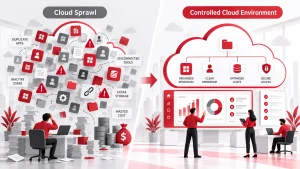
- Firewall, network, and cloud security setup
- Endpoint protection & monitoring
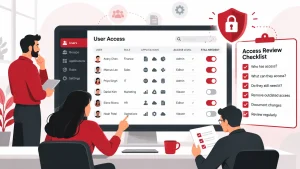
- Password, MFA, and identity management
- Cybersecurity policies & best practices
- Employee security training
- Incident response planning
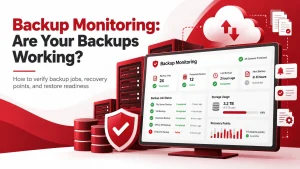
- Data backup and disaster recovery strategy
- Compliance and audit support
These services create a layered defense that protects your business from every angle.
Benefits for SMBs
- Stronger security posture against modern threats
- Reduced risk of ransomware, malware, and data breaches
- Lower costs compared to hiring full-time security staff
- Peace of mind with expert guidance and monitoring
- Better business continuity with strong backup and response plans
- Improved customer trust through enhanced protection
Conclusion
Cybersecurity is no longer optional for SMBs—it’s a necessity. As threats continue to evolve, businesses need expert guidance to protect their data, employees, and customers. Cybersecurity consulting provides SMBs with the right tools, strategies, and monitoring to stay ahead of attackers and minimize risk.
With a strong security foundation, your business can operate confidently, maintain customer trust, and grow without worrying about unexpected cyber threats. Learn more with Adivi now!
FAQs
Why is cybersecurity consulting important for small businesses?
SMBs often lack full-time security staff, so consultants provide the expertise needed to stay protected.
What’s included in a cybersecurity consulting service?
Risk assessments, monitoring, network security, compliance support, and incident response planning.
Is cybersecurity expensive for SMBs?
No, consulting is cost-effective and prevents far more expensive cyber incidents.
Can consultants help with ransomware prevention?
Yes. They implement strong protections, backup strategies, and user training.
How often should SMBs update their security plan?
At least yearly or after major business or tech changes.