If you’re running a business today, customer experience is likely at the top of your priority list. People want quick, easy, and personal interactions—whether they’re asking a question, purchasing, or following up on an issue.
The way you deliver that experience matters. This is where cloud computing comes in. It isn’t just about moving data online. It’s about changing how your team works, how fast you respond, and how well you understand your customers.
In this article, you’ll explore how cloud computing reshapes how businesses support and connect with customers. And you’ll see how Adivi helps companies like yours use cloud solutions to drive better outcomes at every customer touchpoint.
The Rising Role of Cloud Computing in Customer Experience
Customer expectations aren’t what they used to be. People expect 24/7 availability, instant responses, and consistent service across platforms. Meeting those expectations takes more than effort—it takes the right technology.
Cloud computing gives you the tools to keep up. With cloud-based systems, your business can scale faster, access data from anywhere, and reduce delays that frustrate users.
Cloud technology can improve every part of the customer journey, whether through real-time chat, personalized email campaigns, or AI-driven support. And it’s not just for large companies. Small and mid-size businesses are using cloud tools to deliver the same service people expect from global brands.
As more companies shift their customer service to the cloud, those who don’t risk falling behind. The good news is, with help from Adivi, you can make the move smartly and sustainably. Let’s look at how cloud computing impacts key parts of the customer experience.
What Is Cloud Computing and Why Does It Matter for CX?
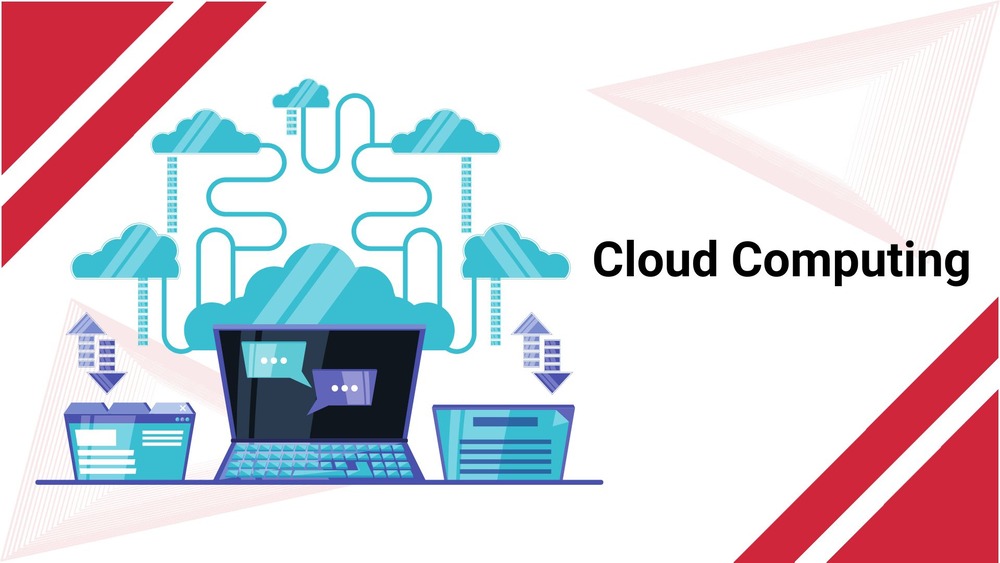
Cloud computing means using the internet to access, store, and use data, software, and services. You don’t need physical servers or hard drives. Everything runs online, which means more flexibility and fewer limitations.
This matters a lot for customer experience. Cloud systems help you respond faster, support more channels, and meet changing needs. They also mean your team can access the same information from anywhere, making remote work easier and support more consistent.
Depending on your traffic, you can expand or shrink your tools without overpaying. This scalability is ideal during seasonal peaks or unexpected demand.
It saves money. It keeps teams connected. And it ensures your support never lags.
Real-Time Interactions Improve Customer Response
Customers want answers now. Cloud tools allow live chat, instant messaging, and real-time updates.
For example, cloud-based help desks show live customer data and conversation history. You can resolve issues as they come in, and cloud alerts can notify agents when a customer experiences a delay or error.
This speed builds trust. It makes people feel heard. And it helps keep them coming back.
Personalization at Scale with Better Data Use
Cloud computing lets you collect and use data from every interaction. This allows you to understand buying habits, support history, and preferences.
You can send emails with product suggestions based on past behavior. You can set up chatbots that greet users by name. You can adjust your messages depending on location or past issues.
With cloud systems, you don’t need to choose between efficiency and personalization. You can deliver both to thousands of users at once. That’s what turns one-time buyers into loyal customers.
Unified Omnichannel Support Removes Silos
Phone, chat, email, social media—your customers use all of them. Cloud platforms connect those channels.
Support agents see complete histories, marketing teams track campaigns, and everyone gets the same view of each customer. This reduces miscommunication and ensures customers don’t need to repeat themselves.
That means faster answers, fewer mistakes, and better decisions. It also improves team collaboration, because everyone works with the same data.
Speed and Scalability Strengthen Customer Service
Traffic can spike if you run a sale or launch a campaign. Without the cloud, your systems might crash or slow down.
With cloud computing, you can scale up fast, add more users, increase storage, and keep your site and tools running at full speed.
You avoid downtime. You serve more people. And you stay in control. Customers don’t wait. They get a consistent experience no matter how busy your team is.
Cloud AI and Automation Enhance CX Delivery
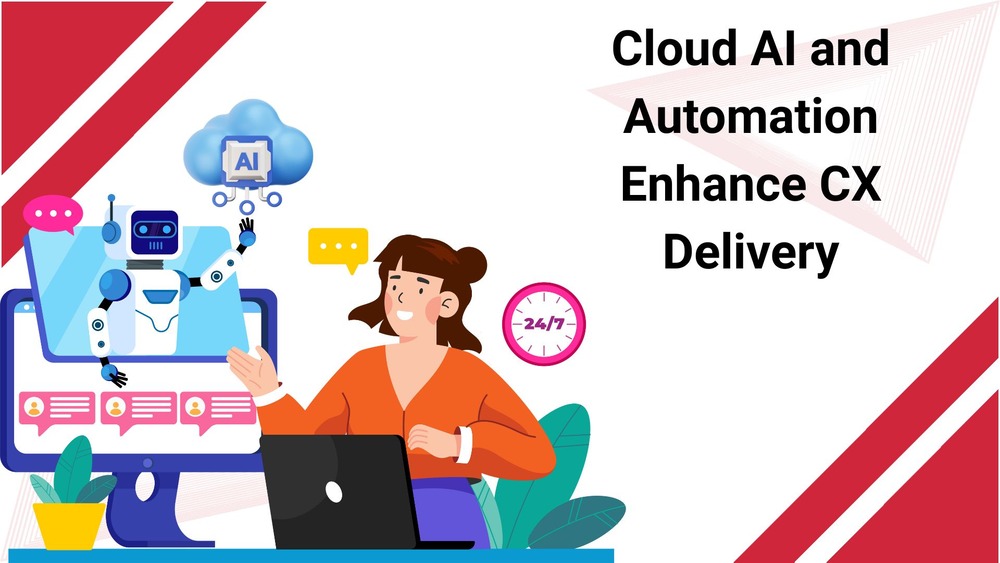
AI isn’t just for big tech companies. Many cloud systems include machine learning that powers more innovative tools.
You can predict what customers might ask, automate ticket routing, send proactive alerts based on behaviour, and analyze tone and sentiment to adjust responses.
Automation cuts wait times, frees your team to focus on high-value work, and smooths every interaction. Customers benefit from fewer delays and better resolutions.
Security and Trust Build Customer Confidence
People care about their privacy. Cloud computing helps you protect it.
Top providers use encryption, two-factor authentication, and regular audits. Many also comply with global standards, such as GDPR.
Secure systems also detect threats faster. Cloud services can lock accounts and alert your team in real-time if there’s a breach attempt or a suspicious login.
Letting your customers know their data is safe gives them peace of mind and strengthens their loyalty.
Cloud Analytics Help You Refine Customer Experience
Cloud systems often come with analytics tools. These help you track key metrics, such as resolution time, satisfaction scores, and conversion rates.
You can see what works. Spot issues early. And make changes that improve the experience over time.
With precise data, you don’t guess. You act. You can A/B test new support flows, monitor their performance, and quickly adjust.
Industry Examples: Cloud Computing on Customer Experience in Action
Retailers like Amazon use the cloud to personalize shopping and recommend real-time products. Their system adjusts based on what you browse, click, or buy.
Banks like Chase offer mobile support and secure login features powered by the cloud. They let customers manage accounts, set up alerts, and even lock cards in seconds.
SaaS companies like Salesforce use cloud systems to manage customer relationships and automate support. Their clients can see every interaction and measure the effectiveness of support.
These companies lead their industries by making cloud computing a part of their strategy.
Challenges to Consider When Implementing Cloud for CX
Cloud computing isn’t plug-and-play. Integration with older systems can be tricky. Some tools don’t communicate well with each other. Vendor lock-in is also a risk.
There can also be internal resistance. Staff need training. Processes may need to change.
Choose providers that offer flexibility. Plan your migration in stages. Test before you scale. Adivi helps clients avoid common pitfalls and build systems that work long term.
The Future of Cloud Computing on Customer Experience
More services are moving to the edge. That means faster load times and better performance close to the user.
Cloud-native apps are becoming the norm. These apps update faster and run smoother across devices. You’ll spend less time maintaining them and more time improving service.
AI is getting smarter. Expect better predictions, more automation, and even more personal support. Voice assistants, intelligent routing, and auto-summarized tickets are just the beginning.
Final Thoughts
Customer expectations won’t slow down, and neither can your service. Cloud computing allows your business to respond quickly, personalize interactions at scale, and grow without disruption. Whether you’re just starting or leading a large enterprise, the cloud supports a responsive and resilient approach to customer experience.
It’s no longer a tech advantage. It’s a requirement for companies that want to stay relevant.
Cloud solutions are a smart place to begin if you’re ready to upgrade how your business serves its customers.
Adivi helps organizations build cloud strategies that match their needs. From planning and implementation to optimization and long-term support, our team works with you every step of the way.
If you’re looking to elevate your customer experience through cloud-first strategies, consider exploring Adivi’s solutions.
FAQs
How does cloud computing improve customer experience?
Cloud computing improves customer experience by enabling faster response times, seamless omnichannel support, and real-time data access. It also allows businesses to scale services quickly and personalize interactions more effectively.
Can small businesses benefit from cloud-based customer experience tools?
Yes. Cloud platforms are often subscription-based, making them affordable for small businesses. They offer access to the same tools large enterprises use, like AI chatbots, automated help desks, and customer analytics.
What role does cloud automation play in customer service?
Automation streamlines repetitive tasks like ticket routing, follow-up emails, and feedback collection. This frees up support teams to handle more complex queries and shortens customer wait times.
Is cloud computing secure enough to handle customer data?
Reputable cloud providers use advanced security features such as encryption, multi-factor authentication, and continuous monitoring. Many also adhere to compliance standards like GDPR and HIPAA.
How do cloud tools support omnichannel customer interactions?
Cloud-based platforms unify communication channels—email, chat, phone, social media—so teams can access a customer’s full interaction history. This ensures consistent support and avoids repetition.
Will switching to the cloud disrupt our existing support operations?
A properly managed migration minimizes disruptions. Partnering with experienced providers like Adivi helps integrate new cloud tools gradually while maintaining service continuity.
What customer insights can we gain from cloud analytics?
Cloud analytics can reveal metrics like resolution speed, satisfaction scores, customer behavior, and service bottlenecks. This helps you make data-driven decisions to improve support quality.
How does cloud computing enable personalization at scale?
Cloud systems aggregate customer data across touchpoints, allowing businesses to deliver targeted messages, product recommendations, and contextual support based on individual preferences and history.
Can cloud platforms handle sudden spikes in customer traffic?
Yes. Cloud infrastructure is scalable by design, allowing you to add resources instantly during peak periods such as product launches, sales events, or seasonal demand surges.
What are some real-world examples of cloud-powered customer experiences?
Retailers like Amazon use cloud data for product recommendations. Banks use secure cloud apps for mobile support. SaaS providers automate support workflows using cloud-based CRMs. These examples show the breadth of what cloud CX can achieve.