Businesses increasingly rely on cloud platforms to store data, run applications, and support remote work. However, moving to the cloud also creates new security considerations.
Cloud security helps organizations protect cloud-based systems, applications, and sensitive information from unauthorized access, cyber threats, and data loss. While cloud security offers many benefits, businesses should also understand the potential challenges before adopting cloud solutions.
This article explains the advantages and disadvantages of cloud security and how businesses can reduce common risks.
Key Takeaways
- Cloud security helps businesses protect data, applications, and systems from cyber threats.
- Benefits include stronger data protection, scalability, centralized management, and improved disaster recovery.
- Challenges include misconfigured resources, compliance concerns, shared responsibility issues, and rising cloud costs.
- Businesses can reduce risks through access controls, security monitoring, employee training, and reliable backup strategies.
What Is Cloud Security?
Cloud security refers to the technologies, processes, and controls used to protect cloud-based systems, applications, and data.
It helps businesses secure information stored in cloud environments through measures such as:
- Identity and access management
- Data encryption
- Security monitoring
- Threat detection
- User authentication
Unlike traditional security approaches that focus mainly on physical infrastructure, cloud security requires businesses and cloud providers to work together to protect digital resources.
Advantages of Cloud Security
Improved Data Protection
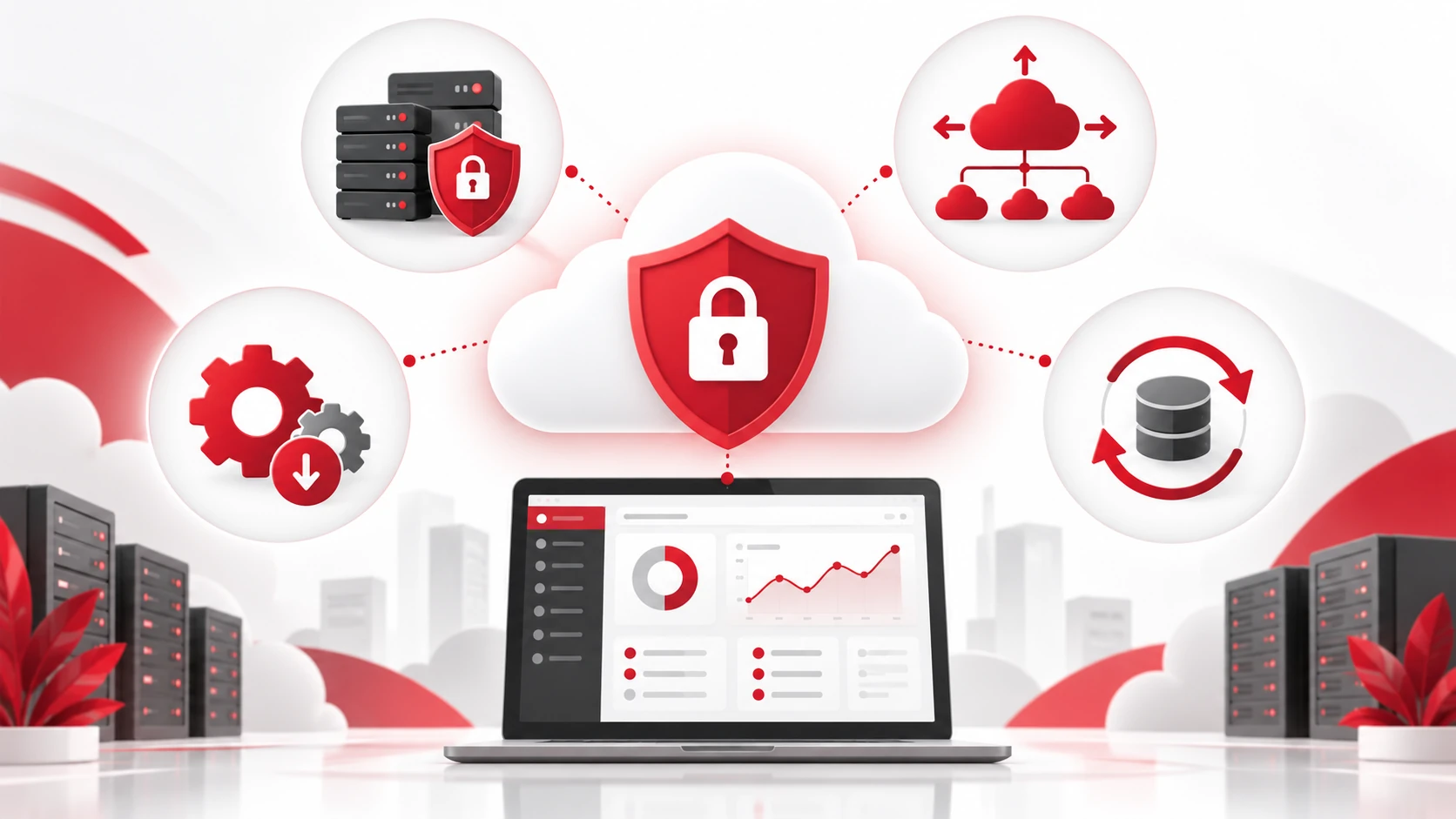
One of the biggest advantages of cloud security is stronger protection for business data.
Cloud security solutions can help protect sensitive information through:
- Data encryption
- Access controls
- Security monitoring
- Automated threat detection
These measures help reduce the risk of unauthorized access and data breaches.
Scalability and Flexibility
Cloud security allows businesses to adjust their security resources as their needs change.
As companies grow, they can scale cloud environments without investing heavily in additional physical infrastructure. This flexibility is especially useful for businesses managing changing workloads, remote employees, or expanding operations.
Reduced IT Maintenance
Cloud security can reduce the amount of time businesses spend managing security infrastructure.
Cloud providers typically maintain the underlying infrastructure, apply updates, and provide built-in security features. This allows internal teams to focus on business operations while maintaining stronger security controls.
Better Disaster Recovery and Business Continuity
Cloud security supports business continuity by helping organizations protect important systems and data during unexpected events.
Cloud-based backup and recovery solutions can help businesses restore access to critical information after incidents such as hardware failures, cyberattacks, or system disruptions.
Adivi’s data backup and disaster recovery services help businesses prepare for data loss and improve recovery processes.
Centralized Security Management
Cloud security allows businesses to manage security controls from centralized platforms.
This can improve visibility into:
- User activity
- Access permissions
- Security events
- Potential threats
Centralized management makes it easier for organizations to identify issues and respond quickly.
Disadvantages and Challenges of Cloud Security
Misconfigured Cloud Resources
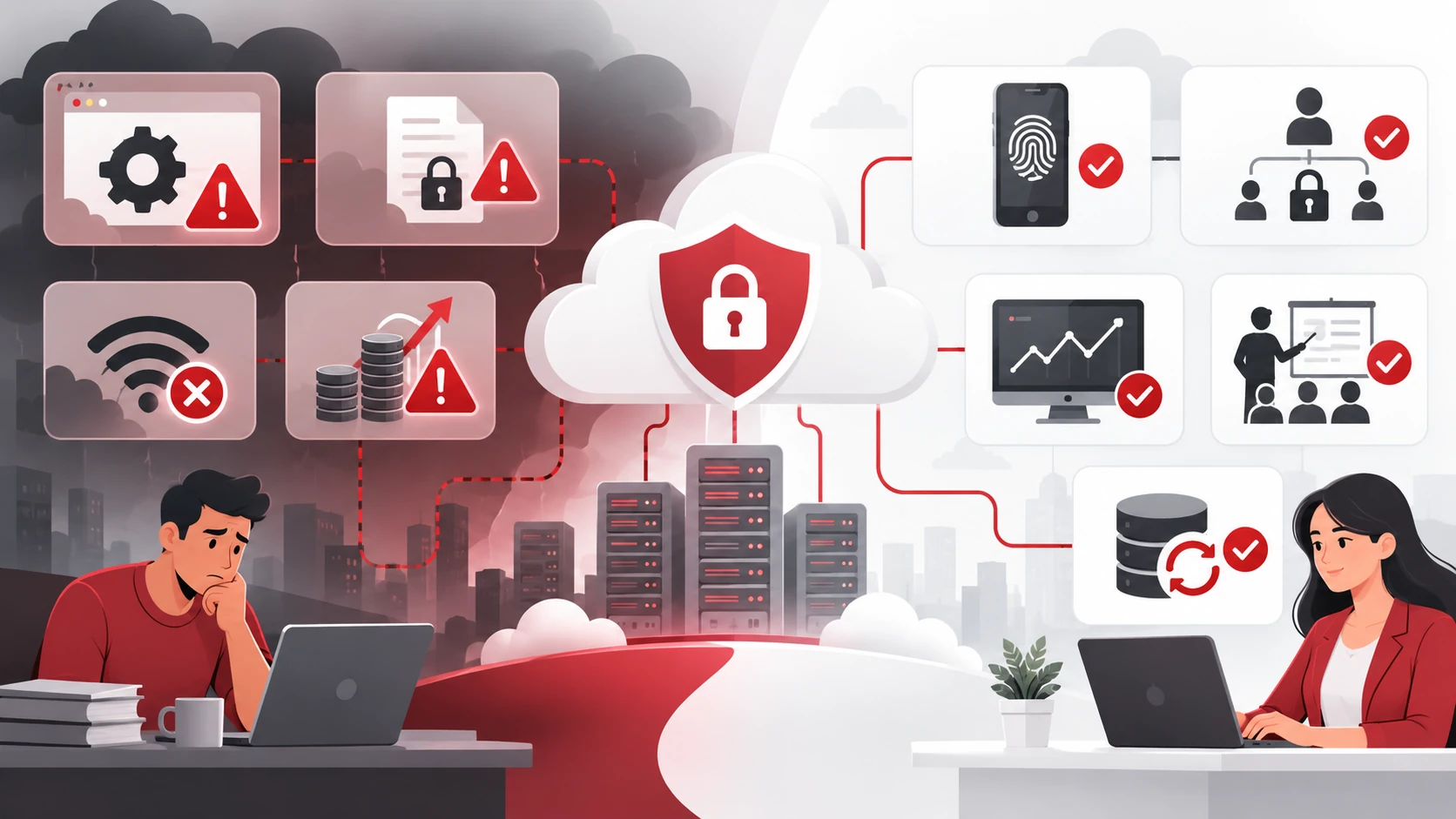
Cloud environments can become vulnerable when settings are incorrectly configured.
Common issues include:
- Excessive user permissions
- Publicly exposed data
- Incorrect security settings
Regular security reviews and proper access management can help reduce these risks.
Shared Responsibility Challenges
Cloud security follows a shared responsibility model.
Cloud providers are responsible for securing the underlying cloud infrastructure, while businesses are responsible for protecting their data, users, applications, and configurations.
A lack of understanding about these responsibilities can lead to security gaps.
Compliance and Data Privacy Concerns
Businesses that handle sensitive information may need to consider security requirements related to data protection and privacy.
Organizations should understand where their data is stored, who can access it, and what security controls are available within their cloud environment.
Dependence on Internet Connectivity
Cloud services rely on internet access. If connectivity issues occur, employees may experience difficulty accessing applications or data.
Businesses should have backup connectivity options and recovery plans to minimize disruption.
Potentially Higher Costs Without Proper Management
Although cloud services can reduce infrastructure costs, expenses can increase without proper planning.
Common causes of unnecessary cloud spending include:
- Unused resources
- Poor resource management
- Lack of monitoring
- Over-provisioned services
Regular reviews can help businesses optimize their cloud environment.
How Businesses Can Reduce Cloud Security Risks
Businesses can strengthen cloud security by implementing:
Multi-Factor Authentication
MFA adds an additional layer of protection by requiring users to verify their identity before accessing systems.
Strong Access Controls
Businesses should limit user access based on job responsibilities and regularly review permissions.
Regular Security Monitoring
Monitoring cloud environments helps identify suspicious activity and potential security issues before they become larger problems.
Employee Security Training
Employees should understand how to identify phishing attempts, protect credentials, and follow secure data handling practices.
Reliable Backup and Recovery Planning
Cloud security should work together with a strong backup strategy. Maintaining secure backups helps businesses recover important information after accidental deletion, cyberattacks, or system failures.
Should Businesses Use Cloud Security?
Cloud security is valuable for businesses that rely on digital systems, remote collaboration, and online applications.
While cloud environments introduce new security challenges, the right controls can help organizations protect their data while gaining the flexibility and scalability of cloud technology.
Businesses that combine cloud security with strong access management, monitoring, cybersecurity practices, and recovery planning can create a more resilient technology environment.
How Adivi Helps Businesses Secure Cloud Environments
Managing cloud security requires the right combination of technology, processes, and expertise.
Adivi helps businesses strengthen their cloud environments through cloud computing services, cybersecurity solutions, and managed IT support.
With the right approach, businesses can improve cloud security, protect important data, and maintain reliable operations as their technology needs evolve.
Final Thoughts
Cloud security provides businesses with important benefits, including stronger data protection, scalability, centralized management, and improved recovery capabilities.
However, organizations must also address challenges such as misconfigurations, compliance concerns, and access management risks.
By understanding both the advantages and disadvantages of cloud security, businesses can make informed decisions and build a safer cloud environment.
Frequently Asked Questions
What are the advantages of cloud security?
Cloud security helps businesses protect data, manage access, improve scalability, reduce IT maintenance, and support disaster recovery.
What are the disadvantages of cloud security?
Common challenges include cloud misconfigurations, shared responsibility issues, compliance concerns, internet dependency, and unexpected costs.
Is cloud security safer than traditional security?
Cloud security can provide strong protection when properly configured and managed. However, security depends on the controls implemented by both the cloud provider and the business.
Who is responsible for cloud security?
Cloud security follows a shared responsibility model. Cloud providers secure the infrastructure, while businesses are responsible for protecting their data, users, applications, and configurations.
How can businesses improve cloud security?
Businesses can improve cloud security by using MFA, managing user permissions, monitoring systems, training employees, and maintaining reliable backup and recovery processes.