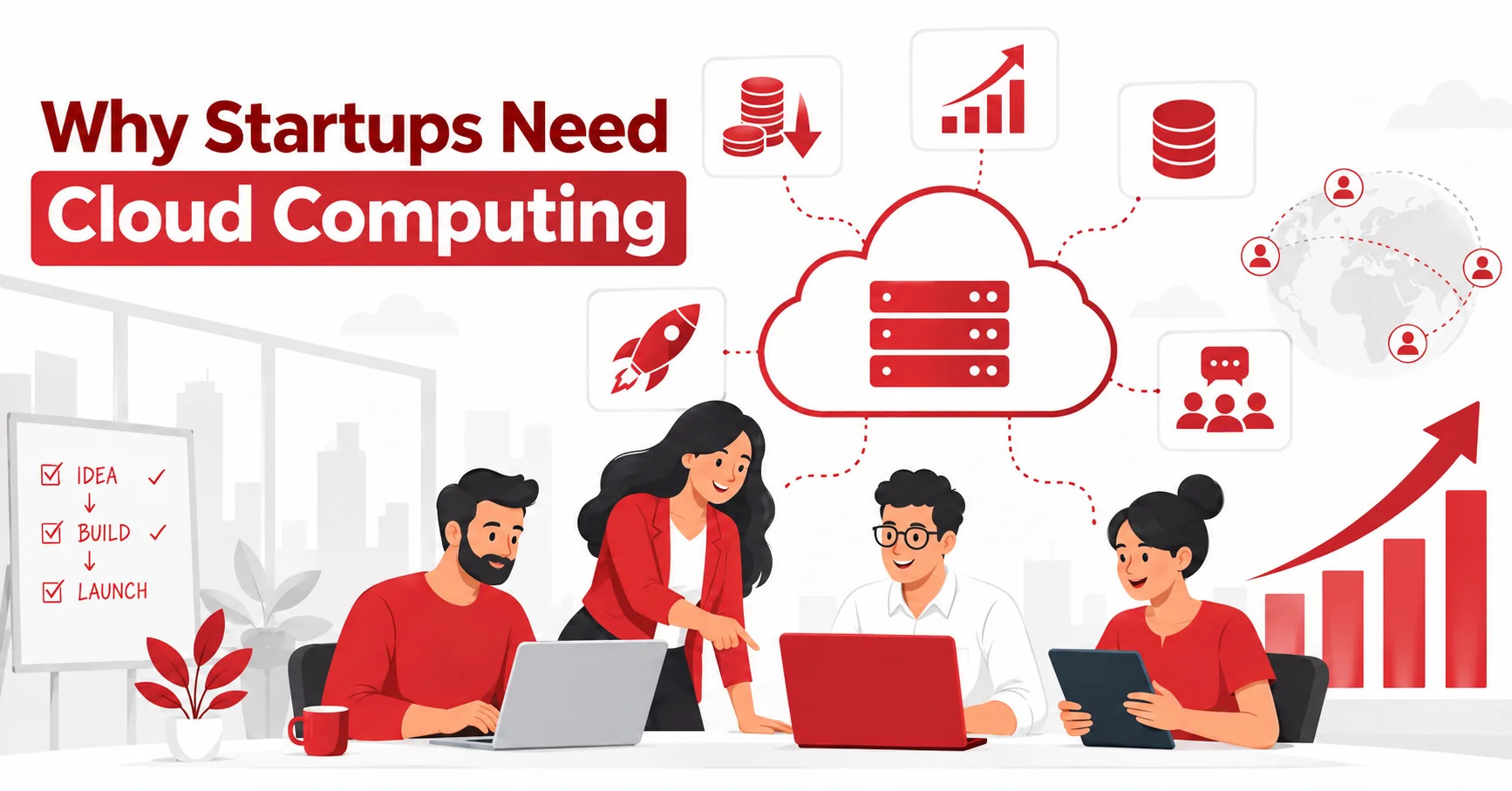
Startups need technology that supports growth without requiring large upfront investments. However, building and maintaining traditional IT infrastructure can be expensive and time-consuming, especially for companies with limited budgets and small teams.
Cloud computing gives startups access to servers, storage, applications, and other technology resources through the internet. Instead of purchasing and managing physical infrastructure, startups can use flexible cloud solutions that scale as their business grows.
From reducing costs to improving flexibility, cloud computing helps startups build a reliable technology foundation while focusing on product development, customers, and growth.
Key Takeaways
- Cloud computing helps startups reduce upfront technology costs.
- Startups can scale resources as their business needs change.
- Cloud platforms support remote work and collaboration.
- Cloud solutions help startups launch products faster.
- Proper security and cost management are still important.
What Is Cloud Computing for Startups?
Cloud computing allows startups to access technology resources such as servers, storage, databases, applications, and software through cloud platforms instead of relying on physical infrastructure.
For startups, this means they can use the tools they need without investing heavily in hardware, maintenance, and dedicated IT resources.
Common cloud services used by startups include:
- Cloud storage
- Application hosting
- Database management
- Collaboration tools
- Backup solutions
- Business applications
By choosing the right cloud services, startups can build the technology environment they need today while preparing for future growth.
Why Do Startups Need Cloud Computing?
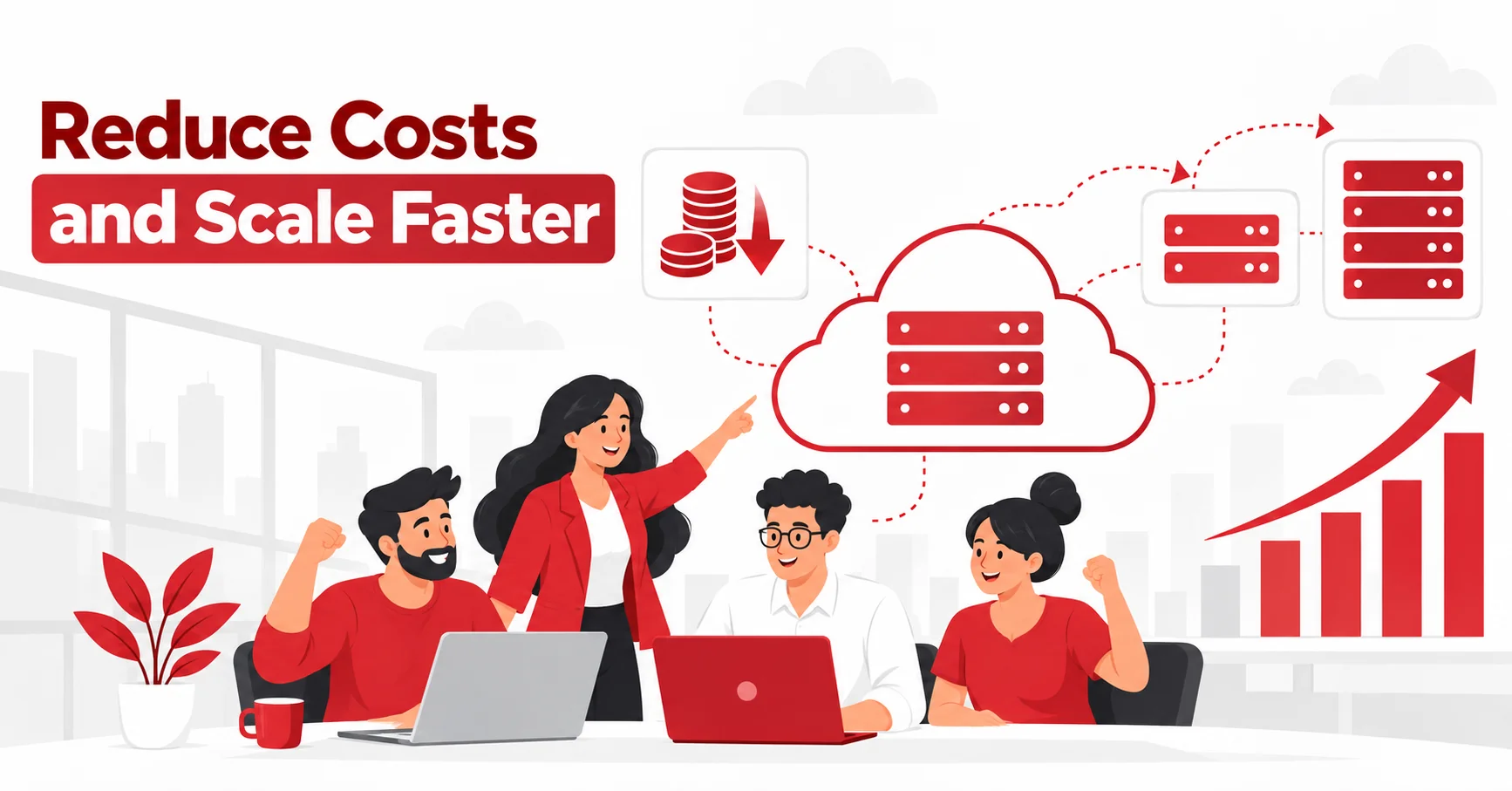
Reduces Initial IT Costs
One of the biggest challenges for startups is managing limited resources. Traditional IT infrastructure often requires significant spending on:
- Servers
- Storage equipment
- Networking hardware
- Maintenance
- IT management
Cloud computing reduces the need for many upfront investments by allowing startups to access technology through flexible pricing models.
This helps startups allocate more resources toward important areas such as product development, marketing, and customer growth.
However, startups should still monitor cloud usage to avoid unnecessary expenses. Adivi’s guide on cloud computing costs explains common pricing factors and ways businesses can manage spending.
Makes Scaling Easier
Startups often experience rapid changes as they gain customers and expand operations. Cloud computing allows businesses to increase or reduce resources based on demand.
For example, a startup launching a new application can add computing power and storage as more users join the platform. This flexibility allows businesses to grow without being limited by physical infrastructure.
Helps Launch Products Faster
Speed is important for startups. Cloud platforms allow businesses to quickly set up applications, test ideas, and deploy new products without waiting for hardware purchases or complex infrastructure setups.
By reducing time spent managing technology, startup teams can focus more on improving products and serving customers.
Supports Remote Work and Collaboration
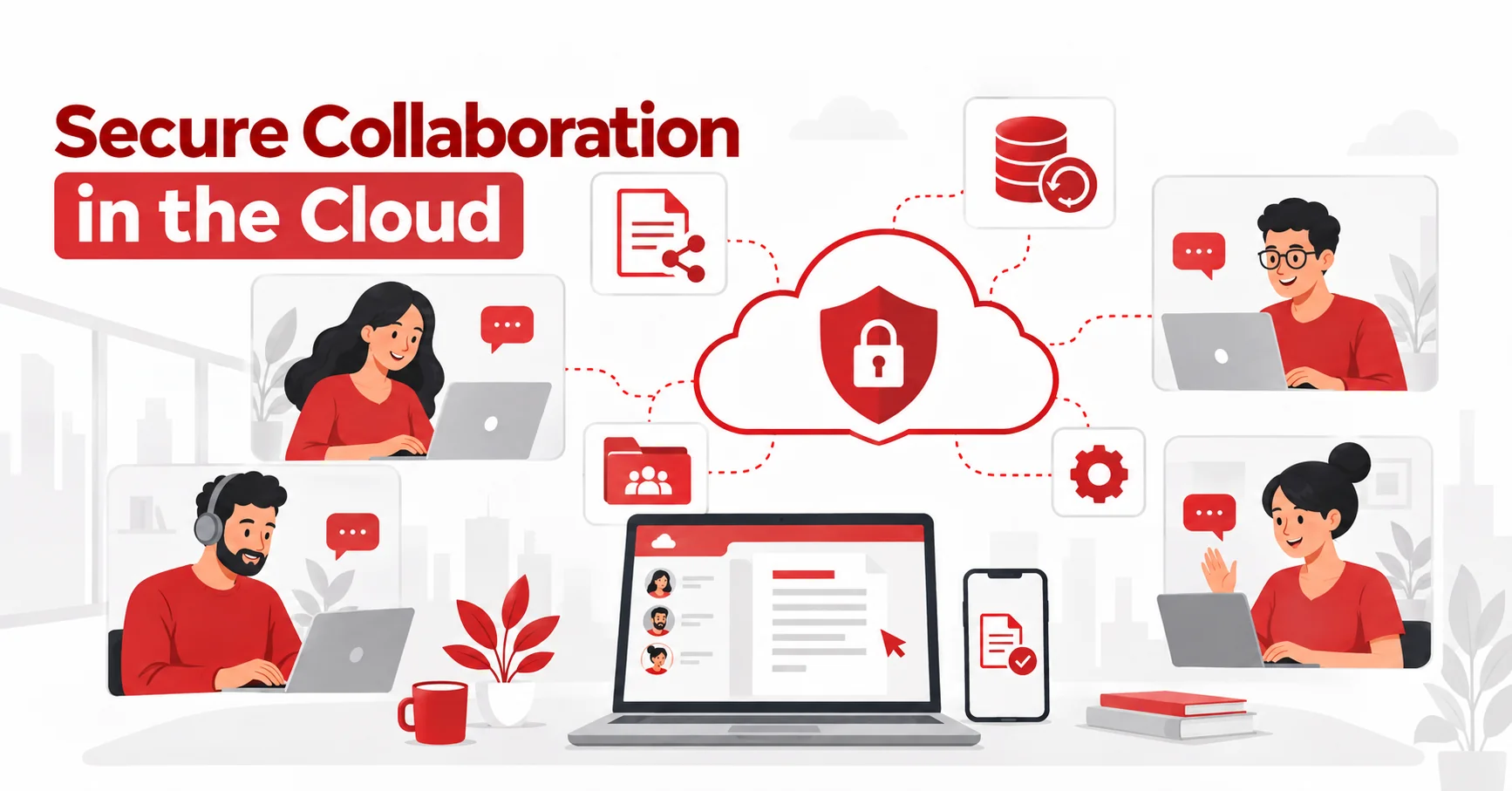
Many startups rely on remote teams or flexible work arrangements. Cloud computing allows employees to securely access applications, files, and business tools from different locations.
Cloud-based solutions help teams:
- Share information more easily
- Collaborate on projects
- Access important resources remotely
- Maintain productivity across locations
Startups should still protect cloud environments with security measures such as multi-factor authentication, access controls, and strong password policies.
Improves Data Backup and Recovery
Startups depend on digital information, including customer data, financial records, product files, and business documents.
Data loss caused by hardware failure, accidental deletion, or cyberattacks can disrupt operations. Cloud-based backup solutions help startups maintain copies of important information and recover faster after unexpected events.
Adivi’s data backup and disaster recovery services help businesses protect critical data and prepare for downtime.
Provides Access to Advanced Technology
Cloud platforms allow startups to use advanced tools without building every capability internally.
Depending on their needs, startups can use cloud solutions for:
- Data analytics
- Application development
- Automation
- Storage
- Business software
This allows smaller businesses to access technology that would otherwise require significant investment.
Cloud Computing Challenges Startups Should Consider
While cloud computing offers many benefits, startups should also consider potential challenges.
Managing Cloud Costs
Cloud services can reduce upfront expenses, but costs can increase if resources are not managed properly.
Common causes of unnecessary cloud spending include:
- Unused resources
- Excess storage
- Poor configurations
- Lack of monitoring
Regularly reviewing cloud usage helps startups control expenses.
Protecting Cloud Environments
Cloud providers offer security features, but startups are still responsible for protecting their accounts, applications, and data.
Important security practices include:
- Using multi-factor authentication
- Managing user permissions
- Monitoring account activity
- Protecting sensitive information
Startups can strengthen their security approach with Adivi’s cybersecurity services.
How Startups Can Use Cloud Computing Effectively
Startups can get more value from cloud computing by following a few best practices:
Start With Essential Services
Start with cloud solutions that provide immediate value, such as:
- Data storage
- Application hosting
- Collaboration tools
- Backup solutions
Businesses can expand their cloud environment as their needs grow.
Monitor Usage Regularly
Reviewing cloud resources helps identify unused services and areas where costs can be reduced.
Maintain Strong Security Practices
Startups should protect cloud environments with:
- Strong authentication
- Limited user permissions
- Security monitoring
- Regular access reviews
How Adivi Helps Startups Use Cloud Computing
Choosing and managing cloud solutions can be challenging for startups without dedicated IT resources.
Adivi helps businesses plan, implement, and manage cloud environments through its cloud computing services. With the right cloud strategy, startups can improve flexibility, support growth, and build a reliable technology foundation.
Adivi also provides managed IT services to help businesses manage technology systems and receive ongoing IT support.
Final Thoughts
Cloud computing gives startups access to flexible and scalable technology without requiring large investments in physical infrastructure.
By adopting cloud solutions, startups can reduce costs, scale more easily, support remote teams, and launch products faster. However, successful cloud adoption requires proper planning, security practices, and cost management.
With the right approach, cloud computing can help startups create a strong technology foundation for long-term growth.
Frequently Asked Questions
Why do startups use cloud computing?
Startups use cloud computing because it provides flexible technology resources without requiring large upfront investments in hardware and infrastructure.
How does cloud computing help startups save money?
Cloud computing reduces the need for physical servers, hardware purchases, and infrastructure maintenance. Startups can also adjust resources based on their current needs.
Is cloud computing secure for startups?
Cloud computing can provide strong security features, but startups must still manage access controls, authentication, and data protection practices.
What cloud services do startups need?
Common cloud services for startups include storage, application hosting, databases, collaboration tools, backup solutions, and business applications.
Should startups move everything to the cloud?
Not necessarily. Startups should evaluate their business needs, budget, security requirements, and growth plans before moving systems to the cloud.