When it comes to safeguarding your business’s most valuable asset, its data terms like Data Loss Prevention (DLP) and data backup often come up. While they might sound similar or even interchangeable, they serve very different purposes. Both are essential, but they’re not two sides of the same coin.
Think of DLP and data backup as two highly specialized guardians on your data security team. Each plays a unique role, and understanding their differences is crucial to building a truly resilient defense strategy. Let’s break down what each one does, why you need both, and how they work together to protect your sensitive information.
Explore more insights and solutions at Adivi.
Key Takeaways
- DLP stops data leaks by controlling data flow.
- Backups make copies to restore data if it’s lost.
- You need both for full protection.
- Testing and training help you get the most from both.
What is DLP?
Imagine a vigilant guard stationed at every exit point of your digital environment. That’s essentially what DLP, or Data Loss Prevention, is. It’s a powerful combination of tools and policies specifically designed to stop sensitive information from ever leaving your business’s control.
DLP constantly monitors how data moves, whether it’s an email, a file being uploaded to the cloud, or even information copied to a USB drive. If it detects any risky sharing or movement of sensitive data (like customer credit card numbers or confidential designs), it can either block the action entirely or send an immediate alert, effectively preventing data leaks before they even happen.
What is Data Backup?
Now, shift your focus to a different kind of protector. Data backup is all about creating duplicates. It’s the straightforward process of making exact copies of your data so that you have a safe version ready to be restored if the original gets lost, corrupted, or wiped out.
Think of it as having a spare key for your house, or a duplicate of an important document stored off-site. Backups are your safety net against a whole host of unfortunate events, but businesses also need to understand what causes data backup failure so they can avoid incomplete, corrupted, or unreliable backups.
The Core Difference: Prevention vs. Recovery
DLP is proactive prevention. Its mission is to control the flow of data and prevent it from leaking or being stolen. It acts before a problem occurs.
Data backup is reactive recovery. It doesn’t prevent data from being lost; instead, it provides you with a safe copy to restore from after data has been compromised or disappeared.
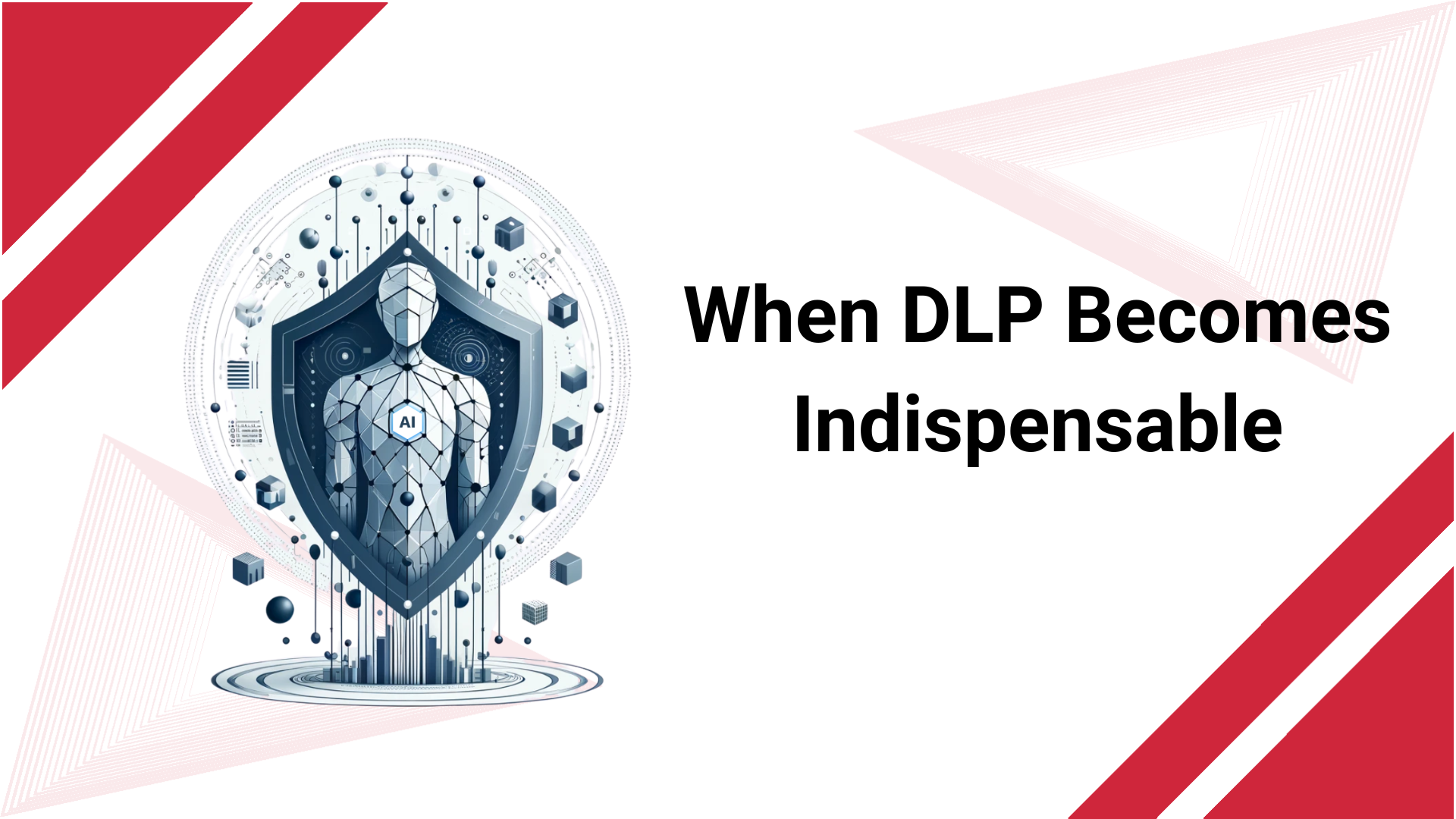
When DLP Becomes Indispensable
You absolutely need DLP if your business regularly handles any form of sensitive information. This includes things like:
Personal details (customer names, addresses, social security numbers)
Financial data (credit card numbers, bank accounts)
Proprietary information (trade secrets, intellectual property, unreleased product plans)
DLP is a lifesaver for meeting legal and regulatory compliance (think GDPR, HIPAA, or PCI DSS) and safeguarding your company’s reputation. It’s especially valuable when data is moving through common channels like email, cloud storage platforms, or file-sharing applications, stepping in to block risky actions that could expose your valuable data.
When Data Backup is Non-Negotiable
The short answer here is: every business needs data backup. No matter your size or industry, you face constant threats to your data. Hardware inevitably fails, human errors are an everyday reality, and sophisticated cyberattacks can wipe out years of work in an instant.
Reliable data backup and recovery is the cornerstone of your disaster recovery plan, allowing you to quickly bounce back from unforeseen events. Without reliable backups, a data loss incident could literally halt your operations indefinitely.
How These Two Protectors Team Up
It’s vital to understand that DLP and data backup are not interchangeable; they are symbiotic. You wouldn’t use a lock on your front door to replace a fire extinguisher, right? Similarly, DLP prevents data from escaping your control, while backup ensures you can recover if data is lost from its original location.
A truly robust data protection strategy combines cybersecurity services with a reliable backup strategy. DLP acts as your front-line defense against accidental exposure and malicious exfiltration, while backups provide a recovery mechanism when data is compromised or lost. This layered approach is the most effective way to keep your data truly safe from both leaks and irreversible loss.
Navigating the Roadblocks
Implementing both DLP and backup effectively comes with its own set of considerations:
DLP Systems: They require ongoing fine-tuning as your data types and business processes evolve. Crucially, your team needs proper training to understand DLP’s importance and avoid trying to bypass its controls, which could accidentally create new vulnerabilities.
Data Backups: Backups are only useful if they work! Regular testing is non-negotiable to ensure they can be restored successfully. Furthermore, they need to be stored securely, often leveraging advanced features like immutable backups for that extra layer of security against tampering.
Conclusion
You can’t protect your business with just one line of defense. Data Loss Prevention (DLP) and data backup each serve essential, complementary roles in protecting your organization’s most critical resource: its data.
DLP is your frontline, blocking sensitive data from leaking or being stolen. Backups are your insurance, ensuring you can restore everything if something goes wrong.
Together, they form a bulletproof framework for data resilience.
Feeling overwhelmed by the choices or unsure where to begin? Adivi can help. Our experts specialize in crafting custom DLP and backup solutions that fit your business like a glove.
Explore Adivi’s tailored solutions and take control of your data protection strategy today.
FAQs
So, what exactly is DLP?
DLP (Data Loss Prevention) refers to the tools and rules designed to stop sensitive information from leaving your control or being shared improperly.
And what’s data backup then?
That’s simply making a safe copy of your data so you can get it back if the original is ever lost or corrupted.
Are DLP and data backup basically the same thing?
No, they’re quite different! DLP is about preventing leaks, while backup is about recovering data after it’s been lost.
Do I really need both for my business?
Absolutely! They work together to give you comprehensive data protection. One prevents, the other recovers.
Can DLP stop ransomware?
DLP can help block risky sharing that might lead to an infection, but it won’t directly save your files if they’re already encrypted by ransomware. That’s where backups shine!
How often should I be backing up my data?
As often as you can tolerate losing work! For critical systems, that might mean daily or even hourly backups.
Is just using cloud backup enough for my needs?
Cloud backup is great, but always test your backups regularly to make sure you can actually restore your data successfully.
What kind of data does DLP actually protect?
It’s designed to protect personal details, payment information, confidential customer data, and your valuable trade secrets.
Will implementing DLP slow down my network or systems?
Some tools can impact performance if not configured correctly. However, well-designed DLP solutions are optimized to work efficiently.
How do I even begin with setting up DLP?
Start by identifying what data is most sensitive, then define clear rules for its handling, and finally, train your team on those new policies.