Cyber trends in 2025 aren’t distant forecasts, they’re the intensified versions of issues we already face. What was a concern last year is now a serious risk. For every business, large or small, understanding these shifts goes beyond compliance; it’s about survival in a hyper-connected world.
This year’s game changers? The AI-driven arms race and increasingly aggressive ransomware. Attackers use AI to craft convincing phishing emails, deploy adaptive malware, and automate attacks at alarming speeds. But AI is also your best defense enabling fast threat detection, automated response, and proactive hunting. Meanwhile, ransomware has evolved from encryption to data destruction, manipulation, and attacks on even the smallest businesses. Staying updated helps you build smarter defenses, strengthen strategies, and rely on trusted support like Adivi to protect your digital environment.
Key Takeaways
- Ransomware, AI threats, and cloud risks are shaping cybersecurity
- IAM, cloud control, and third-party security are key focus areas
- Cyber resilience means preparation, not just prevention
- Regulations and insurance require stronger controls
- Human training is still your best defense
Ransomware Is Getting Smarter
Hackers now focus on stealing and encrypting data, then threatening to leak it. They often skip the noisy attacks and quietly infiltrate systems first.
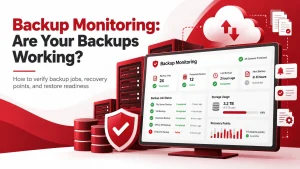
You can’t rely on basic antivirus alone. Endpoint protection and secure backups, especially immutable backups, are more important than ever.
AI Used for Both Good and Bad
AI is now part of cybersecurity tools, helping detect unusual behavior and reduce response times. It saves teams time and effort.
But cybercriminals use AI too. They craft better phishing emails and test malware against AI-driven defenses. Stay alert and don’t over-rely on automation.
Cloud Security Must Evolve
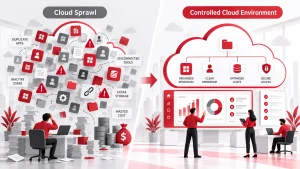
As more businesses shift to hybrid and multi-cloud setups, cloud security becomes more complex. Misconfigured settings are still a major risk.
You need tools that offer visibility and control across platforms. Encryption, access controls, and regular audits help keep cloud data safe.
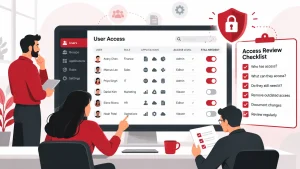
Identity and Access Management (IAM) is a Priority
Password breaches are still common. Businesses now invest in stronger IAM systems like multi-factor authentication and zero-trust models.
Control who can access what, and make sure access is limited to what’s needed. This stops internal and external threats before they spread.
Supply Chain Attacks Are Rising
Attackers now go after your vendors or software providers. If one link is weak, your entire system can be exposed.
Vet your partners carefully. Regular security checks and clear contracts can reduce the risk of third-party breaches.
Cyber Insurance Is Changing
Insurers are tightening requirements. If you don’t have strong controls like backups, IAM, or incident response plans you may not qualify.
Use insurance as a last line of defense, not your only plan. Build resilience first to meet evolving policy standards.
Regulations Are Getting Stricter
From GDPR to NIS2 and the U.S. SEC rules, governments are pushing companies to disclose breaches and protect personal data better.
Compliance isn’t optional anymore. You need clear processes and documentation to avoid fines and legal issues.
Human Error Is Still the Biggest Risk
Phishing and social engineering remain top threats. Even with tools in place, one careless click can open the door to attackers.
Training is key. Teach employees how to spot fake emails, use secure tools, and report suspicious behavior.
Cyber Resilience Is the New Goal
Being “secure” isn’t enough. You need strong cyber resilience—the ability to detect, respond to, and recover from attacks.
This includes incident response plans, backup strategies, and regular testing of your systems and team readiness.
Security Is Now a Board-Level Issue
Cybersecurity is no longer just an IT problem. Leaders are expected to understand the risks and take action.
You need buy-in from the top. When executives support cybersecurity, your entire company benefits from better protection and faster decisions.
Conclusion
Look, when it comes to cybersecurity in 2025, sitting back and waiting for something to happen just isn’t an option anymore. It’s all about getting ahead of the game. Threats are constantly morphing, but thankfully, the tools to fight them are getting smarter too. The key is to stay in the loop, have solid systems in place, make sure your team knows their stuff, and, absolutely crucial, have a clear plan for getting back on your feet if something does go wrong.
That’s precisely where folks like Adivi can really make a difference. Whether you’re just starting to think about your digital defenses or you’re looking to seriously boost what you’ve already got, they’ve got the know-how. Swing by Adivi to see how they can help tailor solutions that truly fit your business and give you that essential peace of mind.
FAQs
What’s the absolute scariest cyber threat right now?
Still ransomware, especially when they manage to hit your backups. Imagine your entire business frozen solid, that’s the nightmare we’re trying to avoid by protecting those backup copies.
How are hackers using AI?
They’re using it to be super-sneaky! Think of AI crafting phishing emails so perfect they could fool anyone, or testing their bad software until it knows exactly how to sneak past your defenses.
Why’s everyone talking about cloud security?
Because so much of our important stuff lives online now. If you accidentally leave a digital “door” open in your cloud settings, it’s an open invitation for trouble.
“Immutable backup” what’s that?
It’s like a special safe for your data that, once saved, cannot be changed or deleted for a set time. It’s your ultimate “undo” button if ransomware hits.
How do I protect against threats from inside my company?
It’s about smart trust. Limit who can access what, watch for weird activity, and teach everyone to spot red flags. It’s really about noticing when something feels off.
“Zero trust” sounds intense. What’s the deal?
It just means “never trust, always verify.” Even if someone’s already inside your network, every single access attempt needs to be double-checked. No free passes.
How often should I train my team on cybersecurity?
At least every three months. Threats change fast, so quick refreshers on new scams and phishing tricks are key to keeping everyone sharp.
Is cyber insurance actually worth it?
Yes, it’s becoming pretty essential. But be warned: insurers will expect you to have decent security in place already, or your premiums will be through the roof!
How do I make my business “cyber resilient”?
It’s about being ready to bounce back. Have a clear plan for what to do if a breach happens, test your backups regularly to make sure they work, and run drills with your team so everyone knows their role.
Will cybersecurity just keep getting more expensive?
Costs are rising, but it’s not just about spending more. It’s about spending smarter. Focusing on the right tools and good planning can keep things efficient, not just pricey.