Data breach prevention means stopping unauthorized access to private or sensitive data before it happens. It includes limiting access, encrypting files, updating systems, and training staff. Whether you run a small business or manage a large enterprise, this isn’t something you can afford to overlook.
The risks are growing, and the fallout is expensive. Think lawsuits, lost customer trust, and fines that can crush your budget.
Now is a good time if you haven’t reviewed your security posture. Look at what you’re doing, ask what you’ve missed, and make data breach prevention part of your everyday operations.
Key Takeaways
- Data breach prevention protects your business from financial loss, legal trouble, and damaged trust.
- Common threats include external attacks, insider misuse, and weak third-party security.
- Strong access controls, encryption, and regular software updates are essential.
- Employee training and real-time monitoring reduce human error and help catch issues early.
- Prevention requires consistency. Review your systems often and stay current with new threats.
Why Data Breach Prevention Matters Today More Than Ever
Data breaches are happening more often, and their impact is growing. Many companies don’t realize they’ve been breached until long after the damage is done. These incidents can disrupt business operations, damage reputation, and take years to recover from fully.
Recent events have shown how serious the consequences can be. A software vulnerability exposed sensitive information in banks, schools, and government agencies worldwide. In another case, a major genetics company had user data leaked due to weak account protection, including health and ancestry details.
The fallout isn’t just technical. Companies can lose trust, customers, and even the ability to function. That’s why stopping breaches before they happen has become a top priority—not just for IT teams, but for leadership across every industry.
Types of Data Breaches Companies Must Guard Against
a. External Attacks
Hackers exploit software flaws and weak passwords or send phishing emails to steal login credentials. Ransomware attacks, which lock systems and demand payment, are often the most damaging.
b. Insider Threats
Employees can leak data either intentionally or by mistake. Sometimes it’s a former employee with leftover access. Other times, someone shares files without checking permissions. Weak access control increases the risk.
c. Physical Theft
Laptops can be stolen. USBs go missing. Printed reports left on desks may end up in the wrong hands. Without encryption or secure storage, sensitive data is exposed.
d. Third-Party Breaches
Even if your system is secure, a vendor’s system may not be. Payment processors, SaaS tools, and contractors can introduce vulnerabilities. If you share data with them, their breach becomes your problem.
Top Data Breach Prevention Strategies That Work

Implement Strong Access Controls
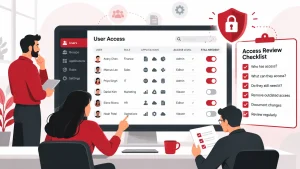
Limit access based on job role. Follow the least privilege principle. Give employees only what they need.
Use Multi-Factor Authentication (MFA)
MFA adds another layer of security. Even if someone has the password, they still need a second factor, such as a code or app verification.
Encrypt All Sensitive Data
Encryption makes stolen data unreadable. Apply it to stored data and any data being transferred between systems.
Secure Your Endpoints and Networks
Professional cybersecurity services can help businesses secure endpoints and networks through firewalls, antivirus protection, device management, and threat monitoring.
Regular Software Patching and Updates
Outdated systems are easy targets. Hackers exploit known flaws quickly. Always install updates on time.
Monitor and Audit Data Activity
Track user logins and file access. Watch for unusual activity, such as large downloads or off-hours logins, and act on those alerts immediately.
The Role of Employee Training in Data Breach Prevention
Many security breaches start with everyday actions. A team member clicks on a fake email, or someone uses the same weak password across multiple accounts. These small missteps can lead to serious problems.
Training helps reduce those risks. When employees learn to recognize phishing emails, use stronger passwords, and avoid risky behaviors like plugging in unknown USB devices or public Wi-Fi, they’re less likely to be caught off guard.
No training is foolproof. But the more informed your team is, the harder it becomes for attackers to succeed. Awareness creates a stronger first line of defense.
Compliance Standards That Support Data Breach Prevention
a. GDPR
The General Data Protection Regulation (GDPR) applies to any business handling personal data from EU residents. It requires transparency, data protection practices, and strict reporting processes. Non-compliance can result in fines as high as €20 million or up to 4 % of the company’s global turnover, whichever is higher.
b. HIPAA
The U.S. Health Insurance Portability and Accountability Act (HIPAA) applies to healthcare providers and business associates. It sets rules for protecting patient data, tracking system access, and reporting breaches within one to two months of discovery.
c. ISO/IEC 27001 and SOC 2
ISO/IEC 27001 defines a formal framework for managing an organization’s information security. It sets requirements for creating and maintaining an Information Security Management System (ISMS)
SOC 2 focuses on verifying that controls are in place to protect customer data, using Trust Service Criteria. SaaS and tech companies in North America often require it.
Tools and Technologies for Effective Data Breach Prevention
Security Information and Event Management (SIEM)
SIEM systems collect logs, correlate events, and generate alerts to detect threats early. They help IT teams monitor systems in real time and respond quickly to potential breaches.
Endpoint Detection and Response (EDR)
EDR tools continuously monitor endpoints for suspicious activity. They enable automatic threat detection, device isolation, and faster attack containment.
Data Loss Prevention (DLP)
DLP technologies track the movement of sensitive data within and outside your network. They enforce policies to prevent unauthorized data transfers and reduce exposure risk.
Backup and Recovery
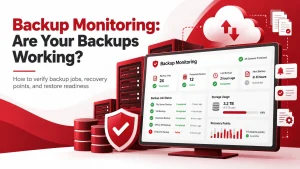
Data backup and disaster recovery services help ensure critical information is preserved, recoverable, and available following a breach.
How to Build a Culture of Data Security in the Workplace
Security is a shared responsibility. Everyone has a role.
Executives should model safe practices. HR should include security in training and onboarding. Legal should review third-party contracts for proper security language.
Reward good habits. Recognize employees who complete training and report phishing attempts. Make security part of your company’s values.
What to Do If a Data Breach Happens Despite Prevention Efforts
No system is perfect. Breaches can still happen. Be prepared.
- Contain the threat as soon as possible.
- Notify internal teams and anyone affected.
- Investigate what happened, what was accessed, and how.
- Follow all regulatory requirements. Some laws require notice within 72 hours.
- Communicate clearly with customers, regulators, and staff.
Have a written response plan. Test it through simulations. Make sure everyone knows their role.
Future Trends in Data Breach Prevention
AI is playing a growing role in security. Modern systems can detect unusual behavior, like a login from one country followed closely by another from a different location. These tools learn standard user patterns and raise alerts when something looks wrong.
The Zero Trust model is also gaining traction. This approach assumes no user or device is trusted by default. It verifies identity, limits access, and continuously monitors activity.
Cloud-native security is another significant trend. It’s built for cloud environments and supports remote teams by protecting services, applications, and devices across multiple platforms.
Conclusion
Data breach prevention is not a checklist you complete once. It requires constant attention, regular updates, and clear accountability across your organization. The tools and strategies you use today may not be enough tomorrow, so regular audits, employee training, and system monitoring are important.
No company is too small to be targeted. Whether it’s phishing, ransomware, or third-party exposure, the consequences of a breach can reach far beyond financial loss. Reputational damage, legal penalties, and operational disruptions can last for years.
The most effective approach combines strong technology, practical processes, and a culture that treats data security as everyone’s responsibility. Make sure your business is prepared, not just reactive.
If you’re ready to strengthen your defense with expert support, explore how Adivi can help.
FAQs
How does encryption protect against breaches?
Encryption scrambles data, making it unreadable without the correct key. If a hacker steals encrypted files, they cannot use them.
What’s the best type of encryption for data in transit?
TLS, or Transport Layer Security, is the standard for protecting web traffic, emails, and file transfers.
Do VPNs count as encryption?
Yes. VPNs encrypt your internet connection. This makes it harder for outsiders to intercept your data.
Should small businesses invest in encryption?
Yes. Small businesses are often easier targets. Encryption helps protect customer and internal data.
What’s more important: encryption or firewalls?
Both are critical. Firewalls stop intrusions. Encryption protects your data if a breach still occurs.