Cyber resilience is keeping your systems running during and after a cyberattack. It means you’re not just trying to stop threats but also ready to respond quickly if one slips through.
Ransomware, phishing, and long periods of downtime are now standard. These threats don’t just affect large corporations. Small and mid-sized companies are just as vulnerable, sometimes even more, because they often lack strong protection. If you depend on cloud tools, mobile devices, or digital customer service, you’re exposed. One wrong click or software bug can freeze your operations, damage your reputation, or lead to legal trouble.
Most cyberattacks can’t be predicted. That’s why the ability to respond and recover is just as important as the ability to defend.
This guide will explain cyber resilience, how it works, and how you can build it into your business. You’ll see how real companies stayed afloat during attacks—and how you can too.
If keeping your business operational through any cyber threat matters to you, begin by understanding and applying cyber resilience here.
What Is Cyber Resilience?
Cyber resilience is preparing for, responding to, and recovering from a cyberattack. It’s not just about stopping threats. It’s about how quickly you bounce back and how little damage you take.
It includes four key parts:
- Prevention: Blocking as many attacks as possible
- Detection: Spotting attacks early before they spread
- Response: Acting quickly and effectively when something goes wrong
- Recovery: Getting back to normal operations with as little downtime as possible
Cybersecurity and cyber resilience work together. Think of cybersecurity as your locked doors and alarm system. Cyber resilience is your emergency exit plan and insurance policy. If something breaks in, you don’t just panic. You respond with a plan.
Why Cyber Resilience Is More Important Than Ever
The number of cyberattacks is growing every year. Businesses are seeing more complex threats and fewer safe zones. According to IBM, the average cost of a data breach in 2023 was $4.45 million. For smaller companies, this kind of hit could be fatal.
Downtime is another hidden cost. Every minute your systems are down, you lose money, productivity, and customer trust. Some businesses never fully recover.
The rise of remote work and cloud apps also increases your exposure. Staff may work from unsecured networks, storing data across different platforms. Each access point becomes a potential weak spot.
Without a cyber resilience plan, you’re relying on luck. And in today’s world, that’s not enough.
Core Pillars of a Cyber Resilience Strategy
Risk Management
Identify your most significant digital risks, then use professional cybersecurity services to assess vulnerabilities and strengthen your defenses. Understand the threats that matter most to your operations. A solid risk framework helps prioritize which systems need the most protection and which threats deserve attention.
Incident Response
A defined plan helps you act fast. Map out roles, communication steps, and which systems to isolate first. The goal is to reduce damage quickly and regain control.
Business Continuity
Keep operations running through the disruption. This might mean switching to offline methods, using alternate suppliers, or restoring access from a backup site. Planning reduces panic and keeps services available.
Data Security and Privacy
Control who can access what. Store sensitive data safely. Use encryption, strong passwords, and user-level access controls to reduce internal and external risks.
Training and Awareness
Most breaches begin with human error. Regular training helps staff recognize phishing emails, risky downloads, and data misuse. Keep it simple and repeat often.
Governance
Set clear rules for how your company handles cyber threats. Ensure everyone, from leadership to interns, knows their role in maintaining resilience.
Logging and Monitoring
Use managed IT services to monitor systems continuously and automate alerts for unusual activity so your team can respond before an issue spreads.
Regulatory Compliance
Laws change fast. Stay aligned with standards like GDPR, HIPAA, or ISO 27001. These guidelines help you build good habits and avoid penalties.
Access Control and Least Privilege Principle
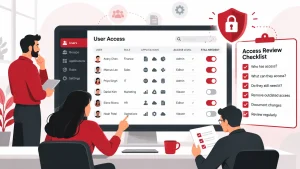
Give people only the access they need to do their jobs. This limits damage if accounts are compromised. Use permission tiers and multi-factor authentication.
Continuous Improvement
Cyber threats evolve, and your plan should, too. Review what worked and what didn’t regularly, and use incident reports and employee feedback to strengthen your approach.
Cyber Resilience vs. Cybersecurity: What’s the Difference?
Cybersecurity is about blocking attacks, and cyber resilience is about surviving them. Both are important, but resilience goes further.
You could have the best firewall in the world, but you’re still at risk if someone uses a stolen password or tricks an employee. Resilience means your business doesn’t collapse just because someone got through.
Think of a company that gets hit by a ransomware attack. Their data is locked, and their website goes down. However, they restore everything within hours because they backed up their data and had a response plan. That’s cyber resilience at work.
The best approach is to combine both. Secure your systems, but plan for what happens if those systems fail.
How to Build Cyber Resilience in Your Business
If you’re not sure where to begin, start with these basic actions:
- Cyber Insurance: This covers losses during attacks and helps you get support fast.
- Zero-Trust Security: Assume no user or device is safe. Always verify.
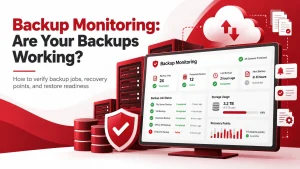
- Backups and Testing: Reliable data backup and recovery services protect critical information and confirm that it can be restored under pressure.
- Multi-Factor Authentication: One of the simplest ways to stop unauthorized access.
- Training: People make mistakes. Train them to spot threats and act fast.
- Monitoring Tools: Set up alerts that notify you when something unusual happens.
The Role of Leadership in Strengthening Cyber Resilience
Cyber resilience needs direction from the top. Your leadership team must understand it’s a business issue, not just an IT task.
Start by aligning resilience goals with your broader business goals. If customer trust matters, data protection should be a priority. If uptime is critical, you need quick recovery systems.
CIOs and CEOs must regularly review risks, track updates, and fund improvements. If it’s not on the board agenda, it’s not a priority—and that’s dangerous.
How Regulations Are Shaping the Future of Cyber Resilience
Regulations are now pushing companies to act faster and smarter.
In Europe, GDPR and NIS2 require transparent processes for handling data breaches. In the US, HIPAA sets strict rules for patient data. ISO 27001 is an international standard for information security management.
These frameworks reduce risk but force businesses to consider data, response times, and reporting. Many companies now invest in cyber resilience just to stay compliant.
Tools and Technologies That Enhance Cyber Resilience
The right tools can help you build strong habits and reduce human error.
- EDR tracks user activity and spots threats in real time, while managed detection and response adds expert monitoring and response support.
- Automated Backups: Keeps multiple copies of your data in different places
- SIEM Tools: Collects and analyzes system logs to spot unusual behavior
- Incident Response Platforms: Give you checklists and workflows to follow during a breach
These tools aren’t just for large enterprises. Many of them are affordable and easy to use.
Conclusion
You can’t stop every cyberattack, but you can be ready for one.
Cyber resilience helps your business stay online, protect data, and rebuild fast. It doesn’t require a complete overhaul. Simple changes, like training your team, backing up data, and improving access controls, can make a real difference.
Adivi helps businesses build resilience through planning, monitoring, and cybersecurity incident response. Their experts work with your team to spot risks, close gaps, and support long-term improvements. Whether you’re just getting started or need help refining what you already have, Adivi offers solutions that fit your environment and your goals.
Ready to strengthen your cyber resilience? Partner with Adivi to assess your current systems, close security gaps, and build a strategy that keeps your business running no matter the threat.
FAQs
Will encryption slow down my network?
Only slightly. Most systems are built to handle encryption without affecting performance.
Can small businesses benefit from cyber resilience?
Yes. Attacks hit small businesses often. Resilience helps you recover without significant loss.
Is multi-factor authentication effective?
Yes. It stops most unauthorized access attempts.
What’s the difference between backup and disaster recovery?
Backup stores your data. Disaster recovery helps you get systems running after an attack.
How often should we review our cyber resilience plan?
Review it once a year, or whenever you change systems or have a security incident.