In today’s digital-first business environment, even a short IT outage can lead to lost revenue, frustrated clients, and damaged reputation. IT redundancy solutions ensure your critical systems remain operational, even in the event of hardware failures, cyberattacks, or network interruptions.
By implementing advanced IT redundancy solutions and strategies, businesses can maintain continuous operations, protect data, and reduce downtime.
Key Takeaways
- Ensure your operations continue without interruptions.
- Backup and replication safeguard sensitive information from loss.
- Redundancy helps meet industry standards for uptime and disaster recovery.
- Redundant infrastructure automatically kicks in during failures.
- Reliable IT systems maintain customer trust and operational efficiency.
What is IT Redundancy?
IT redundancy involves creating backup systems, infrastructure, or processes that automatically take over when primary systems fail. This can include redundant servers, network paths, storage solutions, and cloud-based backups.
The goal is to maintain continuity with IT redundancy solutions for continuous business operations.
Why Your Business Needs IT Redundancy Solutions
Minimize Downtime
Redundant systems ensure critical services continue running without interruption.
Protect Data and Operations
Prevent data loss during hardware failures, power outages, or cyber incidents.
Maintain Customer Trust
Continuous availability ensures clients experience reliable services, strengthening trust and loyalty.
Compliance and Risk Management
Many industries require uptime guarantees and disaster recovery planning to meet regulatory standards.
Scalable and Cost-Effective
Advanced redundancy solutions can scale with your business, offering long-term cost savings by avoiding lost productivity and emergency IT costs.
Key Features of Advanced IT Redundancy Solutions
- Failover Systems: Automatic switching to backup servers or networks in case of failure.
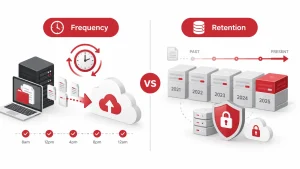
- Data Replication & Backups: Real-time or near-real-time duplication of critical data to prevent loss.
- Network Redundancy: Multiple internet connections and routes to ensure connectivity.
- Power Redundancy: Uninterruptible power supplies (UPS) and backup generators for critical systems.
- Cloud and Hybrid Solutions: Combining on-premises and cloud infrastructure for maximum reliability.
Benefits to Your Business
- Uninterrupted operations, even during system failures
- Enhanced reputation and customer confidence
- Reduced risk of revenue loss
- Simplified disaster recovery planning
- Peace of mind knowing business-critical systems are protected
Conclusion
Advanced IT redundancy solutions provide the safety net your organization needs, ensuring critical systems remain operational even during hardware failures, network outages, or unexpected disruptions. By investing in redundancy strategies such as failover systems, data replication, network backups, and cloud solutions businesses can minimize downtime, protect valuable data, maintain customer trust, and meet compliance requirements.
Partnering with IT experts to implement and manage these solutions allows you to focus on growth and innovation, confident that your operations are secure and resilient. In short, IT redundancy is not just a technical upgrade it’s a strategic investment in your business continuity and long-term success.
Learn more with Adivi and find great quality of IT sevices. Contact us now!
FAQs
What types of IT redundancy solutions are available?
Common solutions include redundant servers, network paths, storage, cloud backups, and power systems such as UPS and generators.
How does IT redundancy reduce downtime
Redundant systems automatically take over when primary systems fail, preventing interruptions to business operations.
Is IT redundancy expensive to implement
While there is an upfront investment, redundancy solutions are cost-effective in the long run by preventing revenue loss, productivity downtime, and emergency IT costs.
Can small businesses benefit from IT redundancy?
Yes. Even small businesses can implement scalable redundancy solutions like cloud backups or hybrid systems to ensure continuous operations.
How often should redundant systems be tested?
Regular testing is critical monthly or quarterly failover tests help ensure systems work as intended during actual failures.